Pelvic Pain
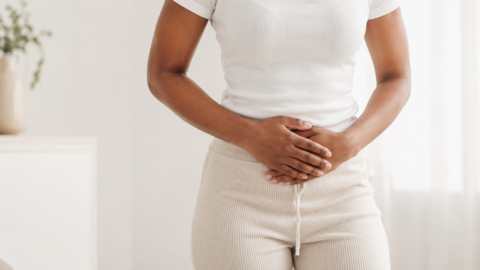
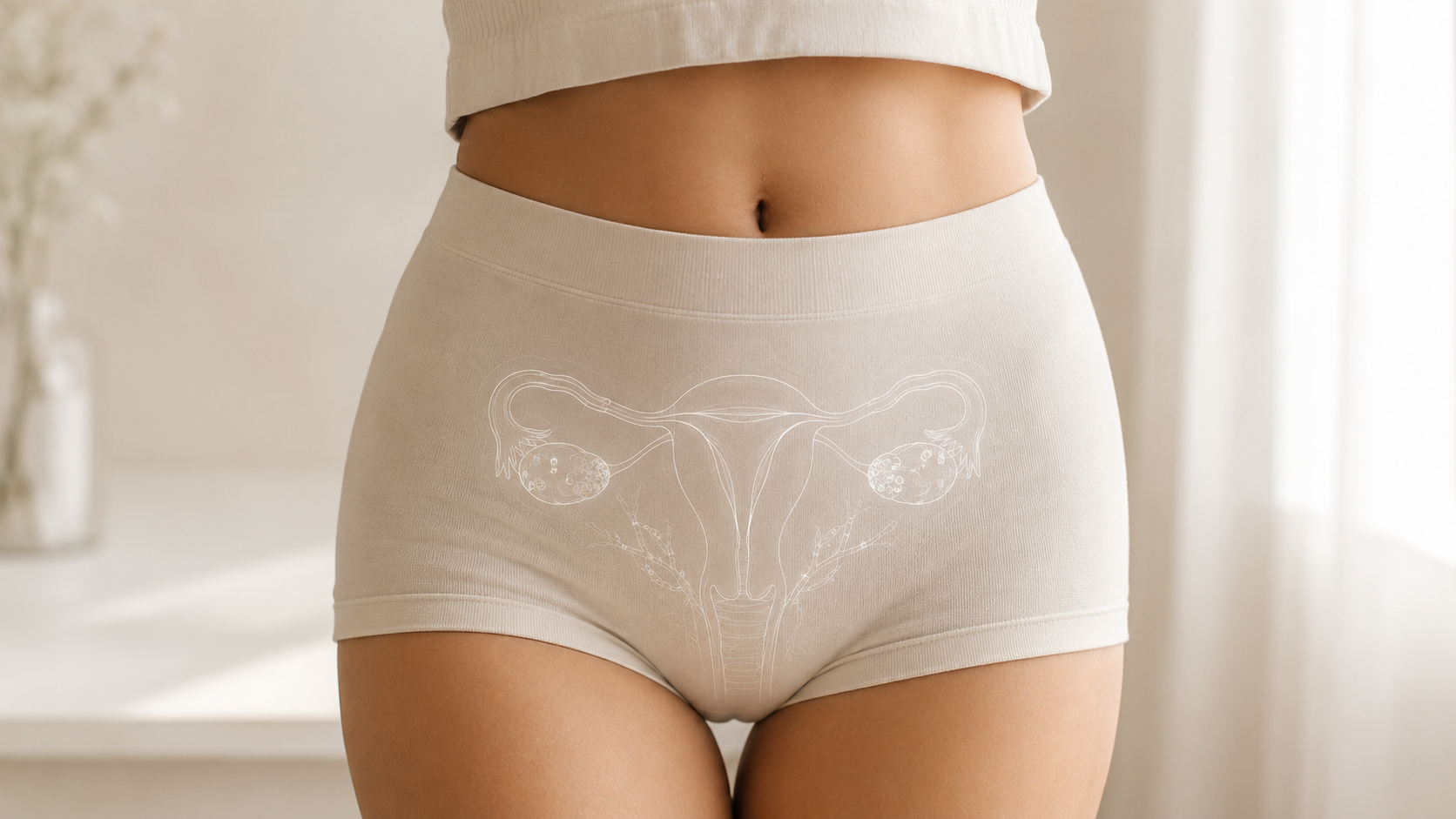
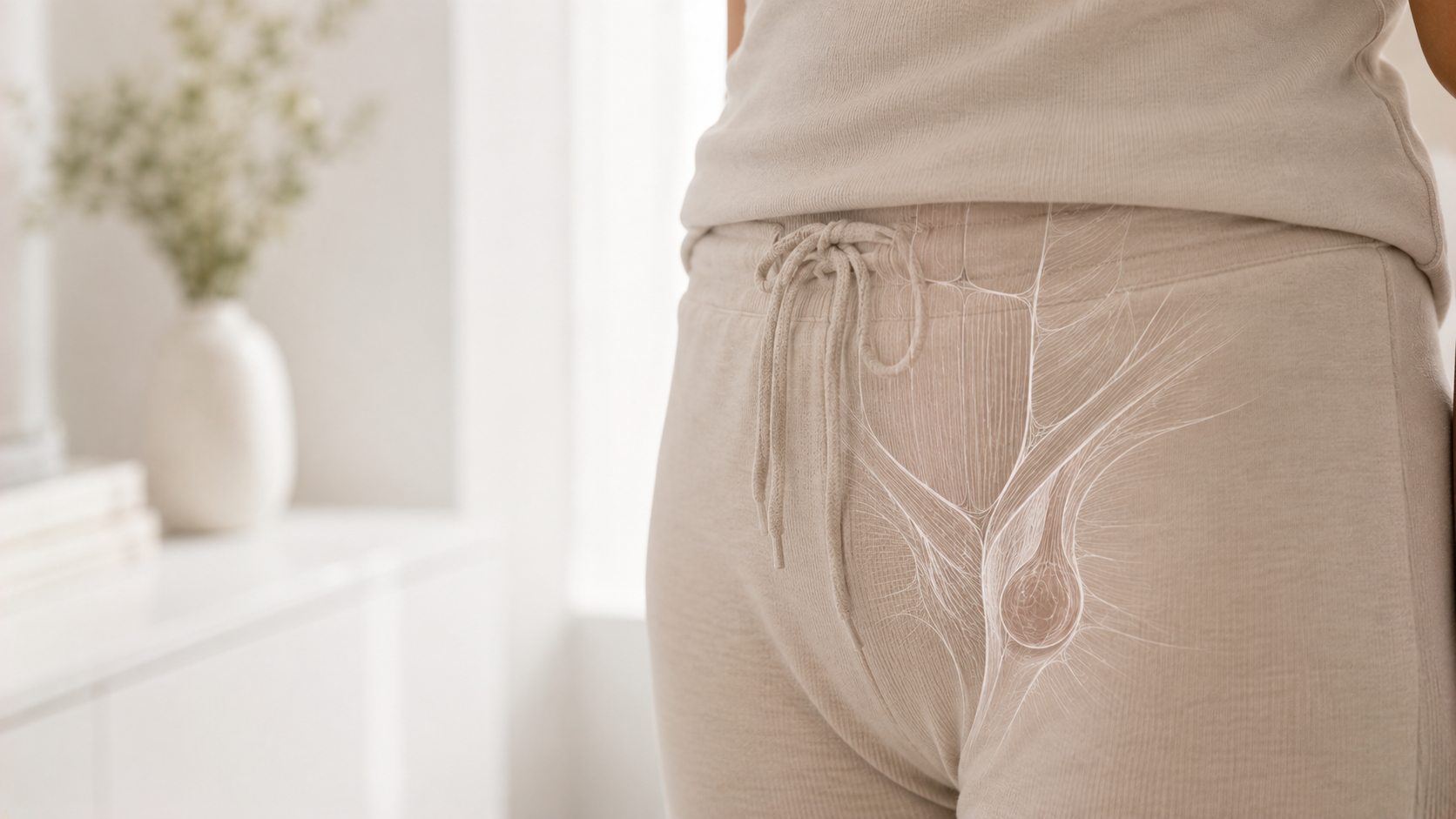
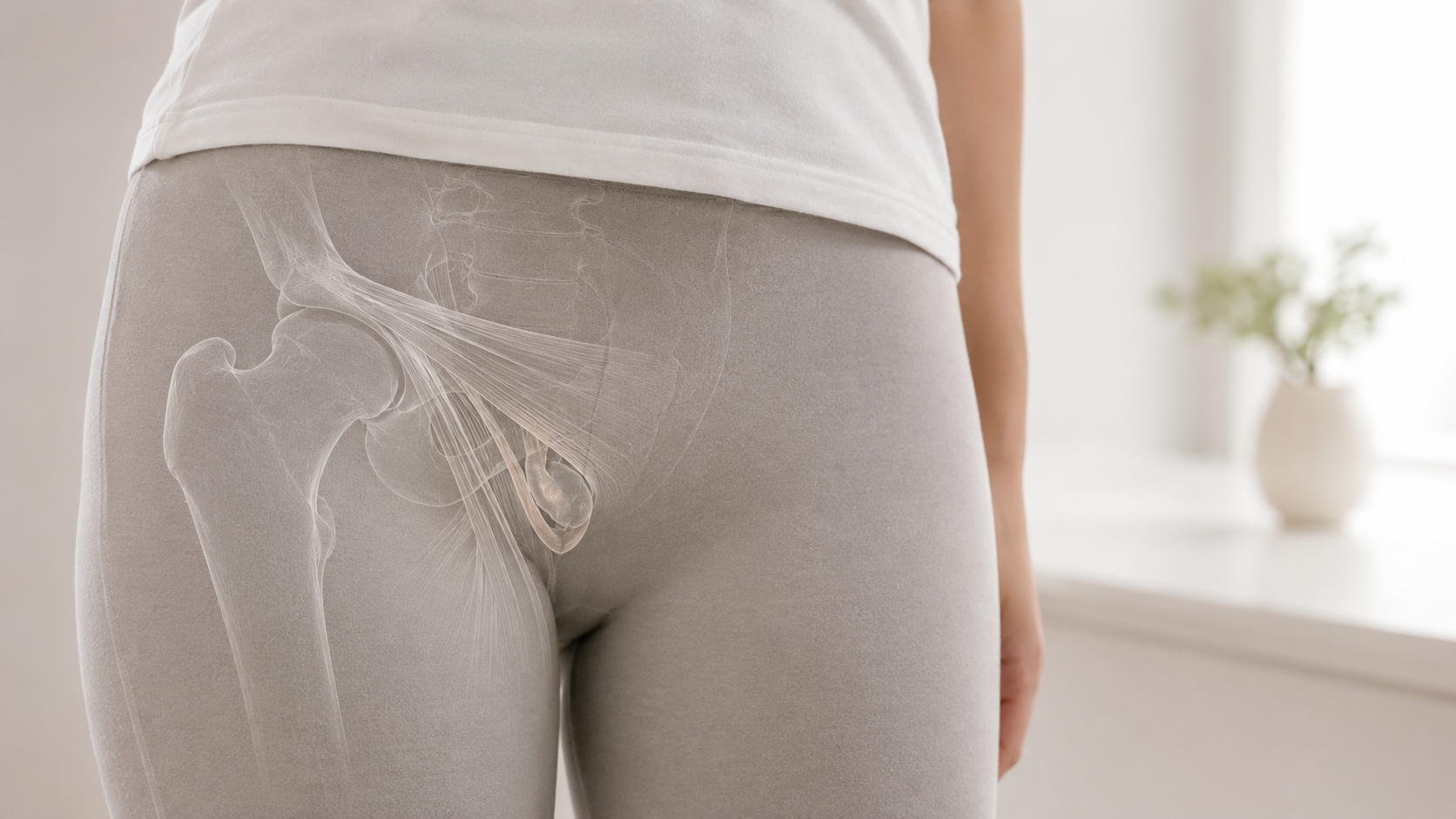
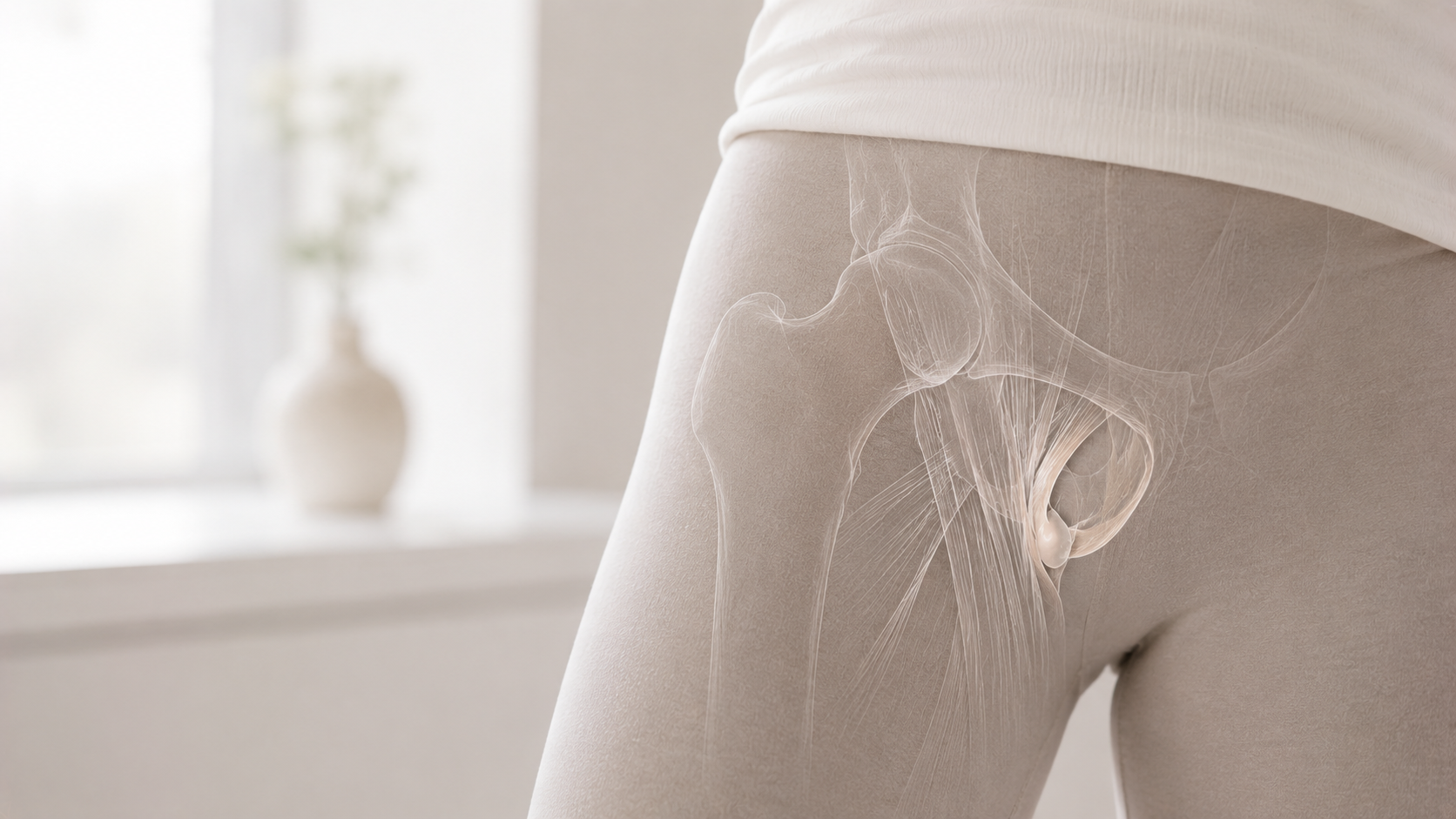
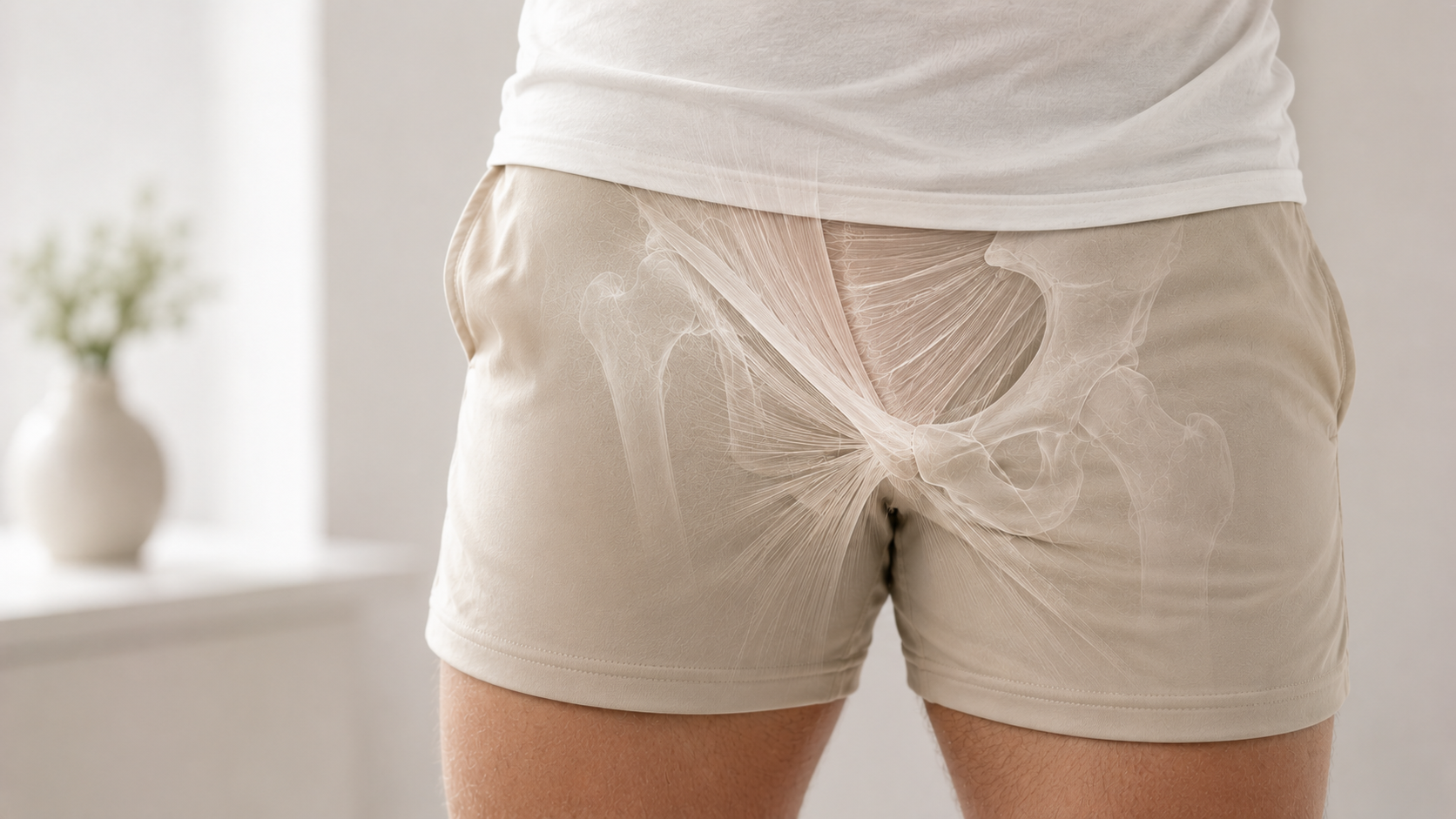
Pelvic pain is rarely simple. The pelvis is an area where multiple systems overlap, including the reproductive organs, bladder, bowel, pelvic floor muscles, nerves, blood vessels, hips, sacroiliac joints, spine, abdominal wall, connective tissues, and central nervous system.
For some patients, pelvic pain begins after a clear event, such as surgery, injury, childbirth, infection, flare of endometriosis, hernia, hip injury, or abdominal procedure. For others, symptoms develop gradually and may become difficult to explain. Pain may be felt in the lower abdomen, groin, pelvis, rectal area, genitals, tailbone, hips, low back, or inner thighs.
Pelvic Pain as a Symptom, Not One Diagnosis
Pelvic pain is a symptom pattern. It does not automatically point to one cause. Some patients have pain driven mainly by pelvic floor muscle overactivity. Others have nerve irritation, hip pathology, sacroiliac joint dysfunction, endometriosis, fibroids, abdominal wall pain, hernia-related pain, bowel or bladder contributors, autoimmune or inflammatory overlap, hypermobility, or central pain sensitization.
Many patients have more than one driver. This is why MPM begins with source-finding rather than assuming that pelvic pain is only gynecologic, only muscular, only nerve-related, or only psychological.
Pelvic Floor Dysfunction and Pelvic Muscle Pain
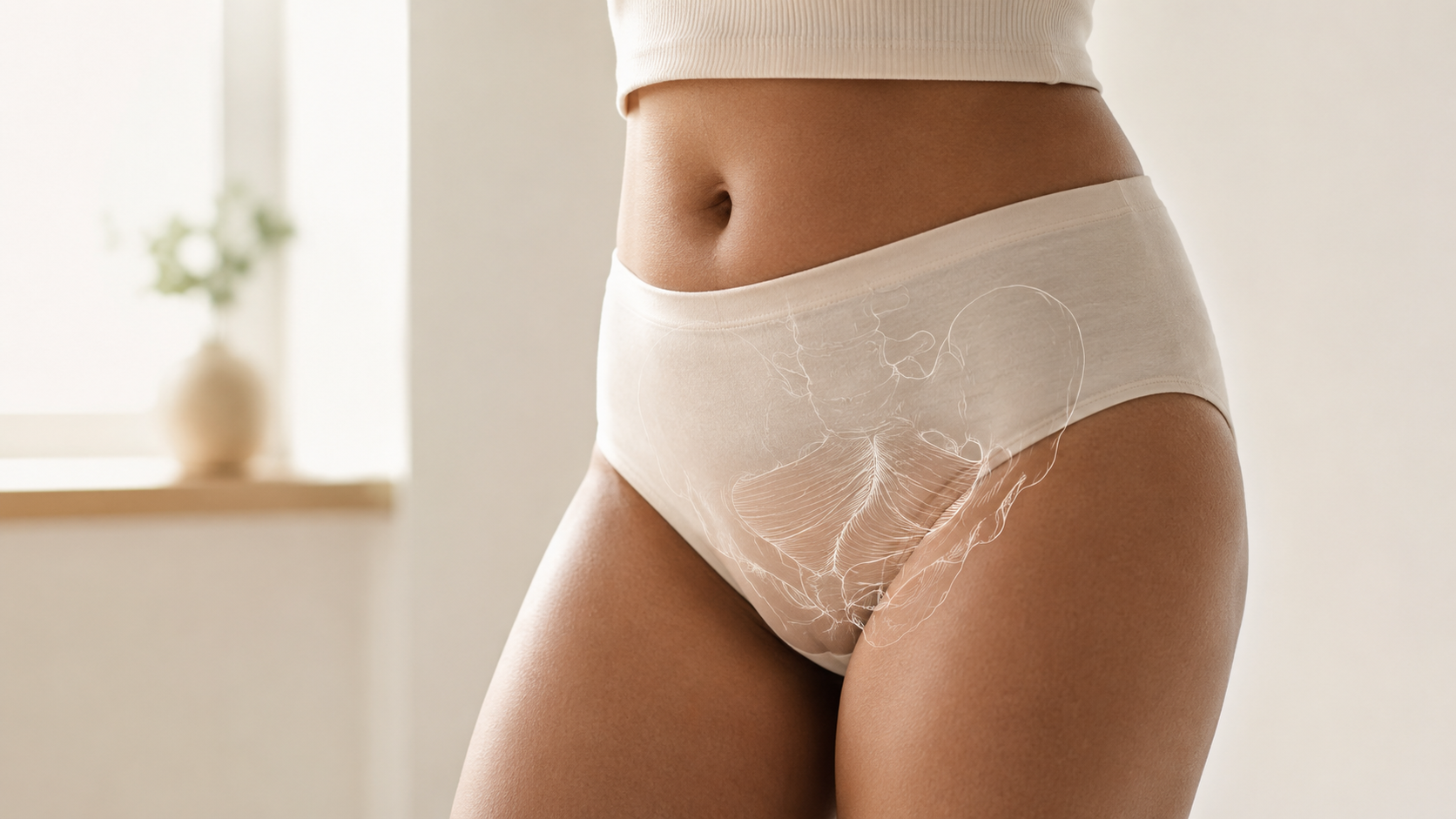
The pelvic floor is a group of muscles that supports pelvic organs and helps coordinate bladder, bowel, sexual, and core function. Pelvic floor dysfunction can occur when these muscles are too tight, too weak, overactive, underactive, or poorly coordinated.
Pelvic floor dysfunction may cause pelvic pain, pressure, pain with sitting, pain with sex, urinary urgency, constipation, bowel symptoms, rectal pain, tailbone pain, or a feeling of muscle tightness that does not release. Some patients experience pelvic floor guarding after injury, surgery, endometriosis, infection, trauma, hip pain, nerve pain, or chronic stress physiology.
MPM evaluates pelvic floor dysfunction in context and may coordinate with pelvic floor physical therapy, gynecology, urology, GI, pain psychology, and other clinicians when needed.
Pudendal Neuralgia and Pelvic Nerve Pain
Pelvic pain can be nerve-related. Pudendal neuralgia is one possible pelvic nerve pain pattern that may cause pain in the perineum, genitals, rectal area, or pelvic floor region. Pain may worsen with sitting and improve when standing or lying down, although patterns vary by patient.
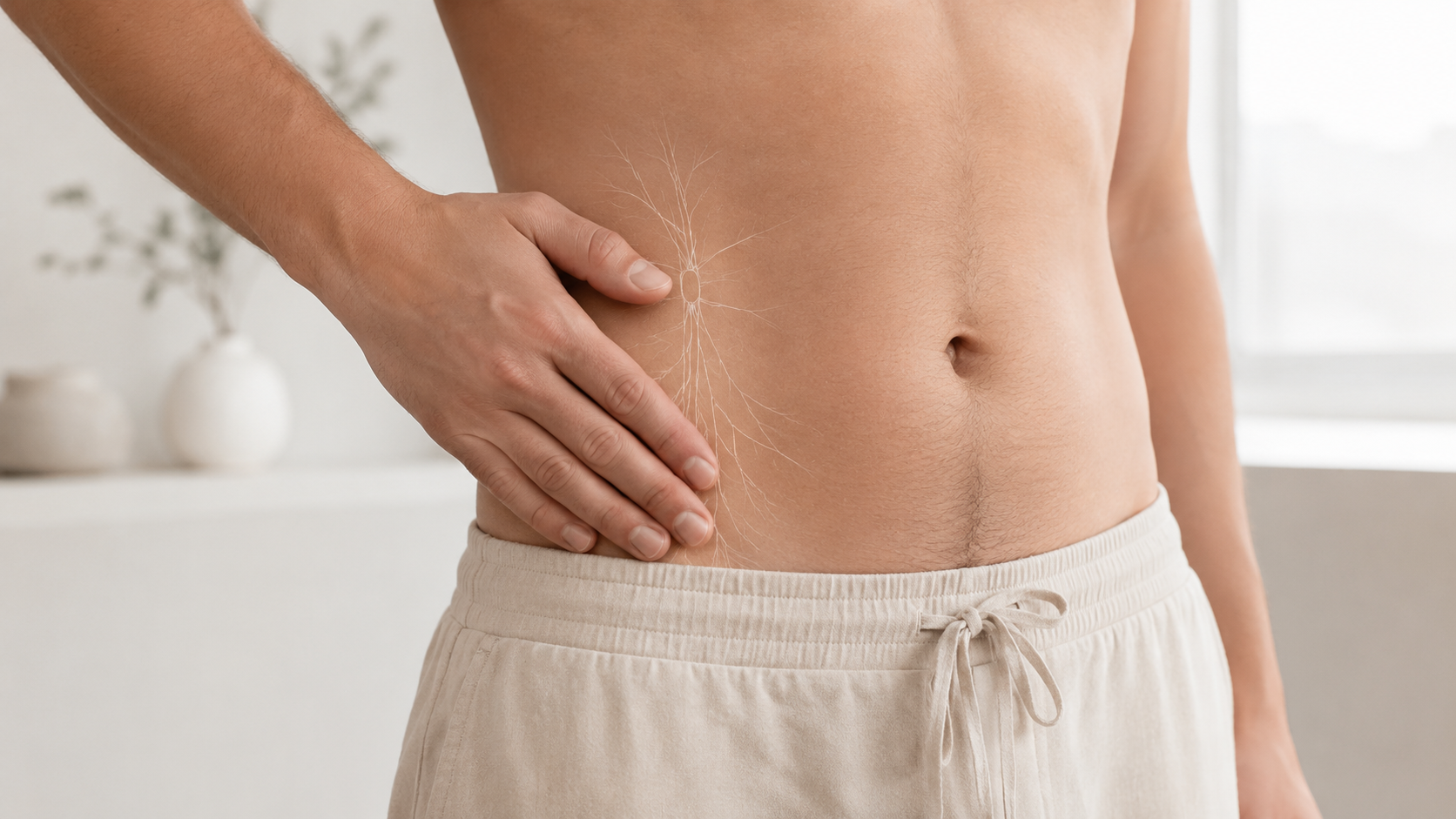
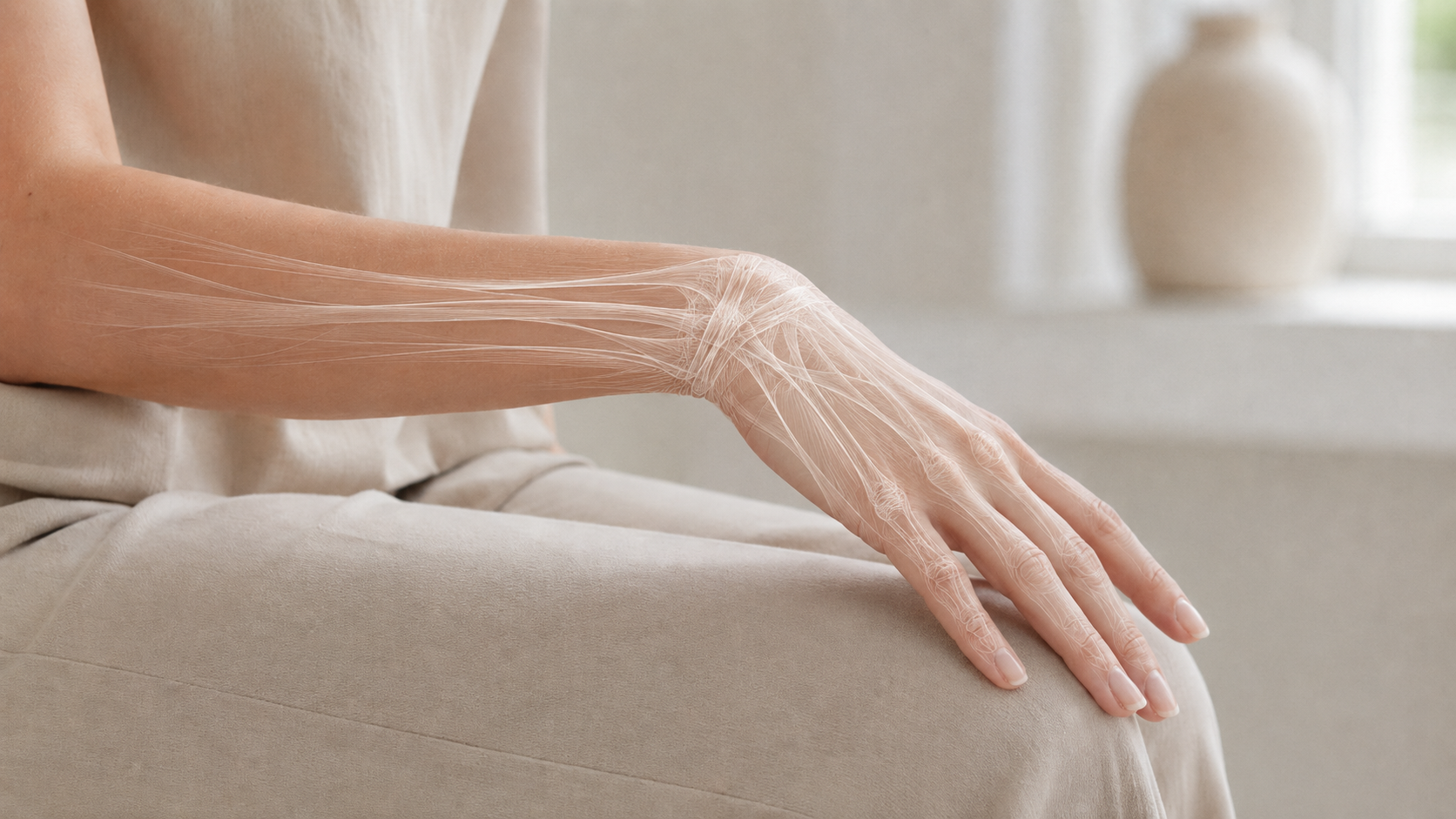
Other pelvic nerve pain patterns may involve abdominal wall nerves, ilioinguinal or iliohypogastric pathways, genitofemoral nerve irritation, scar-related nerve pain, sacral nerve irritation, or sympathetically mediated pelvic pain.
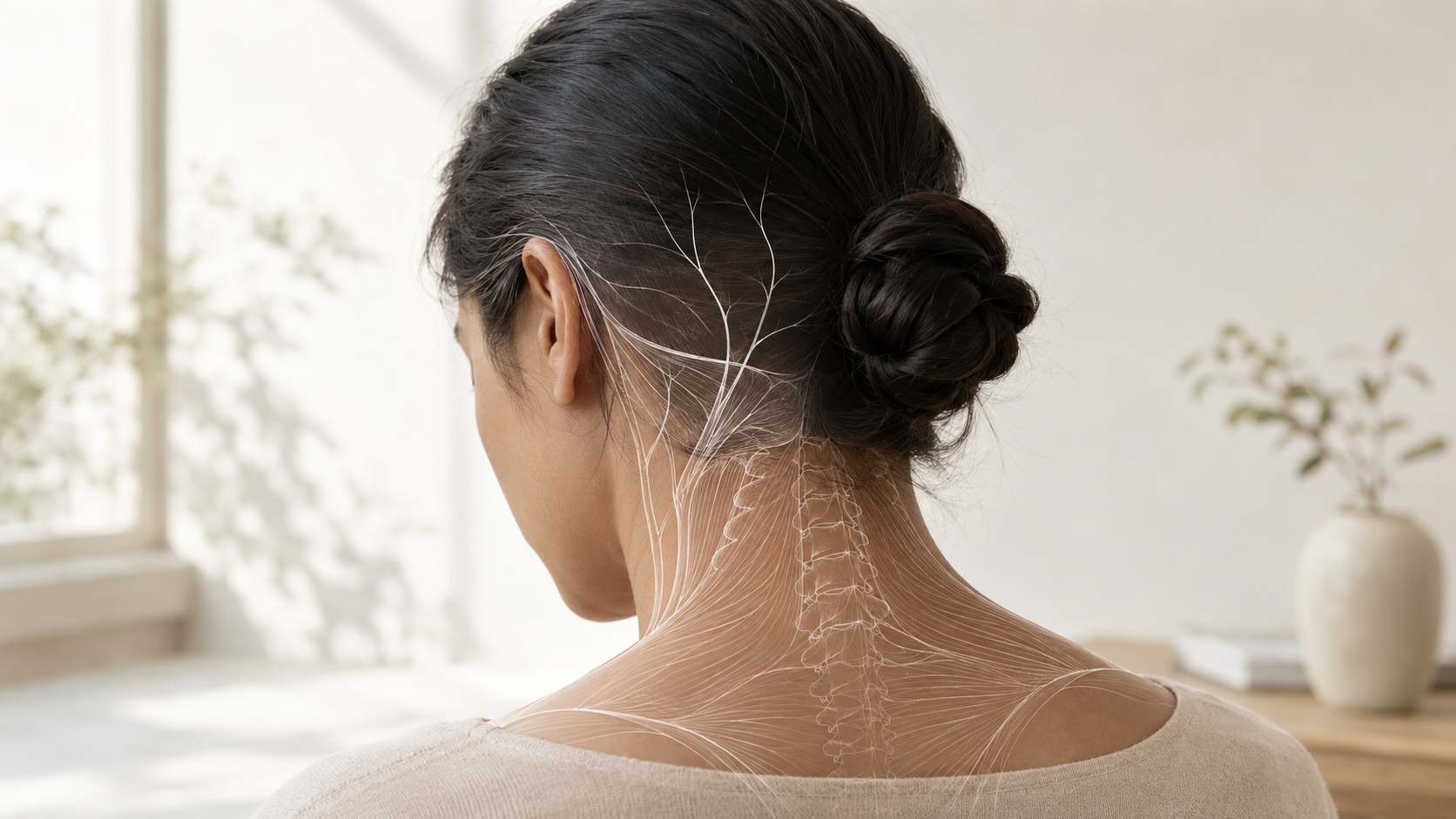
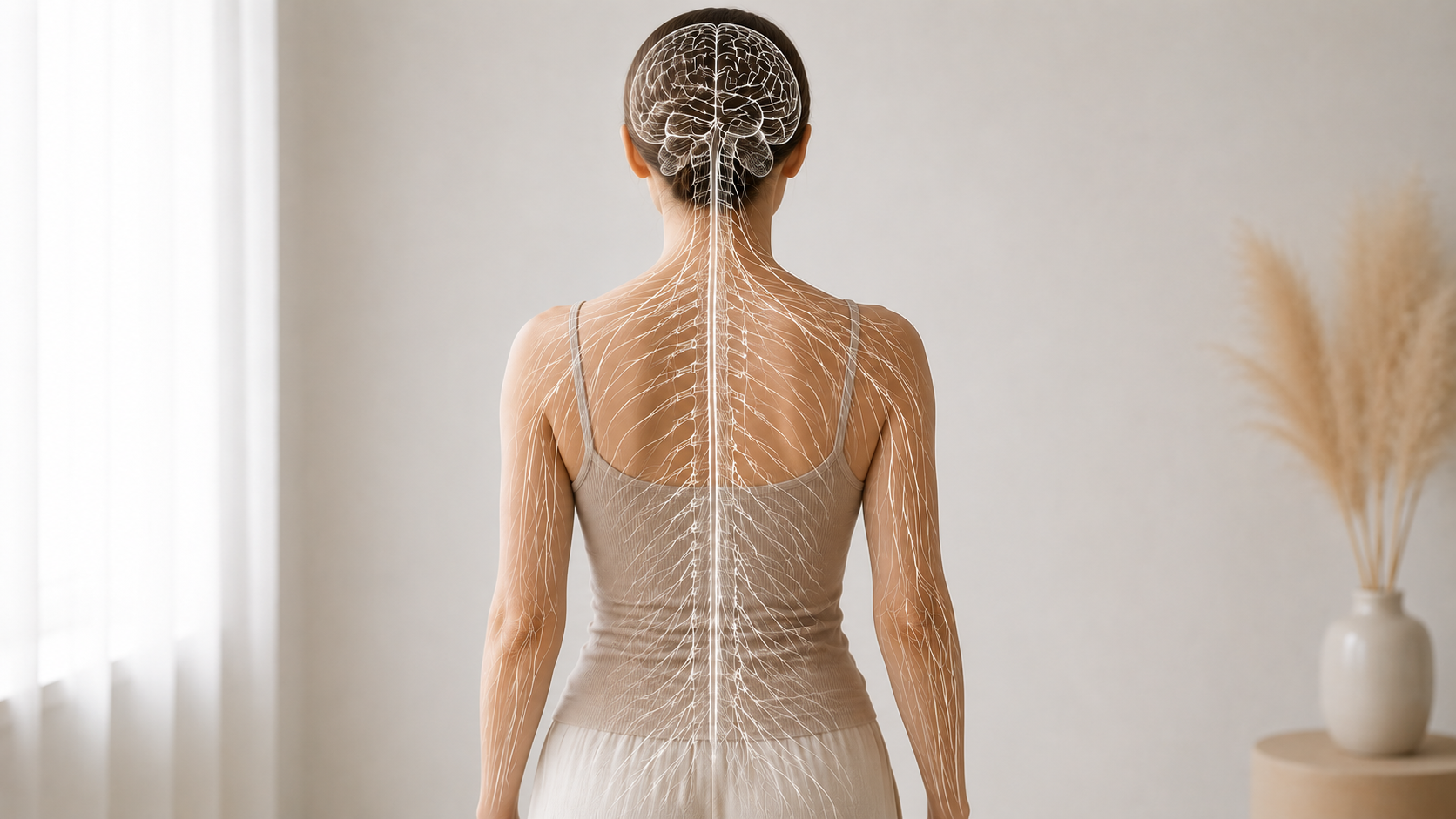
Nerve-related pain may feel burning, electric, sharp, shooting, tingling, numb, hypersensitive, or deep and difficult to localize. MPM evaluates the pain distribution, triggers, prior procedures, neurologic symptoms, pelvic floor findings, hip and spine mechanics, and prior treatment response to determine whether nerve-targeted care may be appropriate.
Hip, SI Joint, and Musculoskeletal Sources of Pelvic Pain
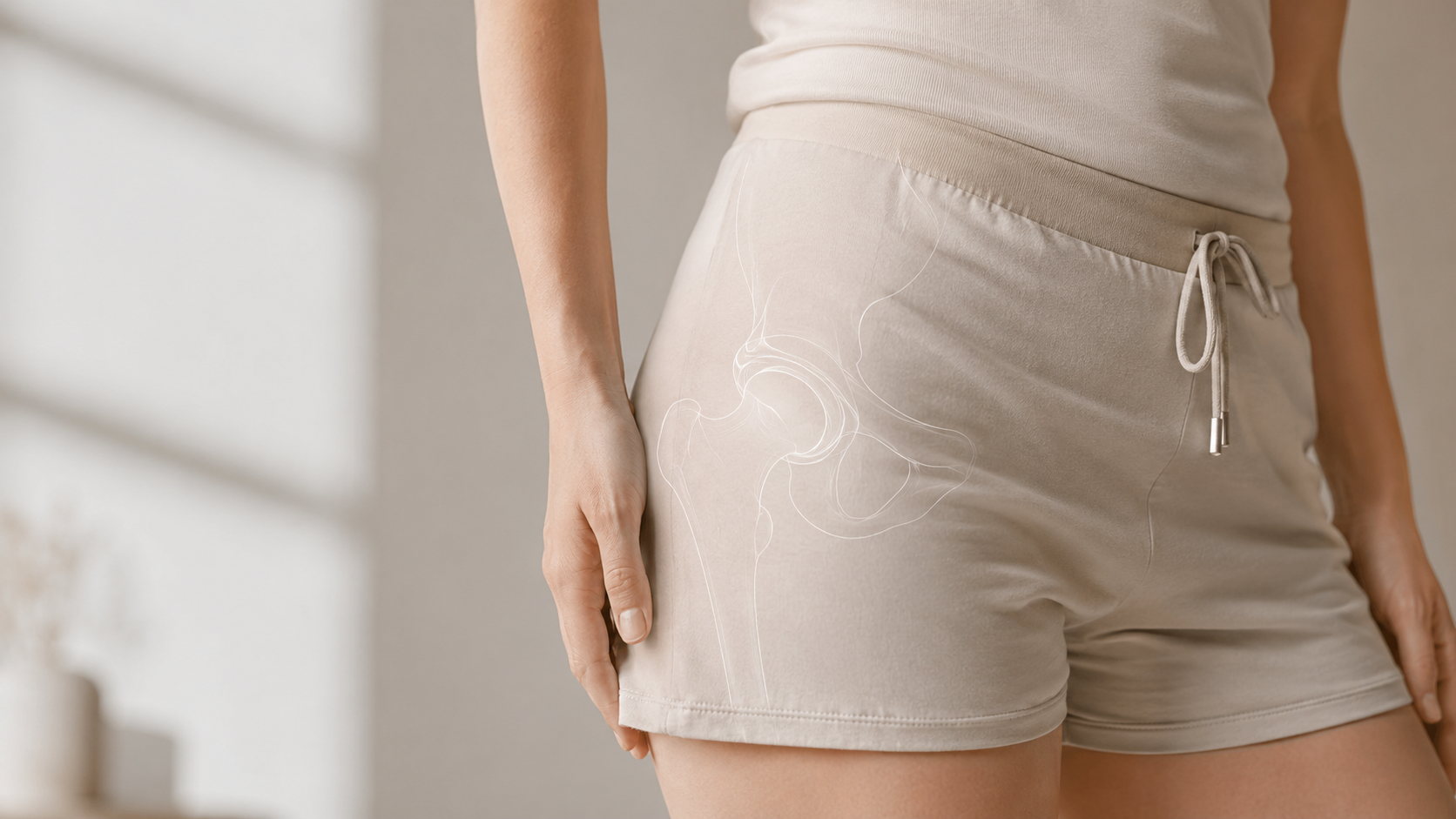
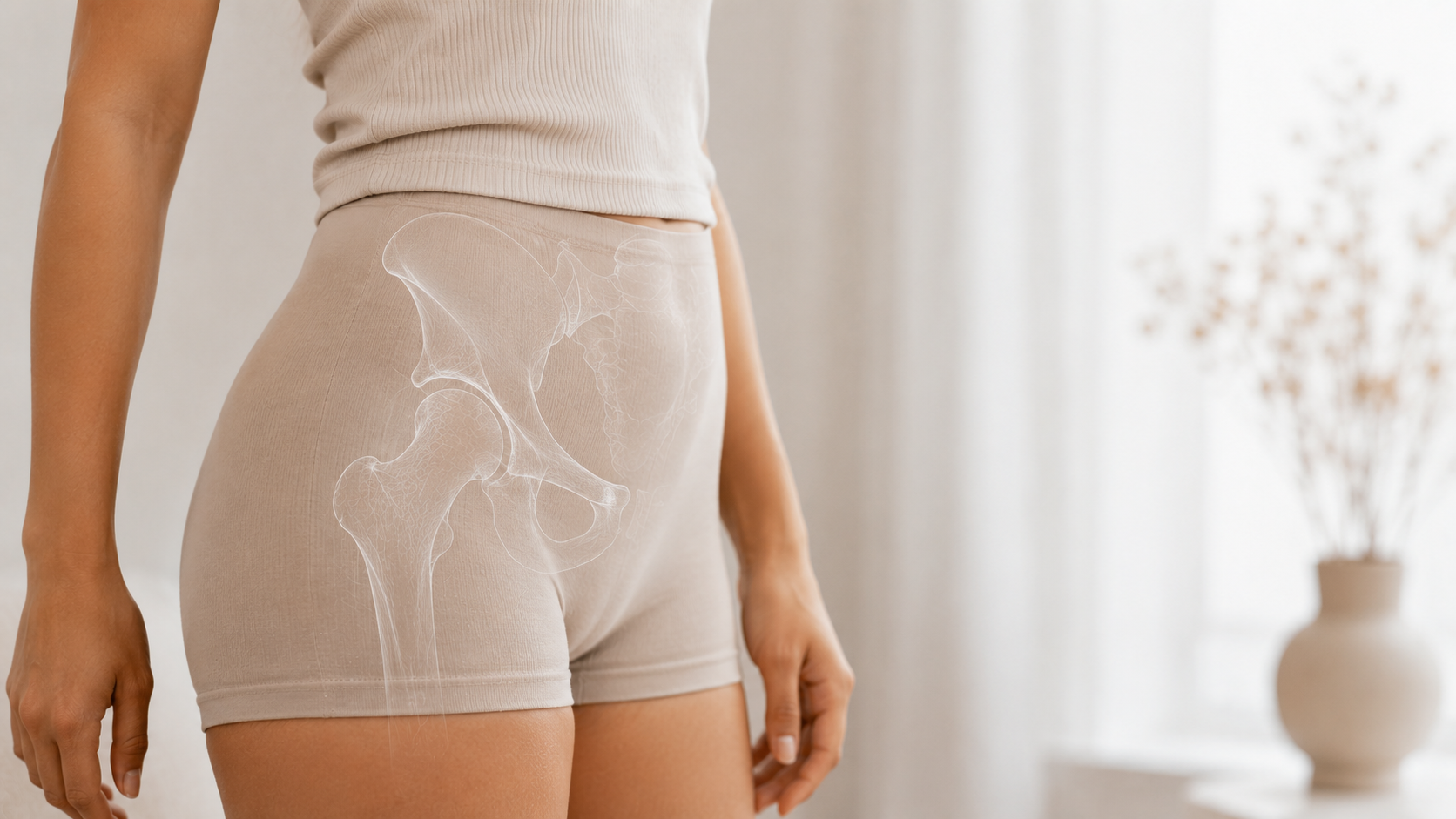
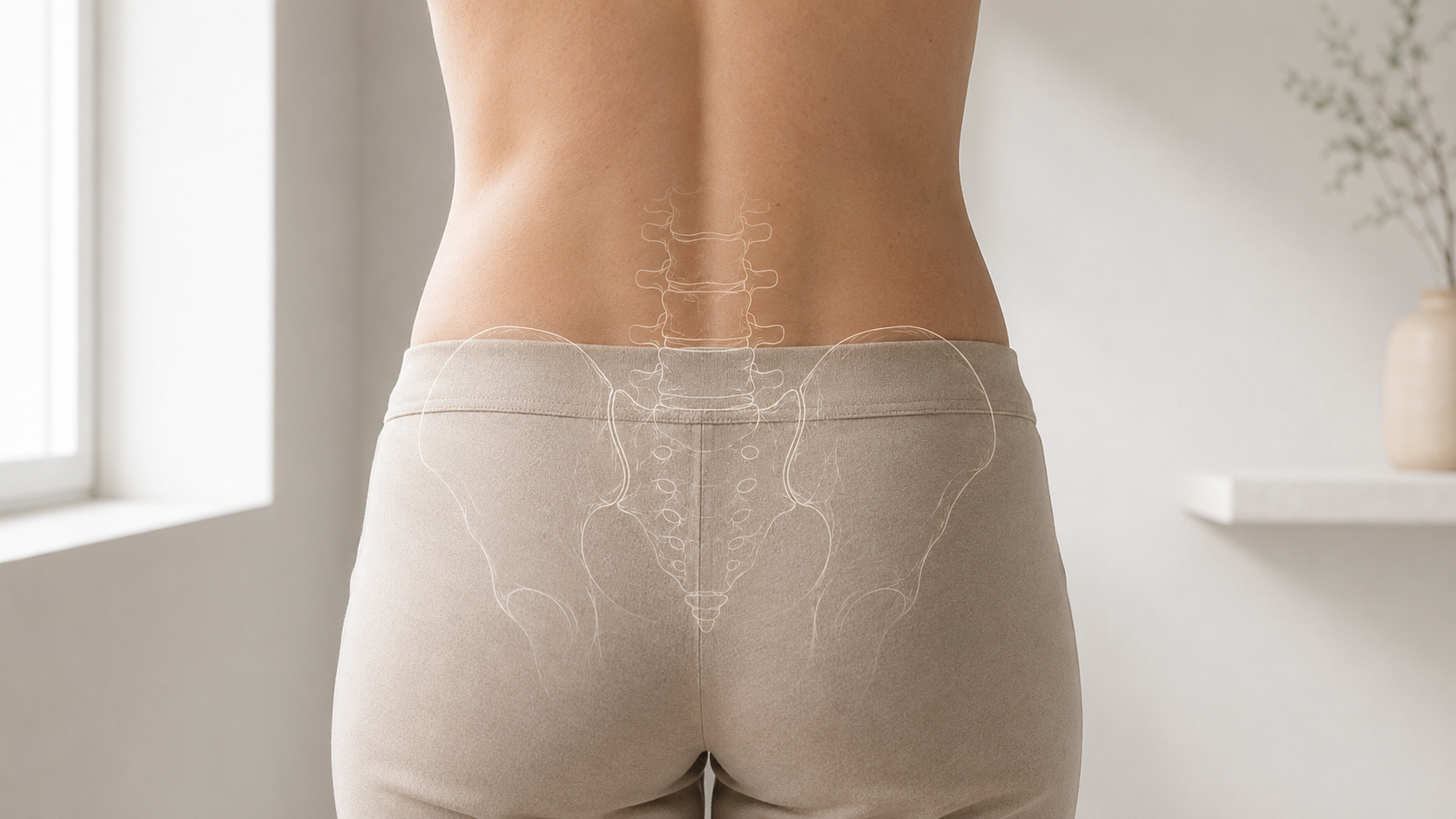
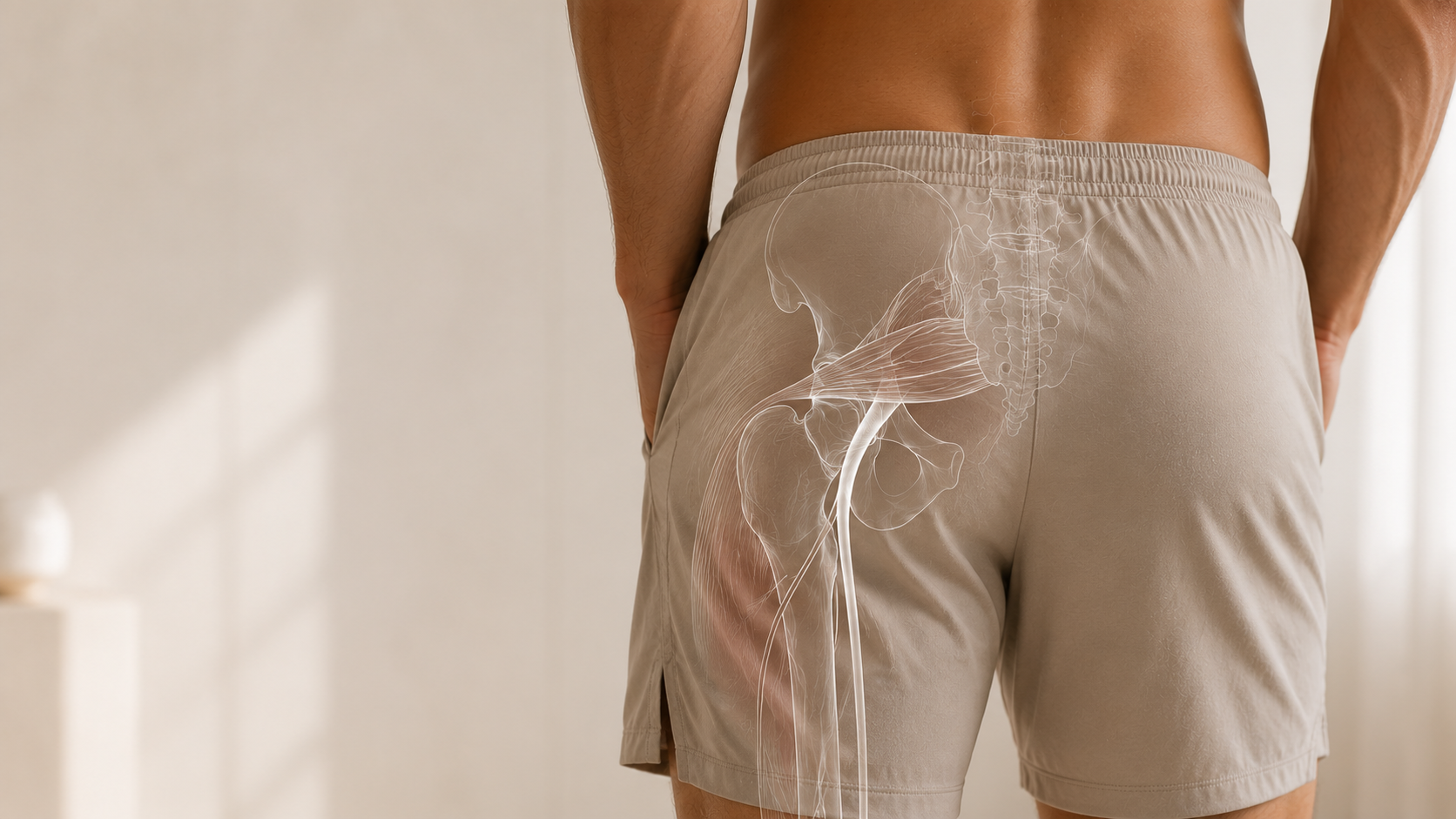
Pelvic pain may come from the hip, sacroiliac joint, lumbar spine, abdominal wall, tendons, ligaments, or surrounding muscles. Hip impingement and labral tears can cause groin or deep hip pain that may be mistaken for pelvic pain. Sacroiliac joint dysfunction can refer pain into the buttock, groin, low back, or pelvis. Piriformis-related pain may overlap with sciatic-like symptoms or deep pelvic discomfort.
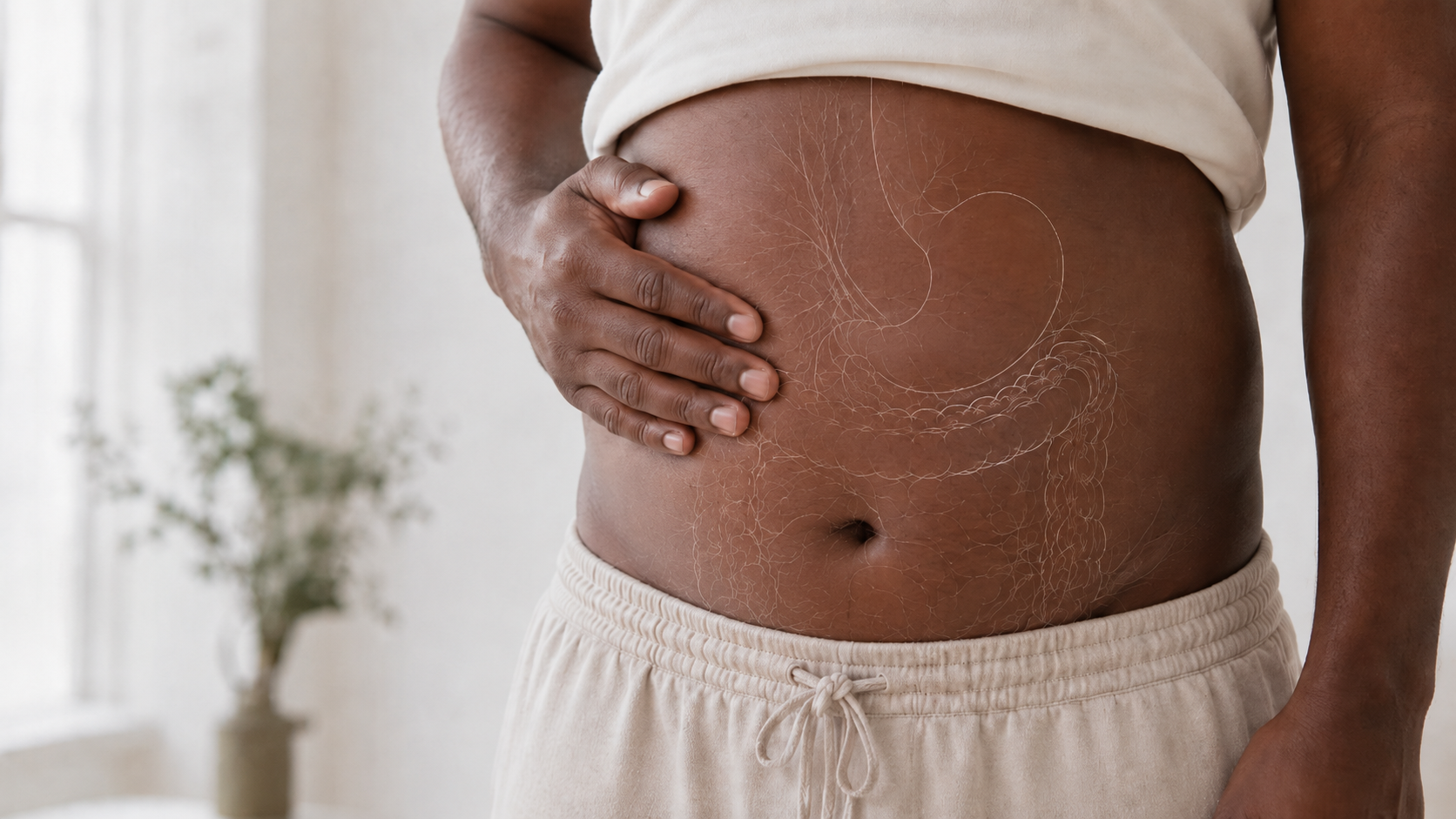
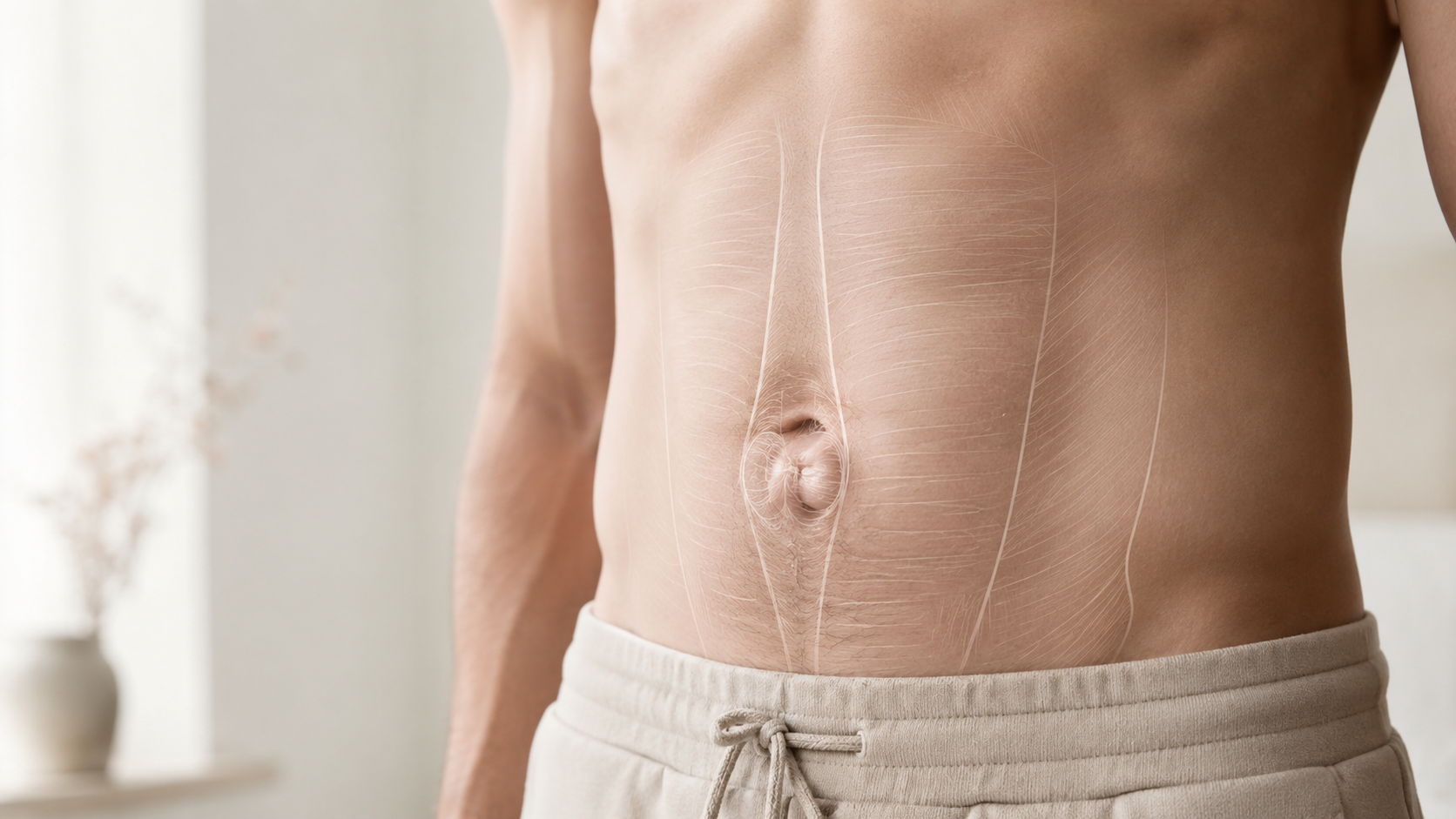
Anterior pelvic tilt, pelvic instability, muscle guarding, altered gait, and abdominal wall pain can also contribute. In some patients, ACNES or other abdominal wall nerve entrapment patterns may feel like lower abdominal or pelvic pain, especially when GI or gynecologic workups do not explain the symptom.
MPM evaluates these musculoskeletal and nerve-related contributors alongside pelvic organ and pelvic floor considerations.
Pelvic Pain, EDS, and Hypermobility
Patients with EDS or hypermobility spectrum disorder may experience pelvic pain for several reasons. Joint laxity can affect the hips, sacroiliac joints, lumbar spine, ribs, abdominal wall, and pelvic ring. Muscles may overwork to stabilize joints, leading to guarding, trigger points, fatigue, and pain. Hypermobility can also overlap with pelvic floor dysfunction, hip impingement, labral tears, sacroiliac joint dysfunction, abdominal pain, POTS-like symptoms, and central pain sensitization.
MPM does not assume that hypermobility is the cause of every pelvic pain symptom. Instead, the evaluation looks at whether joint instability, connective tissue differences, pelvic mechanics, nerve irritation, muscle guarding, or chronic pain sensitization are contributing to the patient’s specific pattern.
Endometriosis, Fibroids, and Overlapping Pelvic Pain
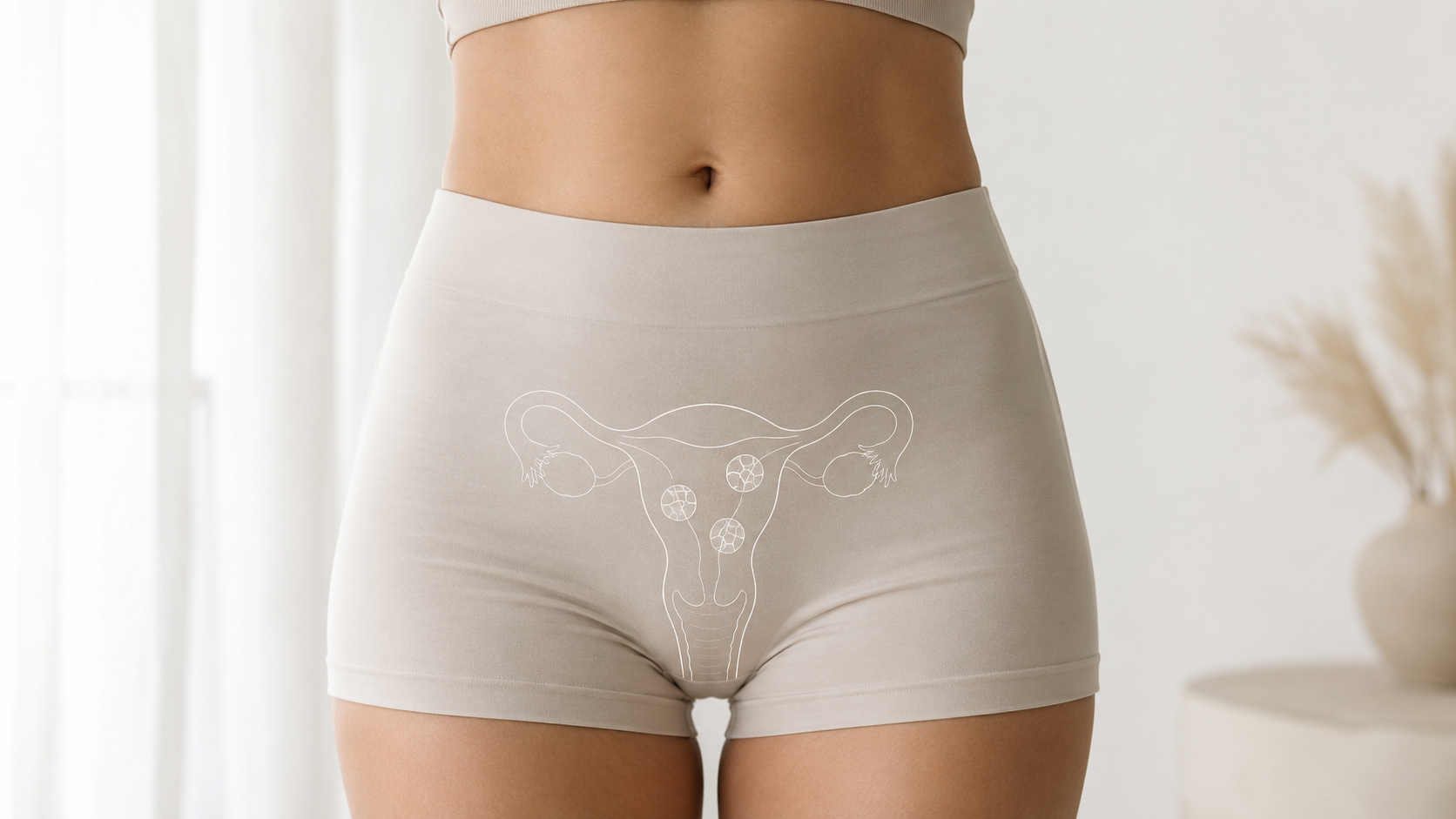
Gynecologic conditions such as endometriosis and fibroids can contribute to pelvic pain, but they can also coexist with other pain generators. A patient may have endometriosis and pelvic floor muscle guarding, fibroids and pressure symptoms, abdominal pain and constipation, or nerve sensitization after prolonged pelvic inflammation.
Even after surgery or medical treatment, some patients continue to have pain because pelvic floor dysfunction, nerve pain, hip mechanics, abdominal wall pain, or central sensitization remains active. This does not mean the original diagnosis was wrong. It means pelvic pain can become layered over time.
MPM works within a coordinated model and may collaborate with gynecology, GI, urology, pelvic floor physical therapy, and other specialists when pelvic organ conditions are part of the pain picture.
Central Pain Sensitization and Chronic Pelvic Pain
When pelvic pain persists, the nervous system can become more sensitive. Central sensitization means pain pathways may become more reactive, making pain feel stronger, spread more widely, or continue even after the original tissue trigger has changed.
This does not mean the pain is imagined. It means the nervous system may be contributing to how pain is maintained and amplified. Chronic pelvic pain can also overlap with medical trauma, anxiety around symptoms, sleep disruption, sexual pain, bowel or bladder fear, and avoidance of activities that previously triggered pain.
Pain psychology and biofeedback can support nervous system regulation, coping, sleep, pelvic muscle awareness, fear reduction, and function. These approaches are not a replacement for medical evaluation. They are one part of coordinated pelvic pain care when appropriate.
Treatment Options for Pelvic Pain
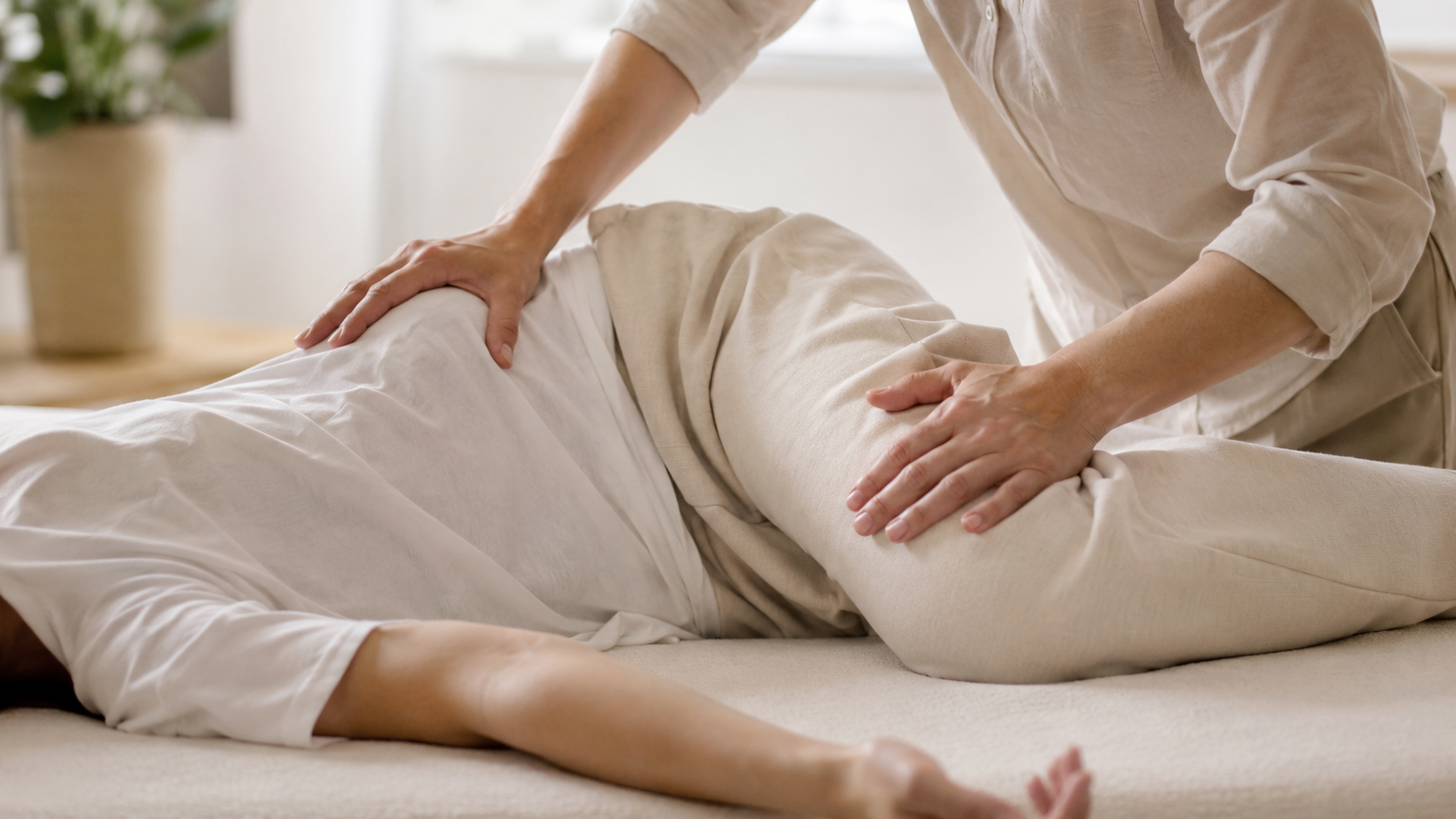
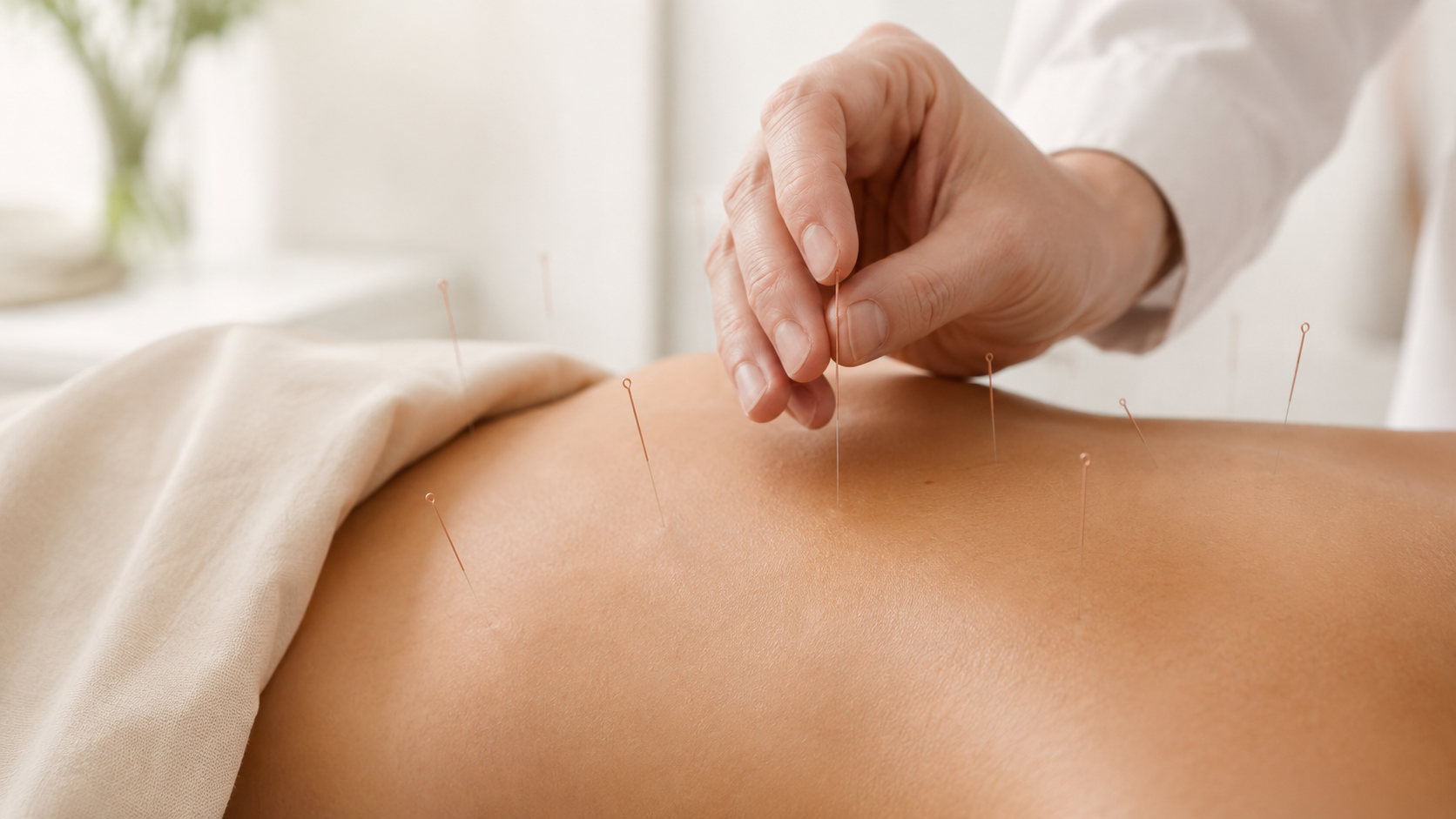
Treatment depends on the diagnosis and dominant pain generator. Some patients benefit from pelvic floor therapy coordination, movement retraining, biofeedback, medication management, acupuncture, Feldenkrais, or pain psychology. Others may need targeted interventions when a specific pain generator is identified.
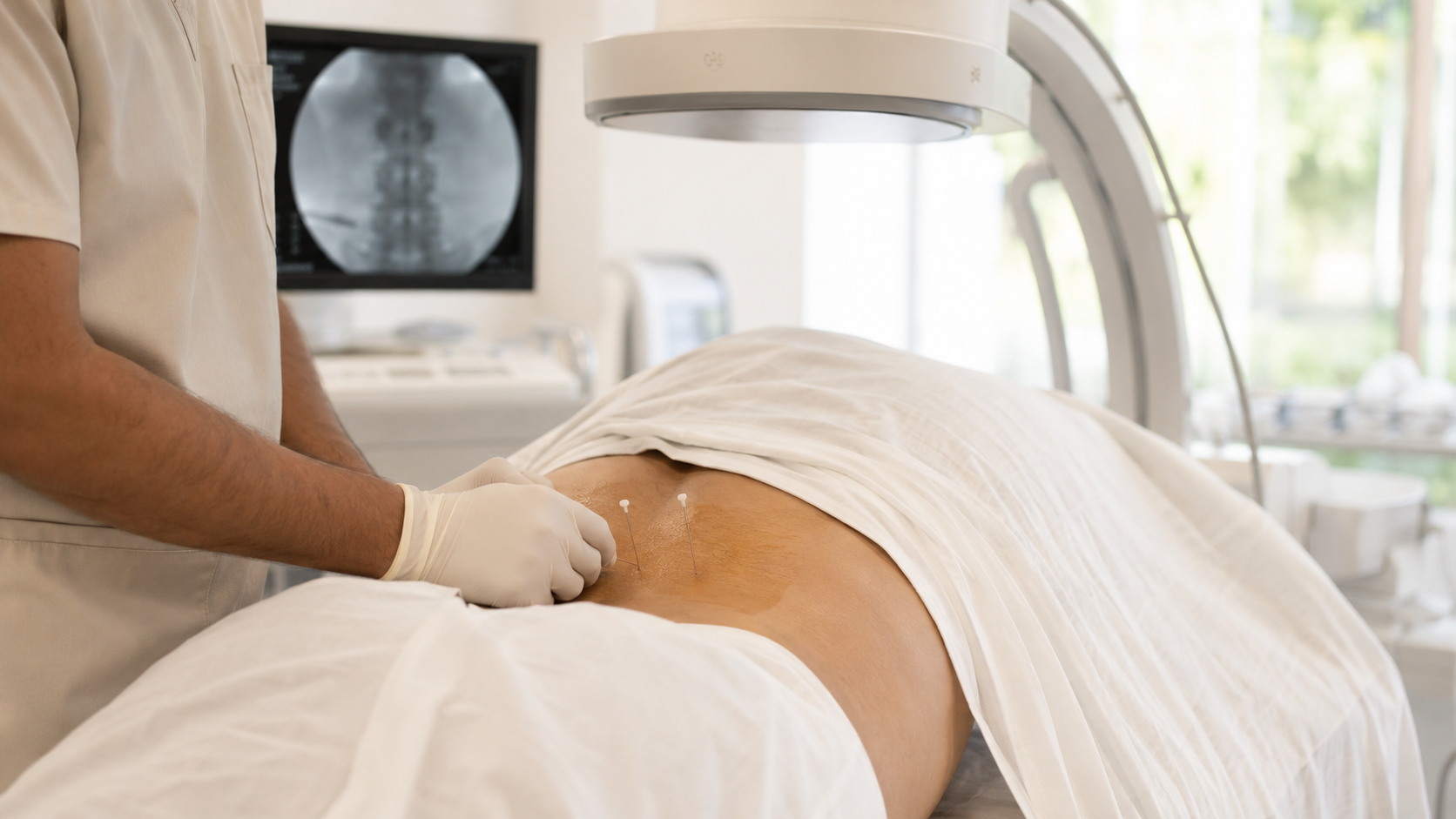
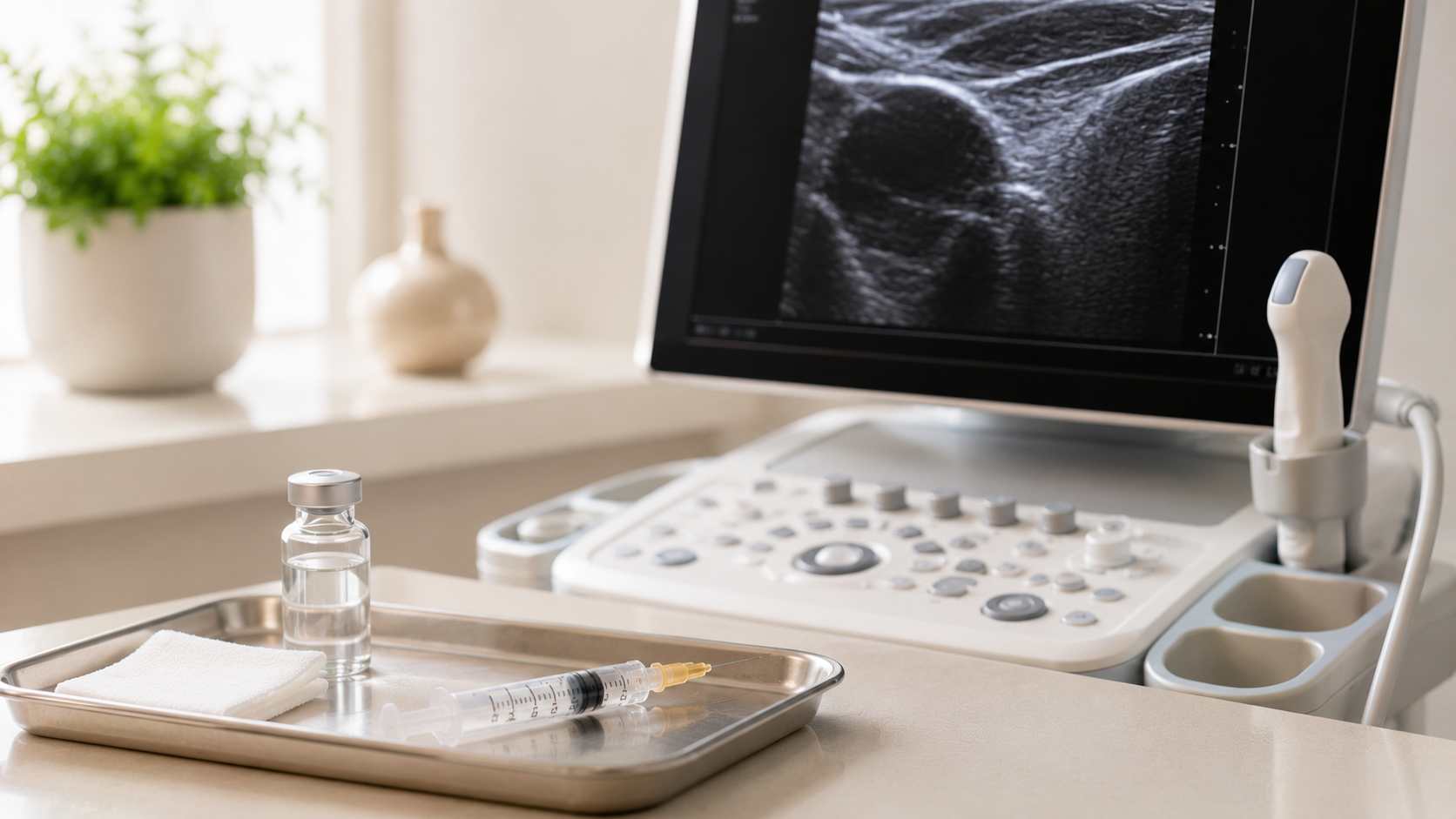
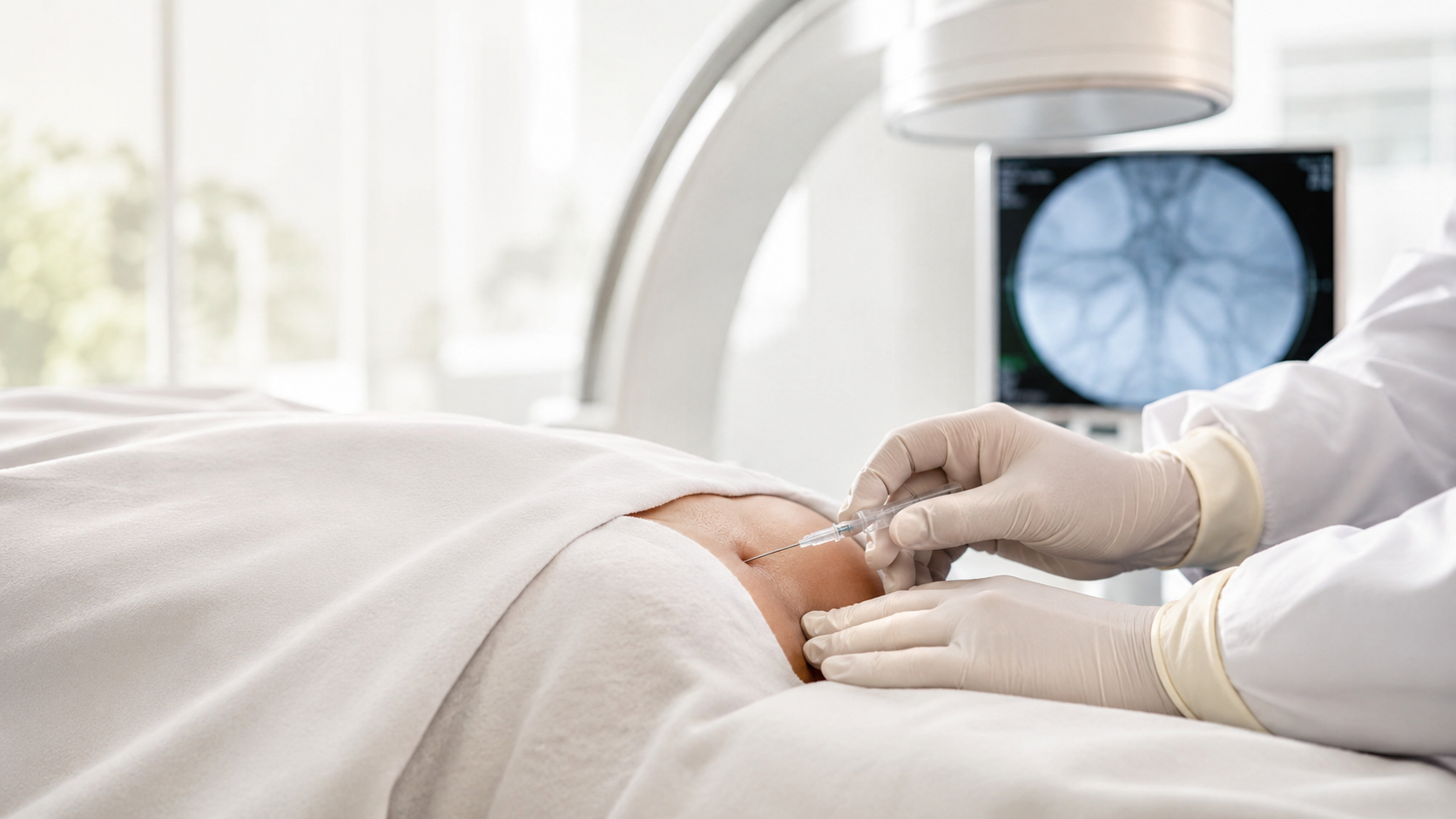
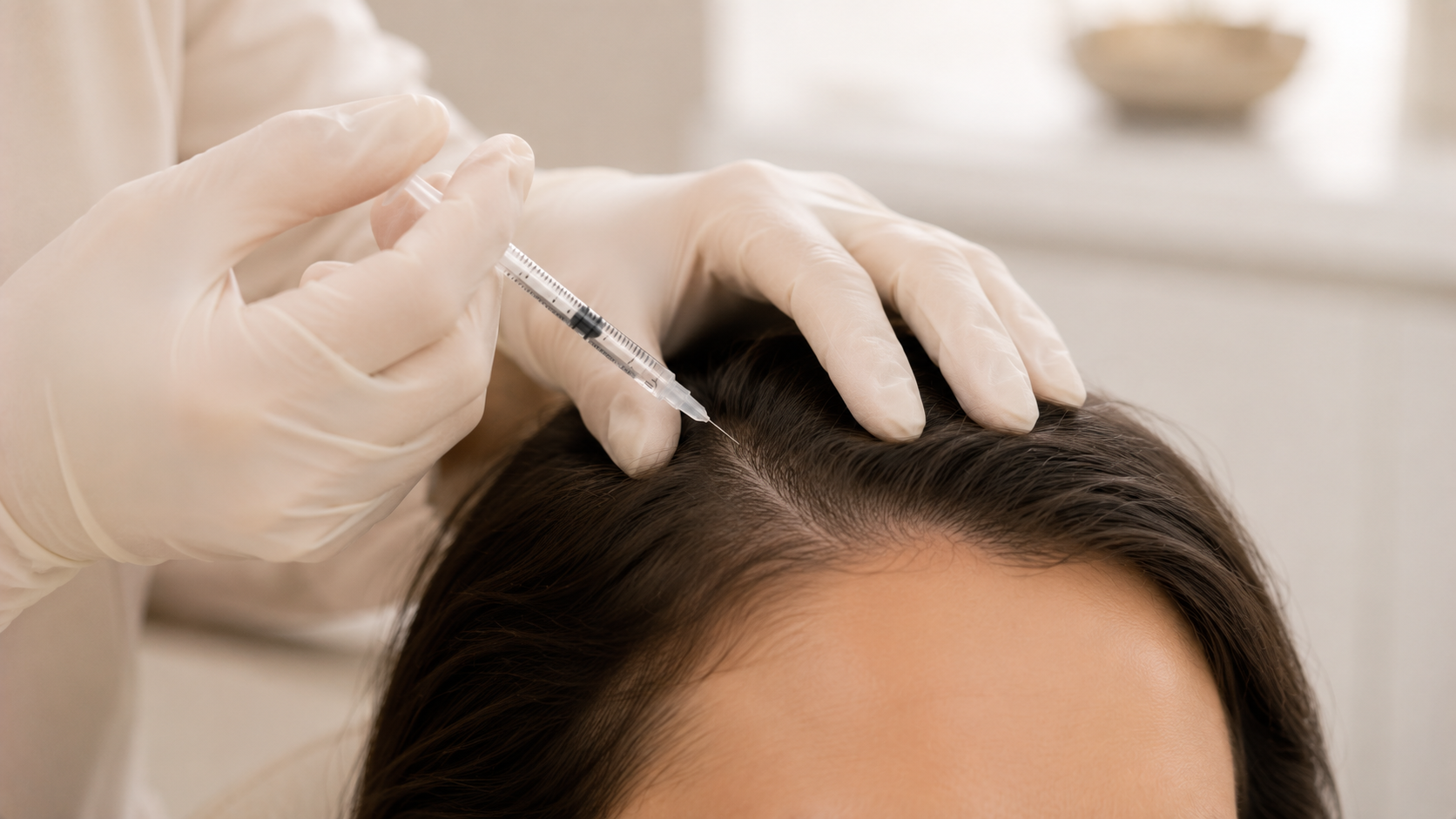
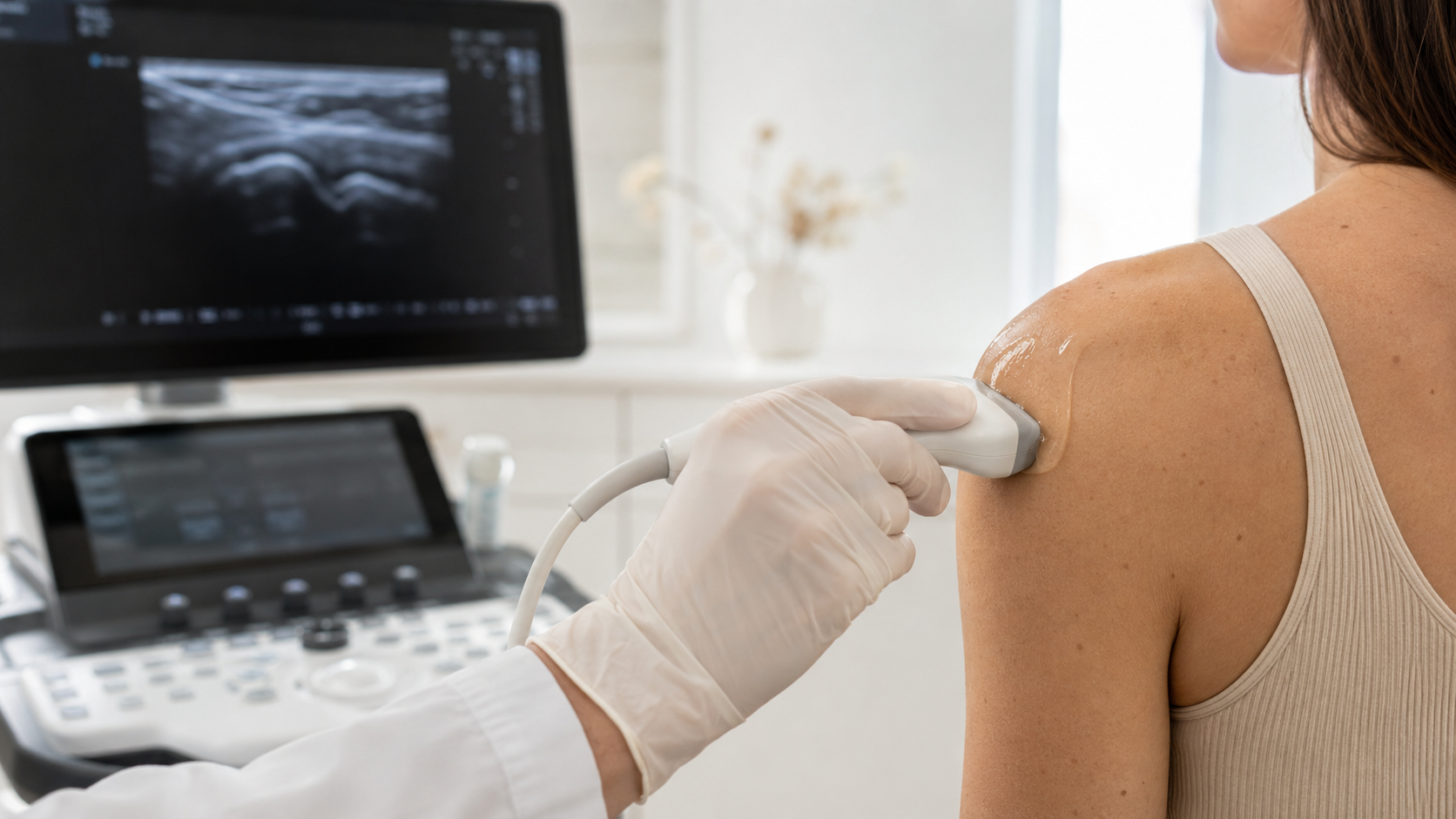
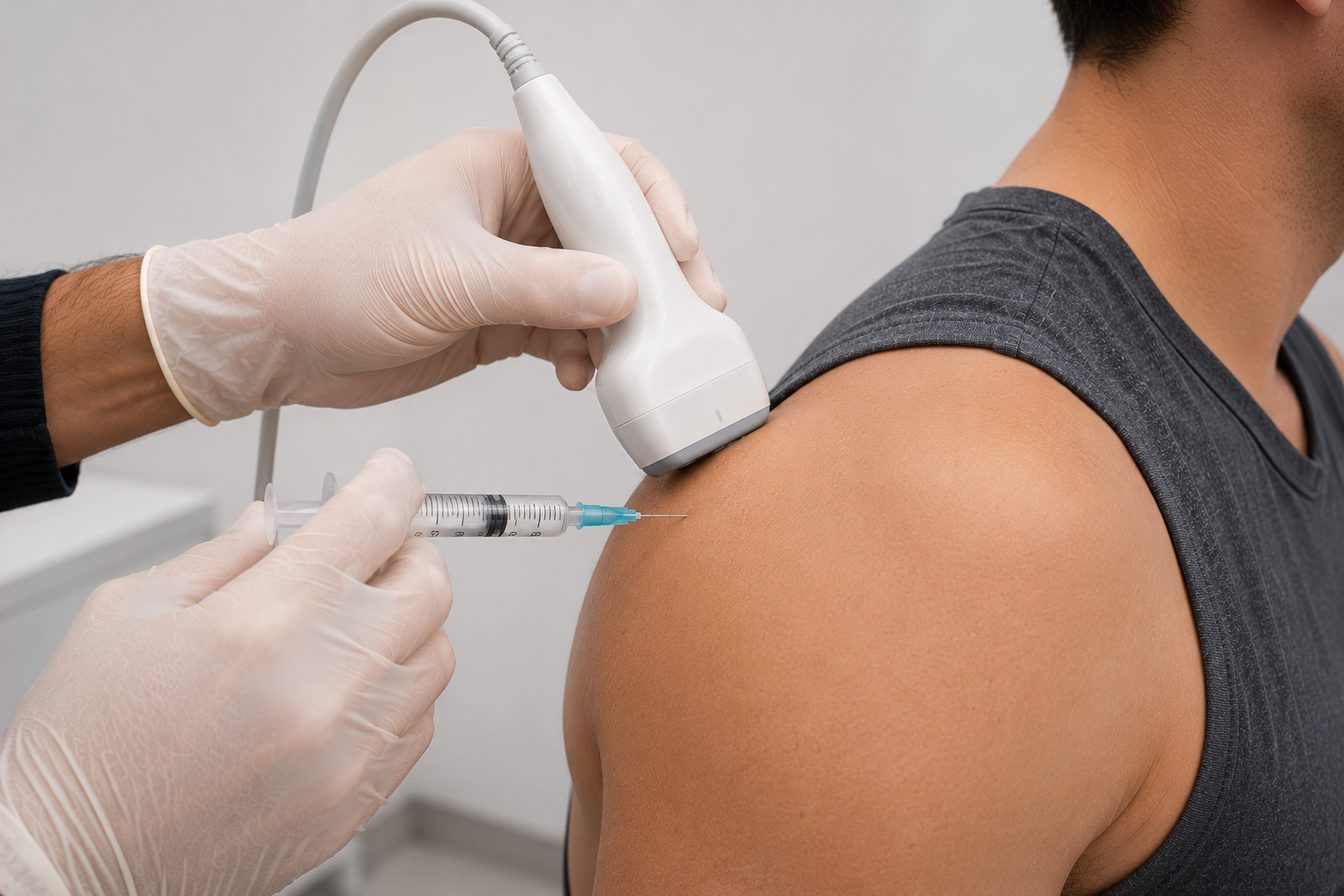
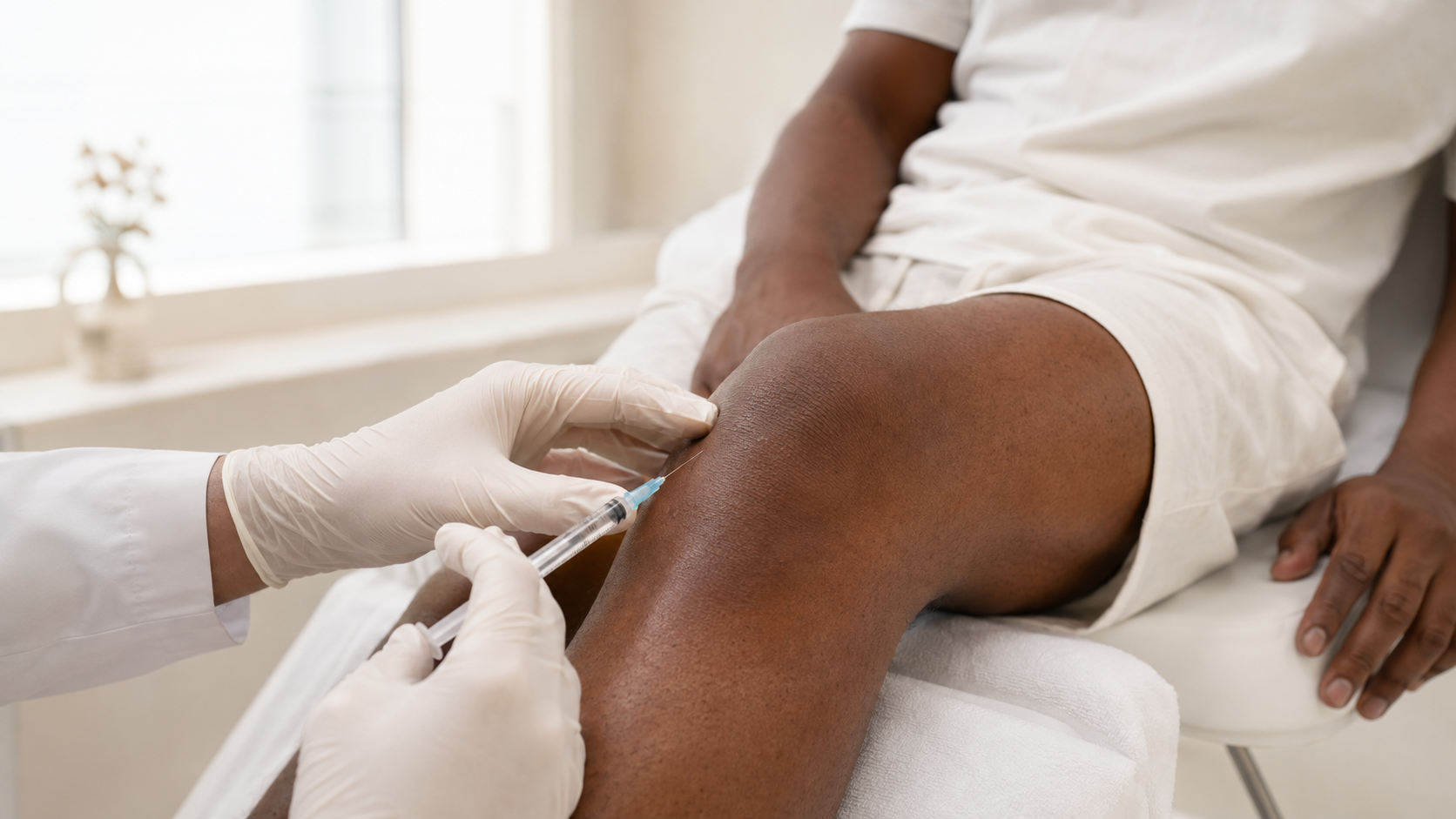
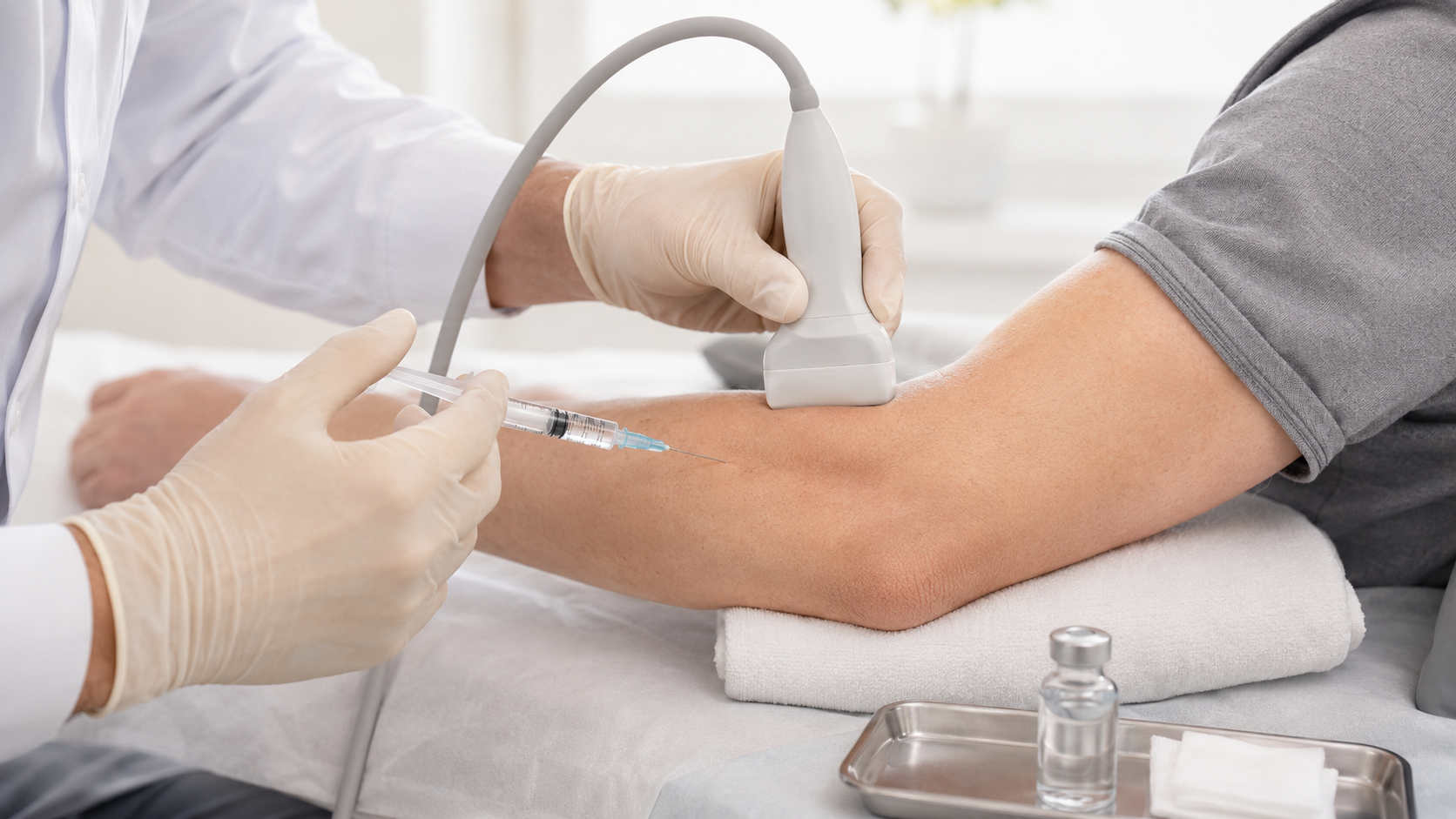
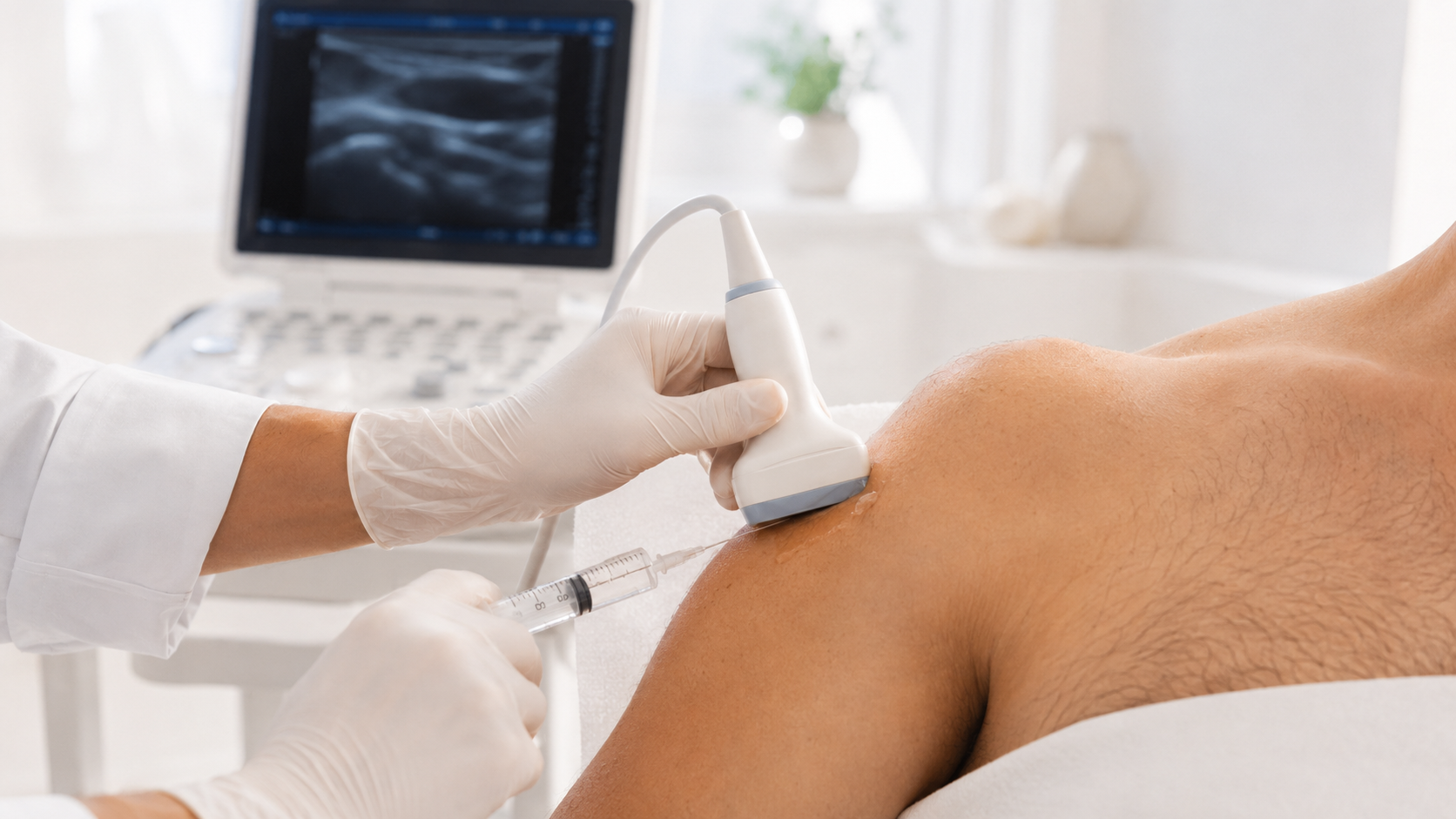
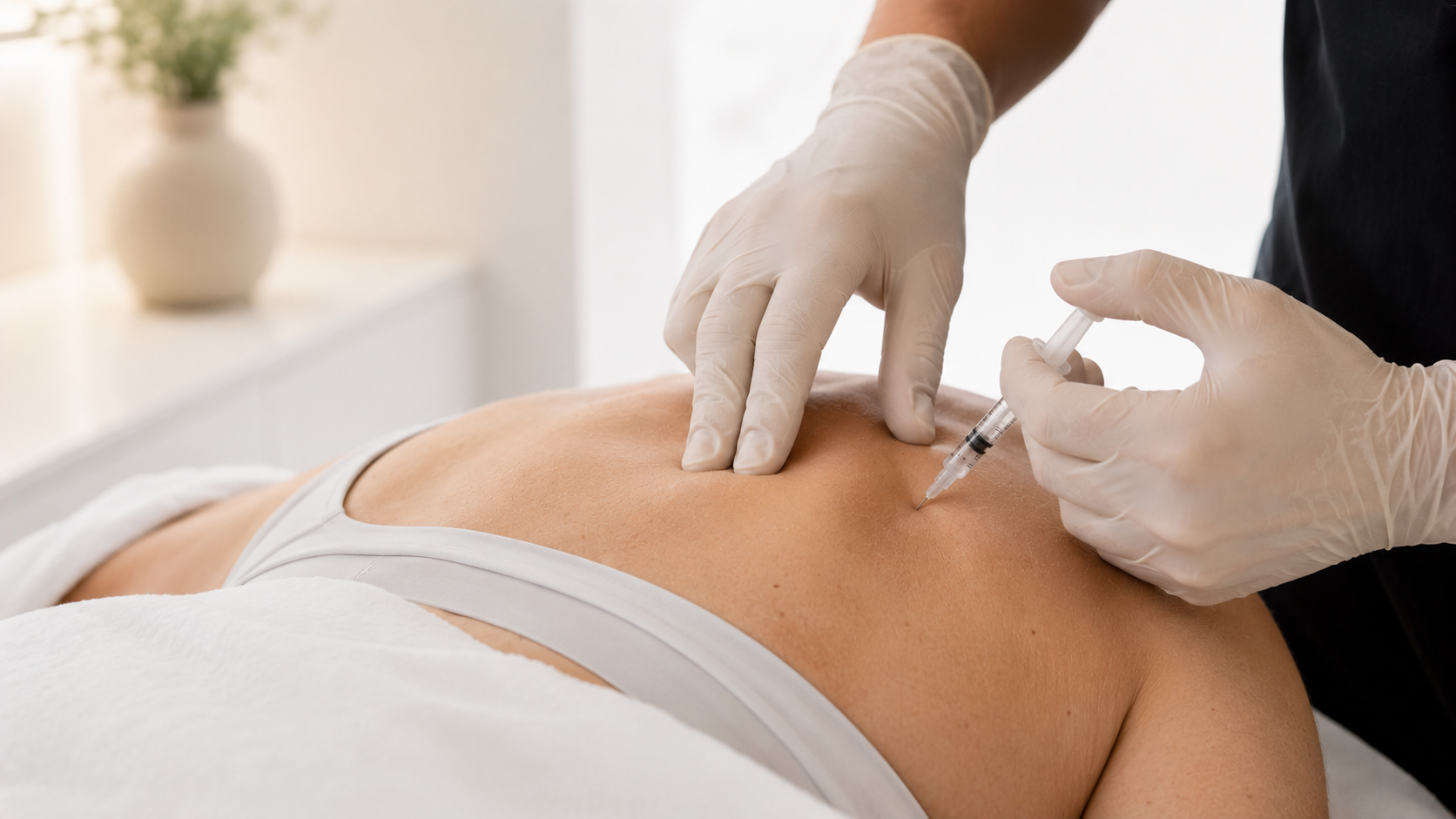
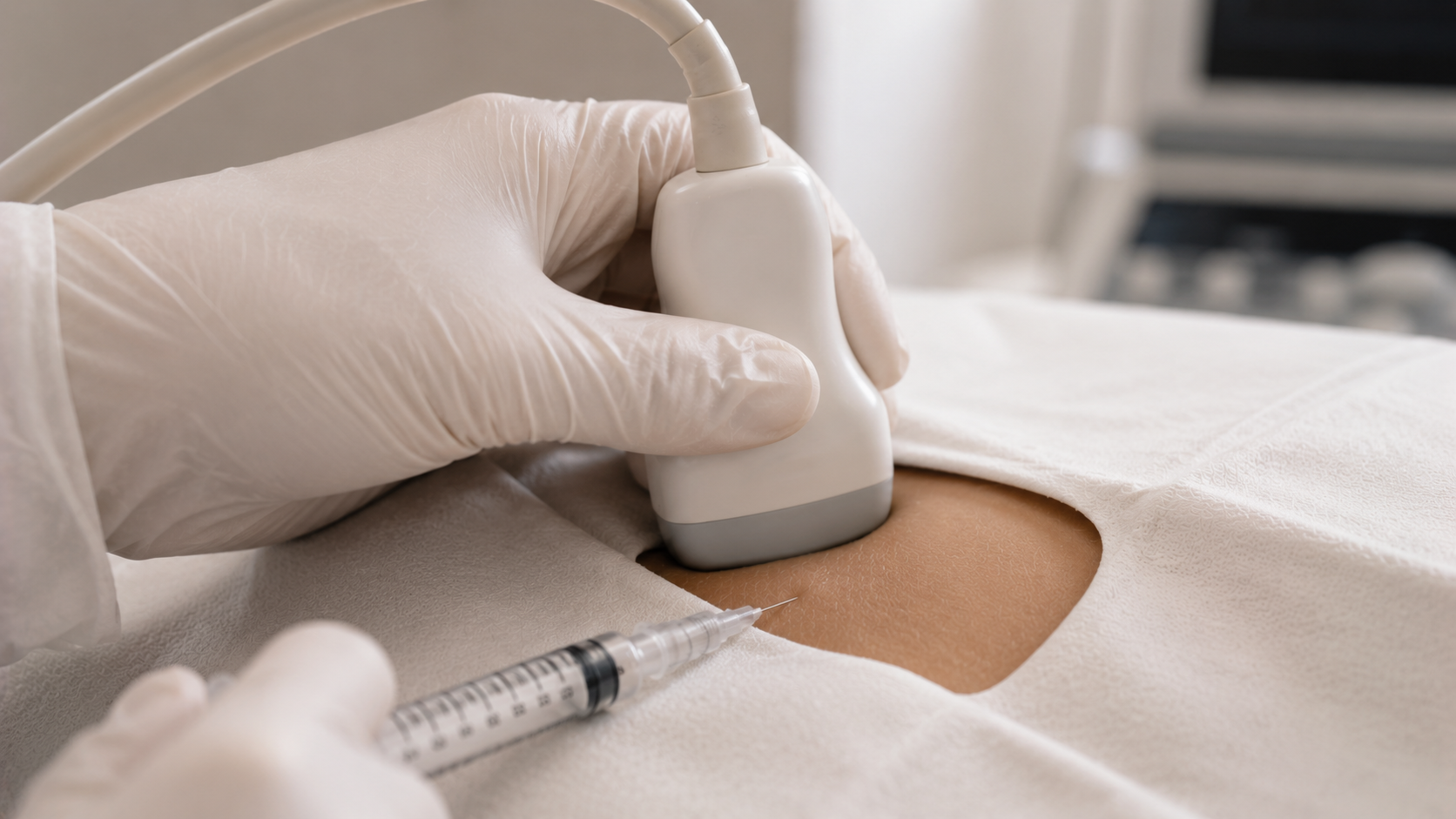
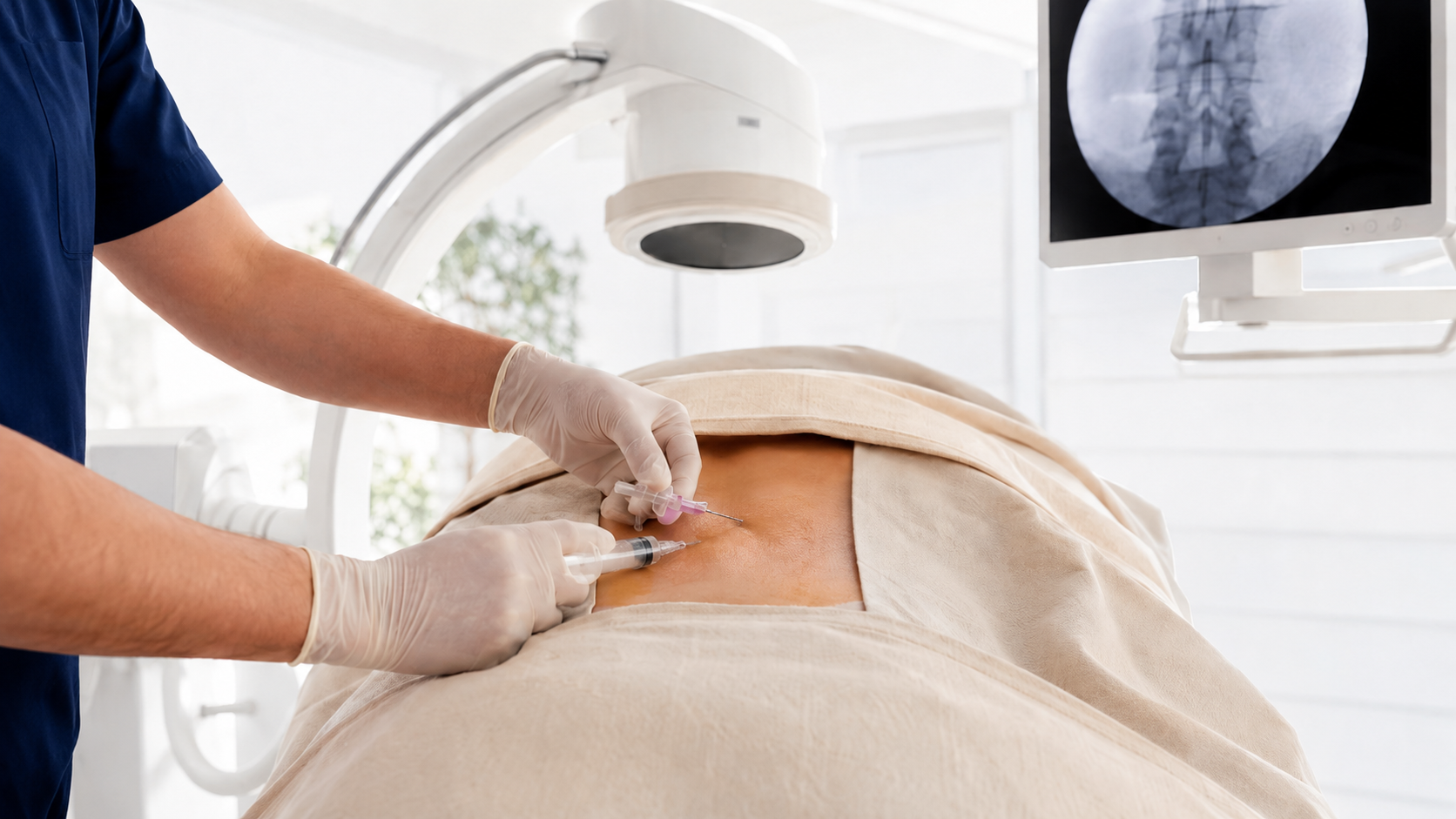
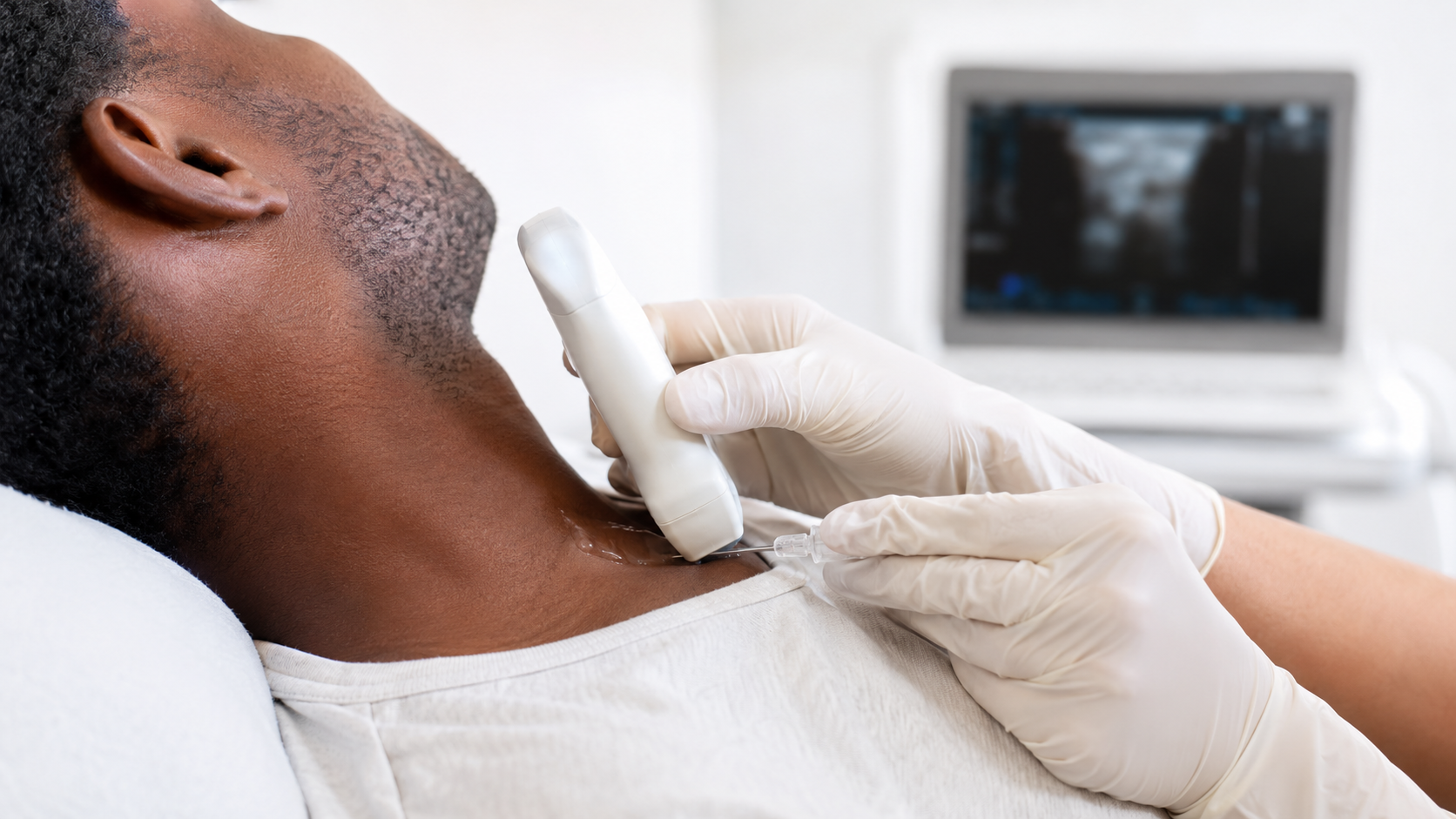
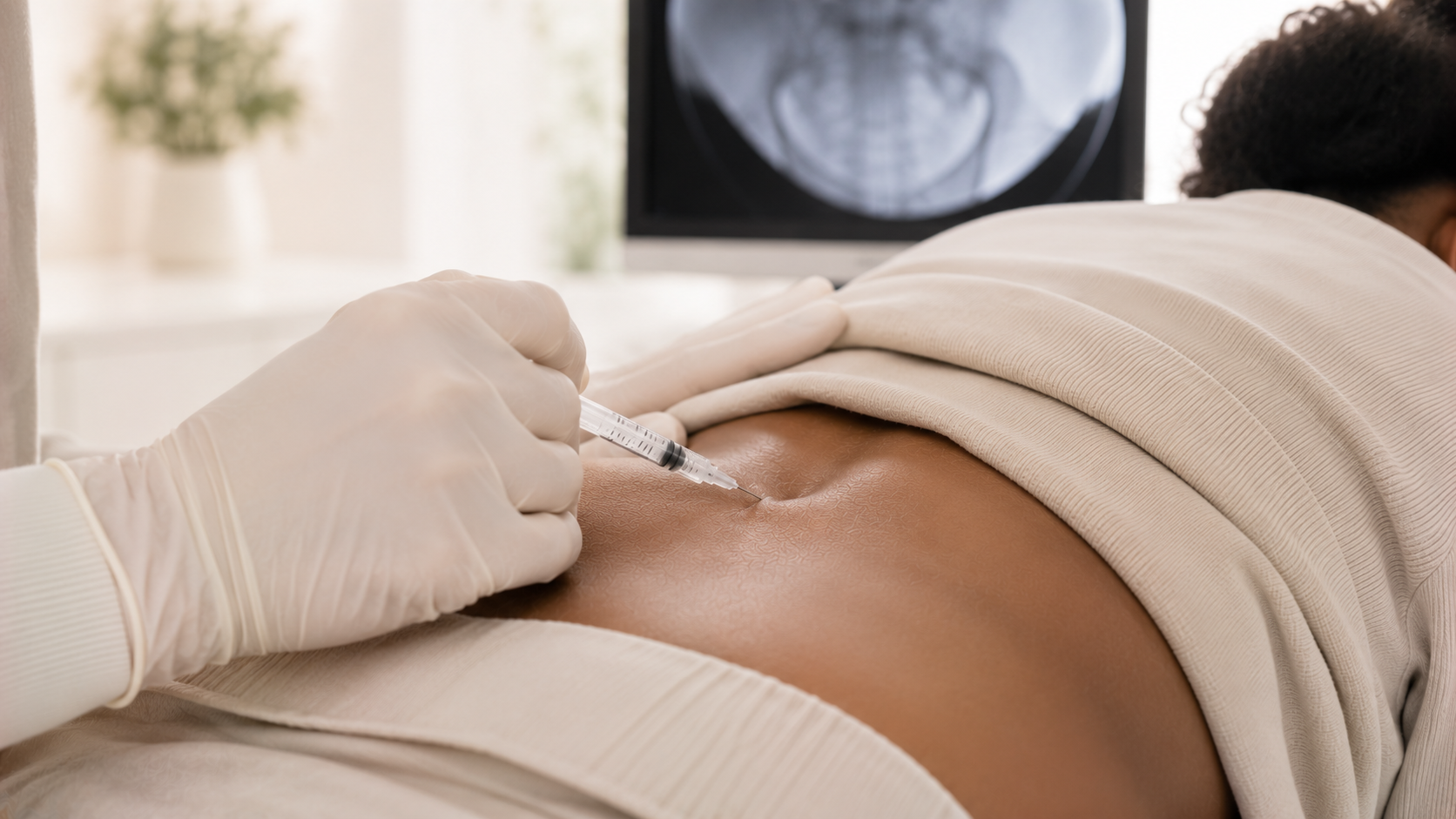
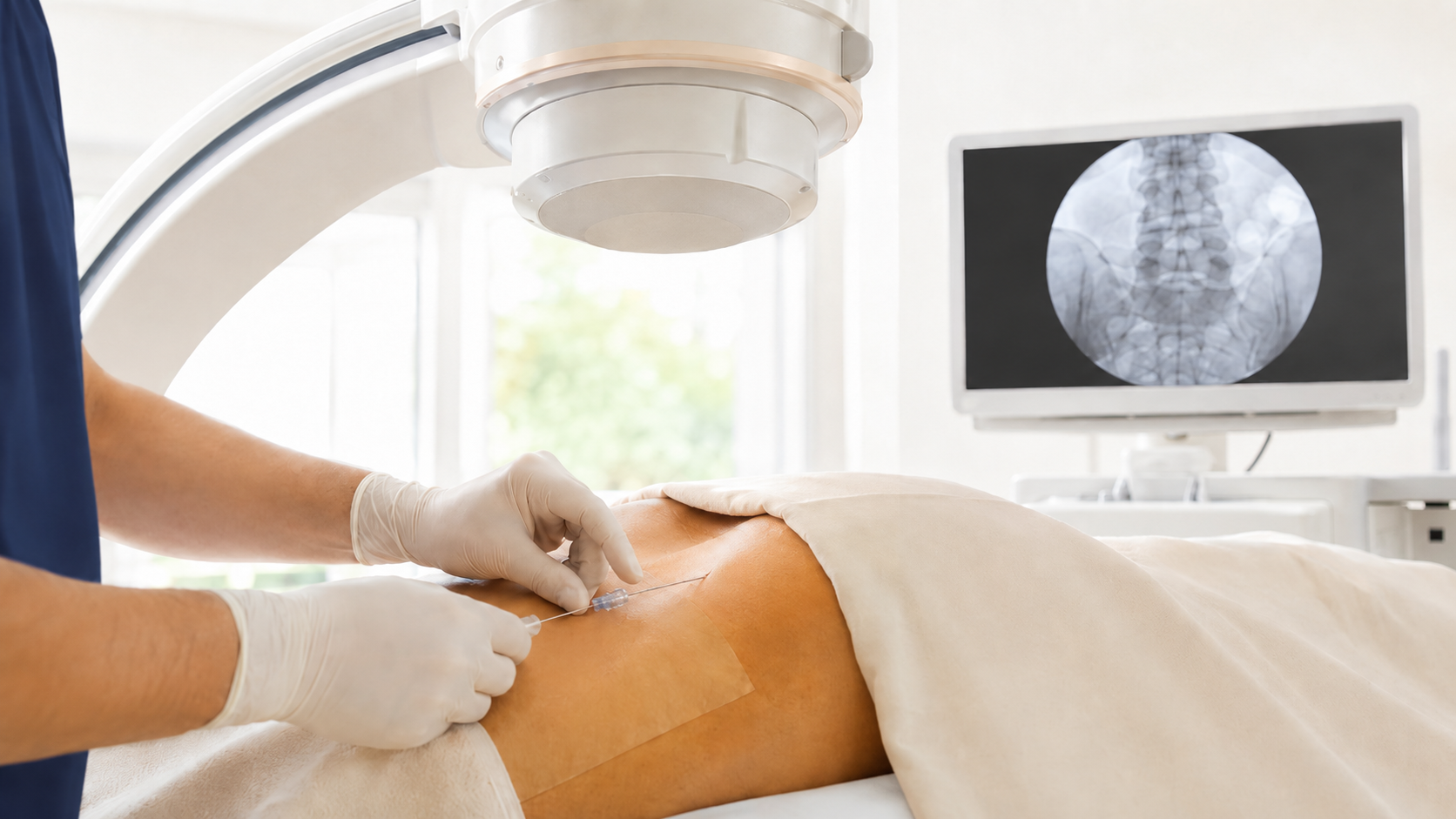
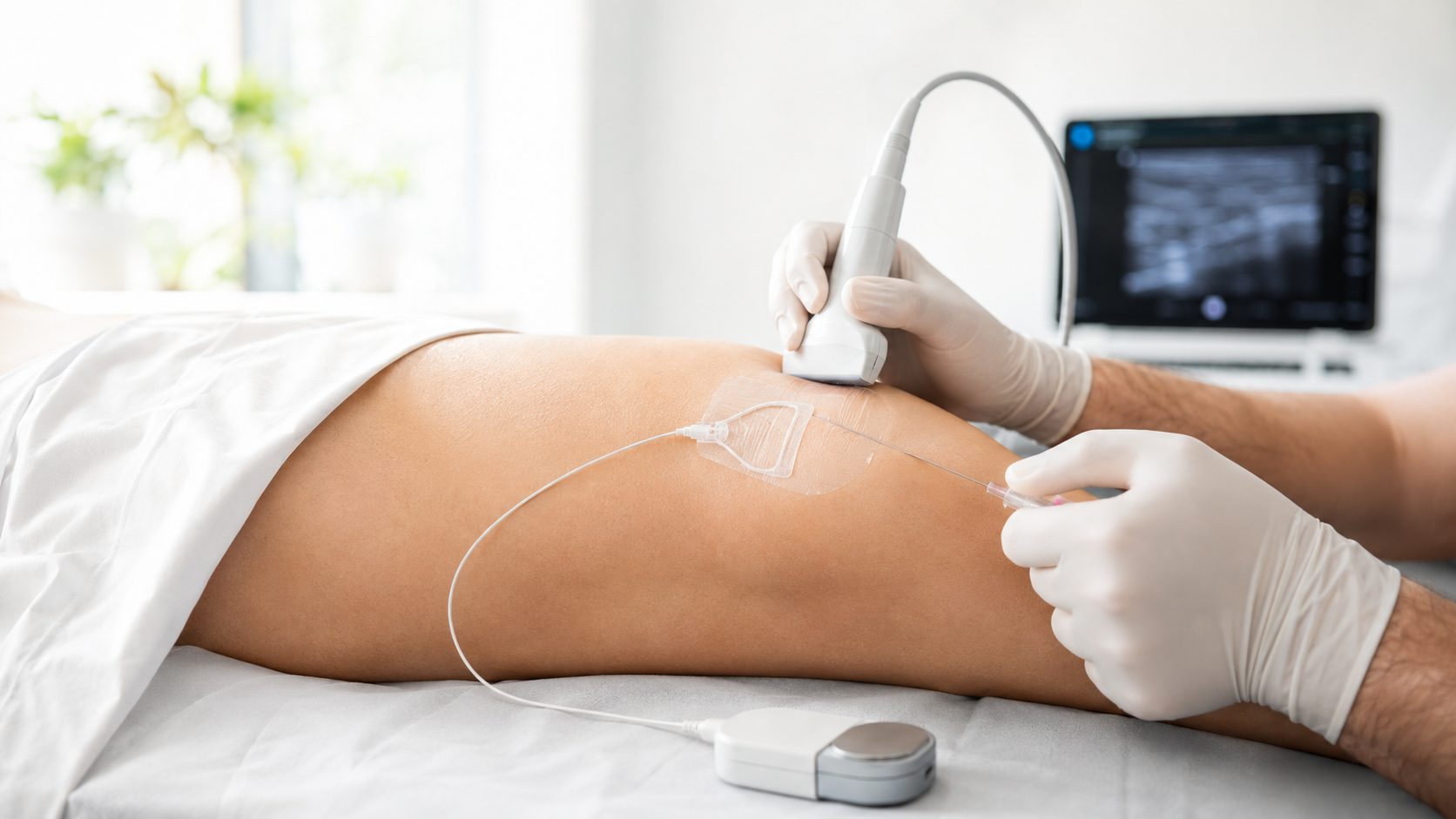
Selected image-guided procedures may include trigger point injections, pelvic floor trigger point injections, pudendal nerve block, ganglion impar block, superior hypogastric plexus block, lumbar sympathetic blocks, sympathetic blocks, sacroiliac joint injection, sacrococcygeal ligament injection, peripheral joint injections, nerve hydrodissection, or peripheral nerve stimulation. These are not routine treatments for every pelvic pain patient. They are considered only when the diagnosis, anatomy, pain pattern, risk profile, and treatment goals support them.
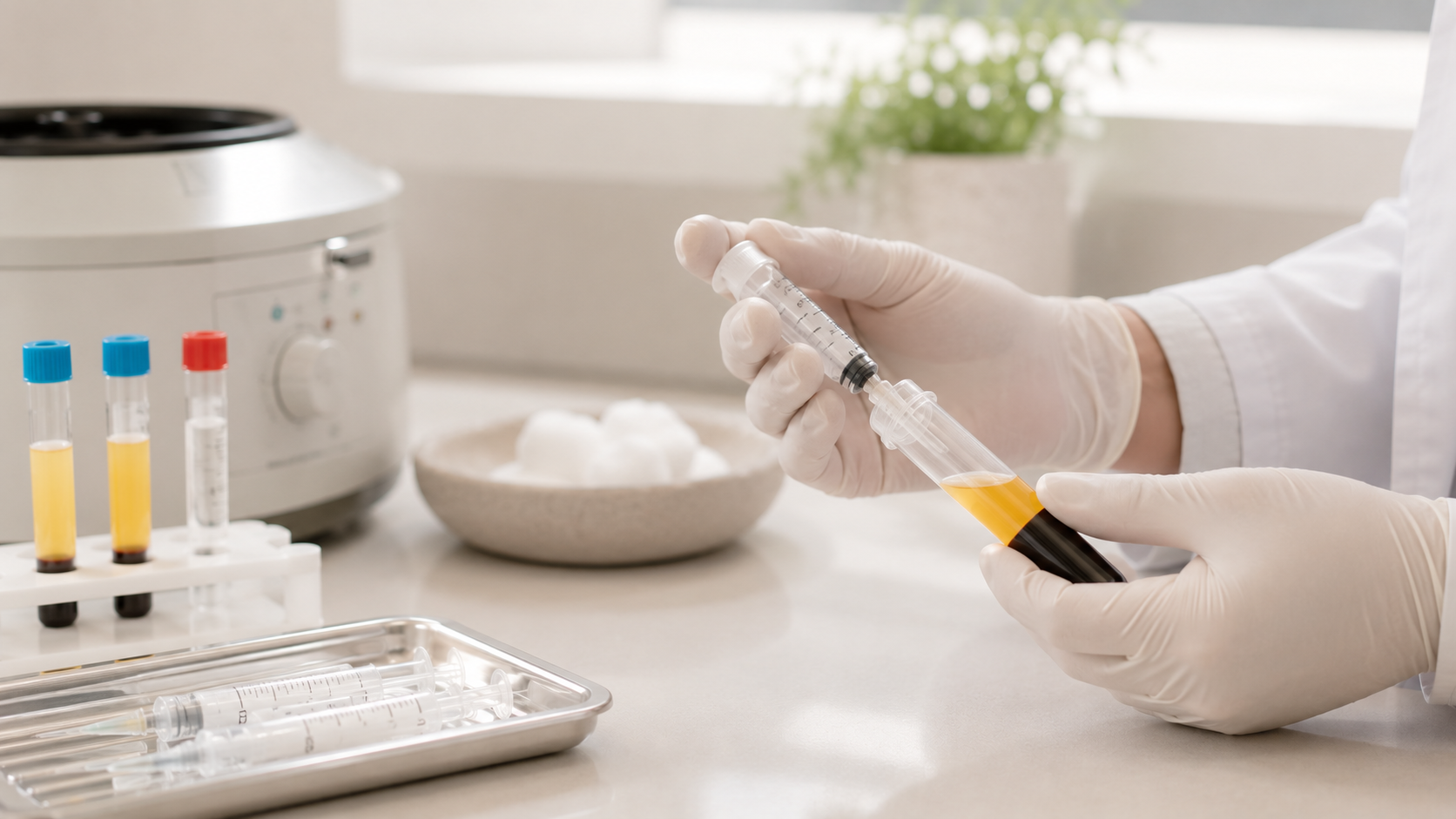
Regenerative options such as PRP, prolotherapy, or other selected treatments may be considered for carefully chosen musculoskeletal or instability-related patterns, but they should not be presented as universal pelvic pain treatments.
When Pelvic Pain Requires Urgent Evaluation
Pelvic pain can sometimes reflect urgent medical conditions. Patients should seek urgent or emergency care for sudden or severe pelvic pain, fever, vomiting, fainting, heavy vaginal bleeding, pregnancy with pelvic pain, blood in urine or stool, inability to urinate or pass stool, severe worsening pain, new neurologic deficits, severe abdominal pain, signs of infection, suspected ectopic pregnancy, testicular pain or swelling, or symptoms after trauma.
Pain procedures should not replace appropriate gynecologic, urologic, gastrointestinal, orthopedic, neurologic, surgical, oncologic, or emergency evaluation when those are needed.
How MPM Approaches Pelvic Pain Care
MPM approaches pelvic pain through a diagnosis-first, coordinated model. The goal is to identify whether pain is pelvic floor-related, nerve-related, hip-related, sacroiliac-related, abdominal wall-related, hernia-related, gynecologic, gastrointestinal, urologic, inflammatory, hypermobility-related, centralized, or mixed.
For patients looking for pelvic pain treatment in Manhattan, MPM offers a careful pain medicine perspective focused on source-finding, functional impact, patient education, and coordinated treatment planning. The care plan is individualized and may involve conservative care, pelvic floor coordination, pain psychology, biofeedback, acupuncture, Feldenkrais, medication management, selected image-guided procedures, nerve blocks, neuromodulation, or referral to the appropriate specialist when needed.