Rheumatoid Arthritis
Rheumatoid arthritis, often called RA, is a chronic autoimmune disease that most commonly affects the joints. In RA, the immune system mistakenly attacks the body’s own tissues, particularly the synovium, which is the lining of the joints. This immune activity can cause inflammation, swelling, stiffness, pain, warmth, and reduced function. Over time, uncontrolled inflammation may contribute to joint damage and disability. RA can also affect areas beyond the joints, including the eyes, lungs, heart, blood vessels, nerves, skin, and blood.
RA is not the same as ordinary joint soreness. It is also different from osteoarthritis, which is more often related to cartilage wear, aging, injury, or mechanical stress. Rheumatoid arthritis is immune-driven. This is why the treatment plan often needs to include medications that calm immune activity and reduce inflammation, not just medications that temporarily reduce pain.
What Rheumatoid Arthritis Symptoms May Look Like
RA can present in different ways. Many patients notice pain, swelling, warmth, or tenderness in the hands, wrists, feet, knees, shoulders, elbows, jaw, or other joints. Symptoms may occur on both sides of the body. Morning stiffness lasting more than 30 minutes is common and may be one of the first signs of rheumatoid arthritis. Some patients also experience fatigue, low-grade fever, loss of appetite, brain fog, reduced grip strength, or difficulty walking, typing, opening jars, climbing stairs, or performing daily activities.
Symptoms may fluctuate. Patients can have periods of increased inflammation, often called flares, followed by periods when symptoms feel more controlled. A flare may include increased joint swelling, stiffness, pain, fatigue, and reduced function. Because RA can also overlap with other pain conditions, it is important to determine whether symptoms are caused by active inflammation, joint damage, tendon involvement, nerve irritation, musculoskeletal compensation, or chronic pain sensitization.
What Causes Rheumatoid Arthritis?
The exact cause of RA is not fully understood. It is believed to involve a combination of immune system activity, genetics, environmental exposures, and risk factors such as smoking. RA can occur at many ages, but risk increases with age, and it is more common in women than men. A family history of autoimmune disease may also increase risk for some patients.
The important point for patients is that RA is not caused by overuse alone. A person with RA may feel joint pain during movement, but the underlying problem is immune-mediated inflammation. This distinction matters because treating only the pain without addressing inflammatory activity may allow disease progression.
How Rheumatoid Arthritis Is Diagnosed
Rheumatoid arthritis diagnosis usually involves a combination of history, physical examination, blood tests, and imaging. A clinician may look for joint swelling, tenderness, warmth, range-of-motion changes, symmetry of symptoms, and morning stiffness. Blood tests may include inflammatory markers and autoimmune markers such as rheumatoid factor or anti-CCP antibodies, although not every patient with RA has positive antibodies. Imaging may include X-rays, ultrasound, or MRI depending on the clinical question.
At MPM, evaluation also considers overlapping conditions. Joint pain may be related to lupus, Sjogren’s syndrome, vasculitis, undifferentiated connective tissue disease, gout, enthesitis, Ehlers-Danlos syndrome, hypermobility spectrum disorder, tendinopathy, peripheral neuropathy, spine pain, sacroiliac joint dysfunction, TMJ disorders, frozen shoulder, fibromyalgia, or other complex chronic pain conditions. Diagnostic ultrasound may help evaluate certain joints or soft tissue structures and may also help guide injections when appropriate.
Treatment Options for Rheumatoid Arthritis
The foundation of RA care is disease control. Medications may include NSAIDs for pain and inflammation, corticosteroids for short-term flare control, conventional DMARDs, biologic DMARDs, or targeted synthetic DMARDs. DMARDs are designed to slow disease progression and help protect joints. Biologics and targeted therapies affect specific parts of the immune system and may be used when clinically appropriate. Because these medications can increase infection risk or cause other side effects, they should only be used under medical supervision with appropriate monitoring.
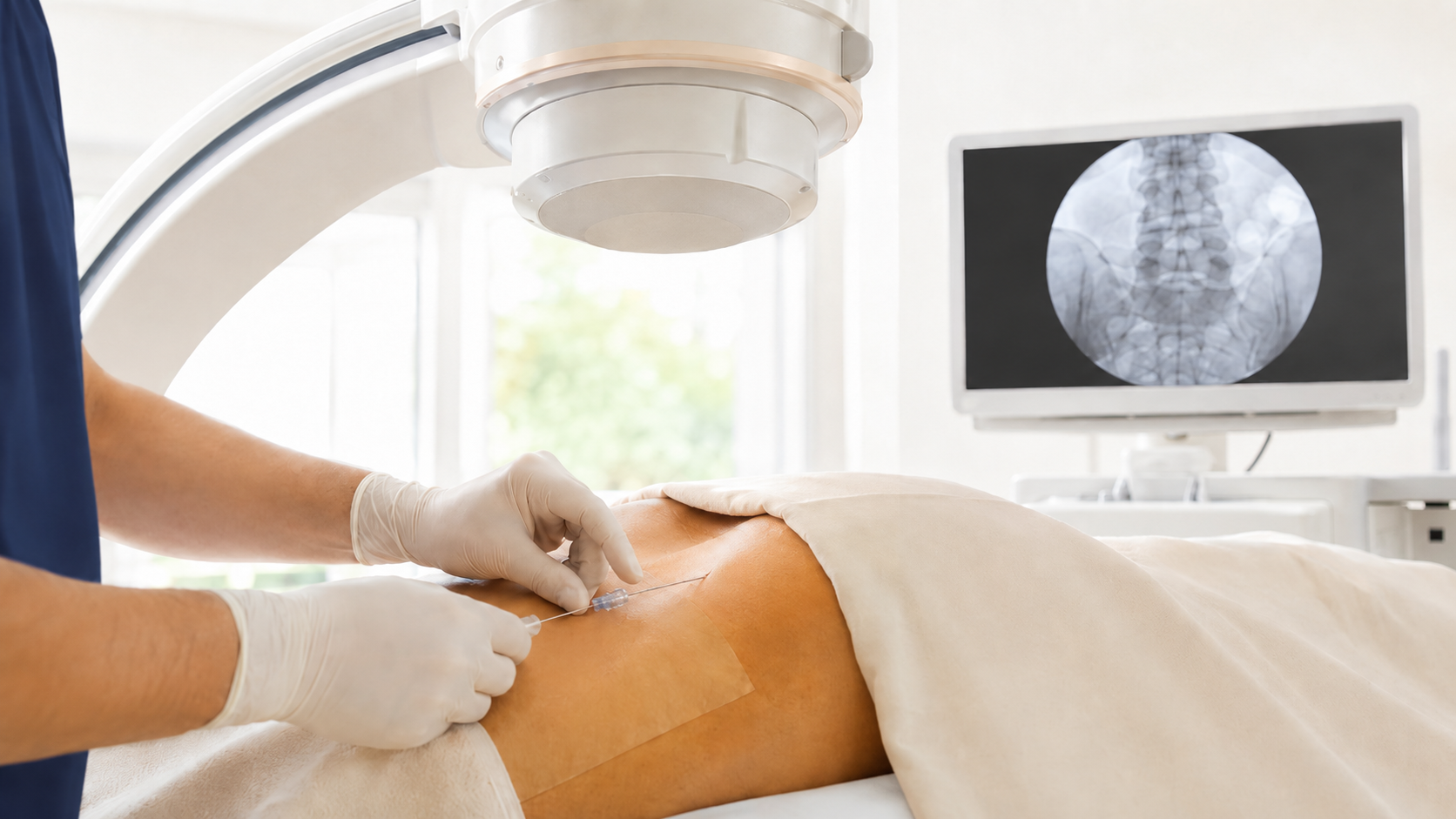
Pain management may also be part of care, especially when symptoms persist despite disease-directed treatment. Depending on the presentation, MPM may consider medication management, peripheral joint injections, sacroiliac joint injection, steroid injections, diagnostic ultrasound, infusions, biologics for appropriate inflammatory conditions, B12 replacement when deficiency is relevant, weight-loss support, pain psychology, and coordination with physical therapy. Suboxone or other pain medication strategies may be considered only in specific clinical contexts and under appropriate supervision.
Why Pain May Persist Even When RA Is Treated
Some patients continue to experience pain even when inflammatory markers improve or RA appears medically controlled. This does not mean the pain is not real. It may mean that more than one pain generator is present. Joint damage, tendon irritation, myofascial pain, nerve pain, spine pain, autonomic symptoms, pelvic floor dysfunction, TMJ disorders, fibromyalgia, medical PTSD, post-COVID pain, or deconditioning may all affect how pain is experienced and managed.
This is where MPM’s multidisciplinary model can be helpful. Rather than assuming every symptom is caused by active RA, MPM evaluates the full pain system. The goal is to identify which symptoms reflect inflammation, which reflect structural or mechanical stress, which may be neuropathic, and which may benefit from behavioral, rehabilitative, or interventional support.
When to Seek Evaluation
Patients should seek evaluation for persistent joint pain, swelling, stiffness, fatigue, or reduced function, especially when symptoms last more than a few weeks or are worse in the morning. Early diagnosis and treatment may improve outcomes and reduce the risk of long-term joint damage. Patients with known RA should also seek care when symptoms change, flares become more frequent, medications cause side effects, or pain persists despite treatment.
Urgent care may be needed for sudden severe joint swelling, fever, signs of infection, chest pain, shortness of breath, neurologic symptoms, or severe medication reactions. Patients should not stop DMARDs, biologics, steroids, or other RA medications without speaking with their healthcare provider.
How MPM Approaches RA Care
MPM approaches rheumatoid arthritis pain through a diagnosis-first, coordinated model. The evaluation looks at inflammatory disease activity, joint structure, musculoskeletal mechanics, nerve pain, functional limitations, prior medication response, and overlapping autoimmune or chronic pain conditions. Care may involve coordination with rheumatology, physical therapy, psychology, and other specialists when needed.
For patients looking for rheumatoid arthritis treatment in Manhattan, MPM offers a careful, patient-centered approach to understanding joint pain, inflammatory activity, and overlapping pain conditions. The goal is to support long-term function and help build a treatment plan that reflects the complexity of RA and related conditions.