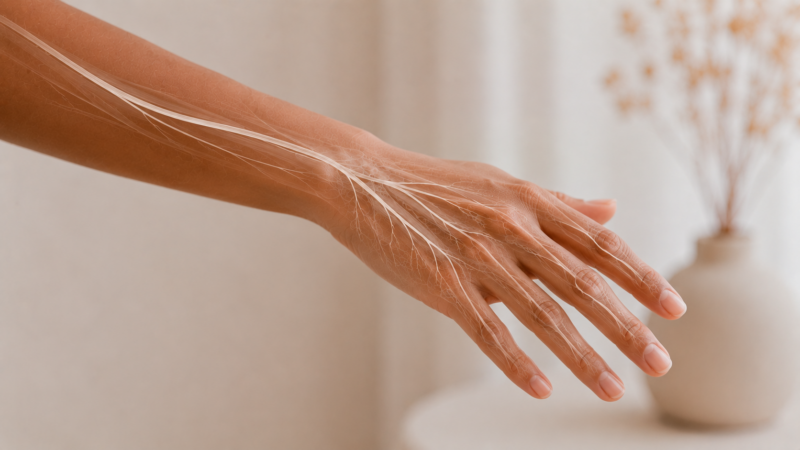

Neuropathic pain is different from typical muscle, joint, or injury pain. It happens when nerves become irritated, compressed, inflamed, or sensitized.
Patients often describe neuropathic pain as burning, electric, tingling, prickling, shooting, or pins and needles. It may feel poorly localized, move from one area to another, or become more intense over time.
Some patients also develop allodynia, where normal sensations such as light touch, clothing, temperature changes, or pressure become painful.
Because nerve pain behaves differently, it requires a different kind of workup.
Why Standard Imaging May Look Normal
Nerve pain does not always show up clearly on an MRI or X-ray. A nerve can be irritated, stretched, inflamed, or stuck to surrounding tissue without appearing visibly damaged on routine imaging.
Pain may also occur only with movement, posture, compression, or tension. A scan taken while the patient is lying still may miss the dynamic irritation that happens during daily activity.
This is why normal imaging does not always rule out neuropathic pain.
Why Diagnostic Blocks Matter
Diagnostic nerve blocks can help identify whether a specific nerve is contributing to the pain pattern.
A small amount of local anesthetic is placed around a targeted nerve or structure. If the burning, electric, or tingling pain improves during the numbing window, that response can help confirm the pain generator.
If the area becomes numb but the original pain remains, the pain may be coming from another location, such as the spine, pelvis, or a more central nerve pathway.
Looking for Systemic Drivers
When neuropathic symptoms are widespread, the workup should also look for systemic causes.
Small fiber neuropathy can cause burning, tingling, hypersensitivity, and migrating pain, but it may require specialized testing such as a skin biopsy. Other contributors may include autoimmune disease, Sjögren’s, mast cell activation, post-viral inflammation, vitamin deficiencies, diabetes, or medication-related nerve irritation.
The goal is not only to calm the nerve pain, but to understand why the nerves are irritated.
Treatment Must Match the Mechanism
Neuropathic pain often responds differently than inflammatory or mechanical pain. Treatment may include targeted nerve medications, IV lidocaine, ketamine therapy, nerve blocks, peripheral nerve stimulation, or treatment of the underlying inflammatory, immune, or structural driver.
Our Approach at MPM
At Manhattan Pain Medicine, we evaluate neuropathic pain through a diagnosis-first lens, helping patients identify whether symptoms are coming from peripheral nerve irritation, small fiber neuropathy, spinal referral, immune activation, central sensitization, or a layered pain pattern.