Neuromodulation
Neuromodulation is an advanced pain treatment category that uses targeted electrical stimulation to change how pain signals are processed by the nervous system. In pain medicine, neuromodulation may include spinal cord stimulation, peripheral nerve stimulation, and dorsal root ganglion stimulation.
At Manhattan Pain Medicine (MPM), neuromodulation NYC care begins with diagnosis-first evaluation. The goal is to understand the pain pathway before considering a stimulator-based treatment. Neuromodulation is not a cure for chronic pain, and it is not appropriate for every patient. It is usually considered only when the diagnosis, symptoms, anatomy, prior treatment response, and safety profile support a trial-based neuromodulation pathway.
How Neuromodulation Helps Modulate Pain Signals
Neuromodulation does not remove a damaged nerve, repair a joint, cure a pelvic condition, or eliminate every pain generator. Instead, it uses electrical stimulation to influence the way pain signals are transmitted or perceived. For selected patients, this may reduce pain intensity, improve function, or support a broader pain management plan.
The key question is whether the patient’s pain pattern matches a pathway that can be targeted with stimulation. This is why MPM evaluates the pain location, nerve distribution, spine findings, pelvic symptoms, prior injection response, imaging, medication history, and functional goals before considering neuromodulation.
Types of Neuromodulation Used in Pain Medicine
Spinal cord stimulation targets pain pathways near the spinal cord. It may be considered for selected spine-related, neuropathic, or complex chronic pain patterns.
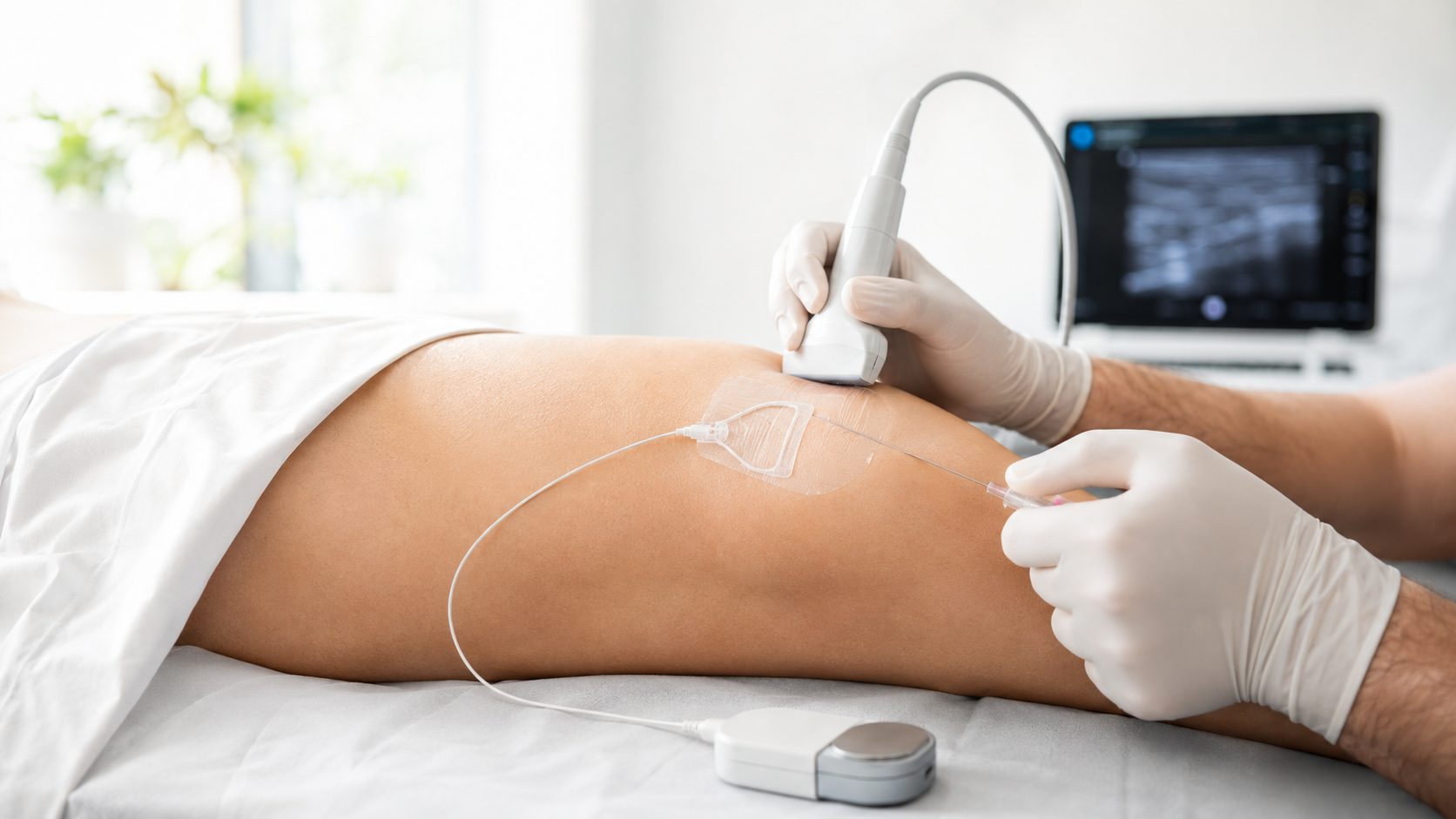
Peripheral nerve stimulation targets a specific peripheral nerve that appears to be contributing to pain. It may be considered when pain is localized to a nerve territory and diagnostic information supports that target.
Dorsal root ganglion stimulation targets sensory nerve structures involved in pain transmission. It may be considered for selected focal or regional pain patterns, including some pelvic or lower extremity nerve-related pain presentations.
These treatments are not interchangeable. MPM determines which option may be most appropriate based on the diagnosis, anatomy, pain distribution, prior response, and patient goals.
Neuromodulation for Pelvic Pain and Pudendal Neuralgia
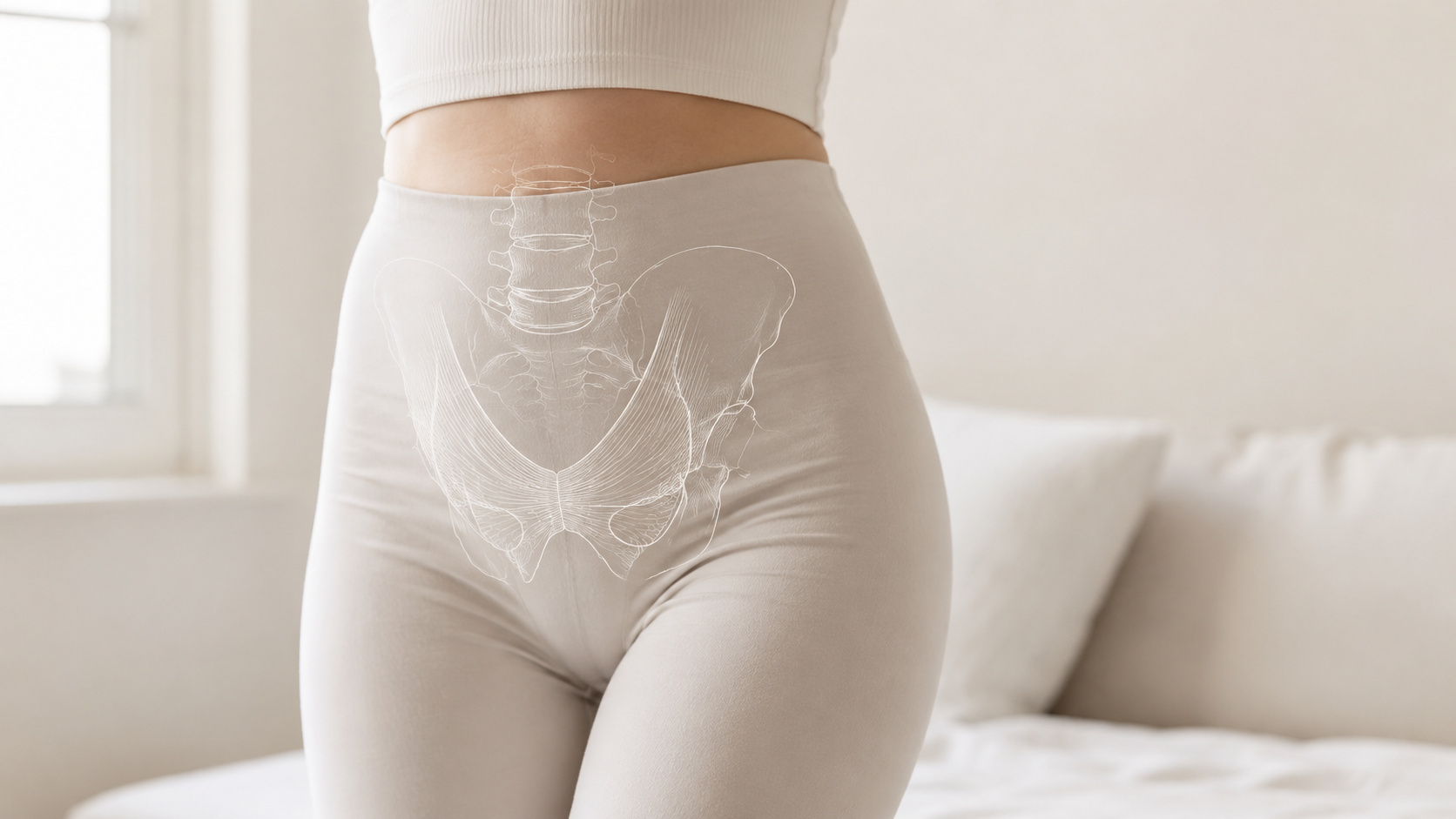
Neuromodulation may be considered for selected patients with chronic pelvic pain, pudendal neuralgia, pelvic floor dysfunction overlap, pelvic dystonia, or PGAD-related symptoms when symptoms appear to involve nerve-related or neuromodulatory pathways and other treatments have not provided enough relief.
Pelvic pain can have multiple overlapping contributors, including pelvic floor muscle dysfunction, pudendal nerve irritation, endometriosis, orthopedic mechanics, spine-related pain, central sensitization, autonomic features, and psychological distress from persistent symptoms. MPM evaluates these contributors before determining whether peripheral nerve stimulation, DRG stimulation, spinal cord stimulation, nerve blocks, pelvic floor therapy, medication management, pain psychology, or another approach may be more appropriate.
The Neuromodulation Trial Process
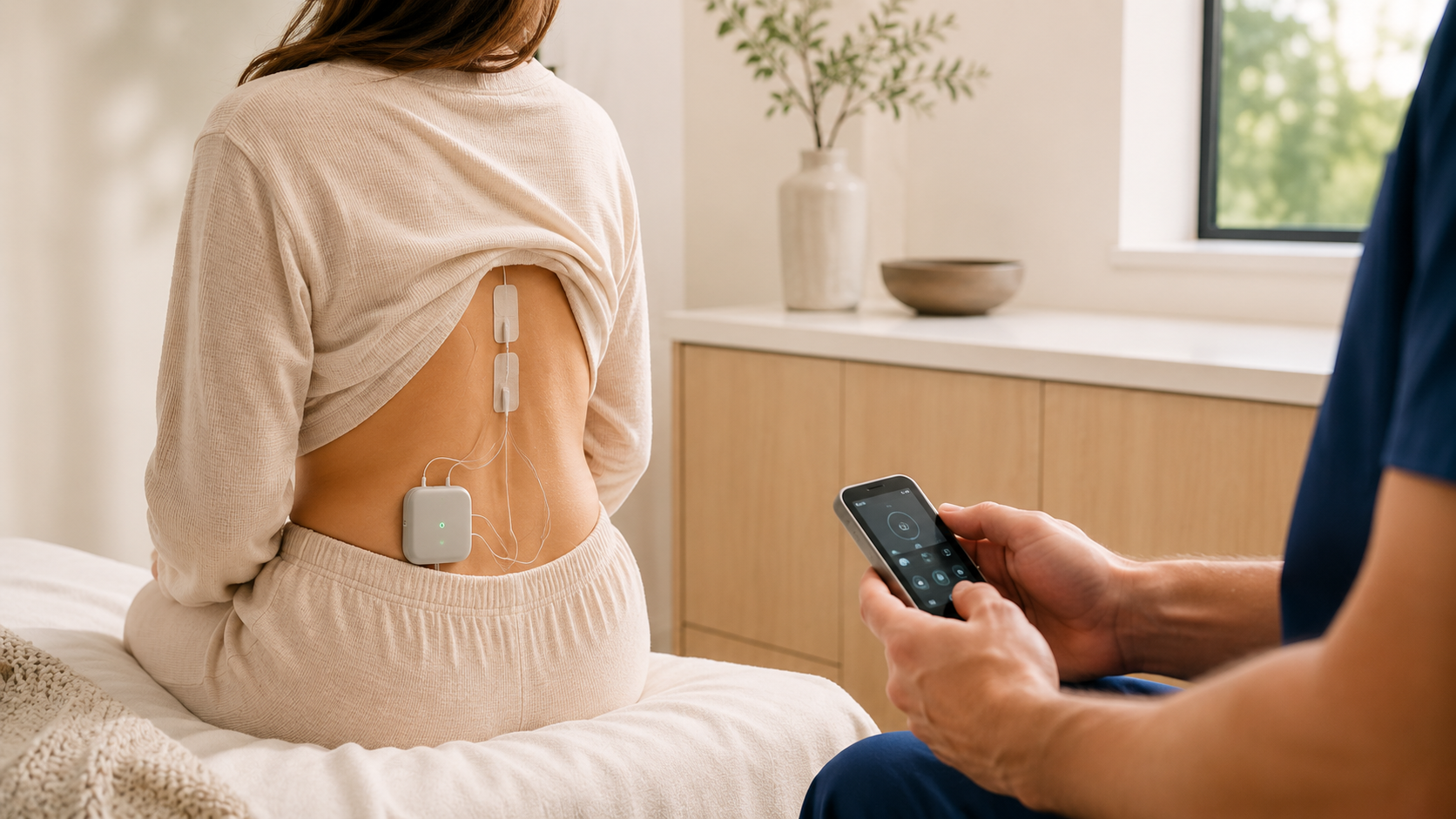
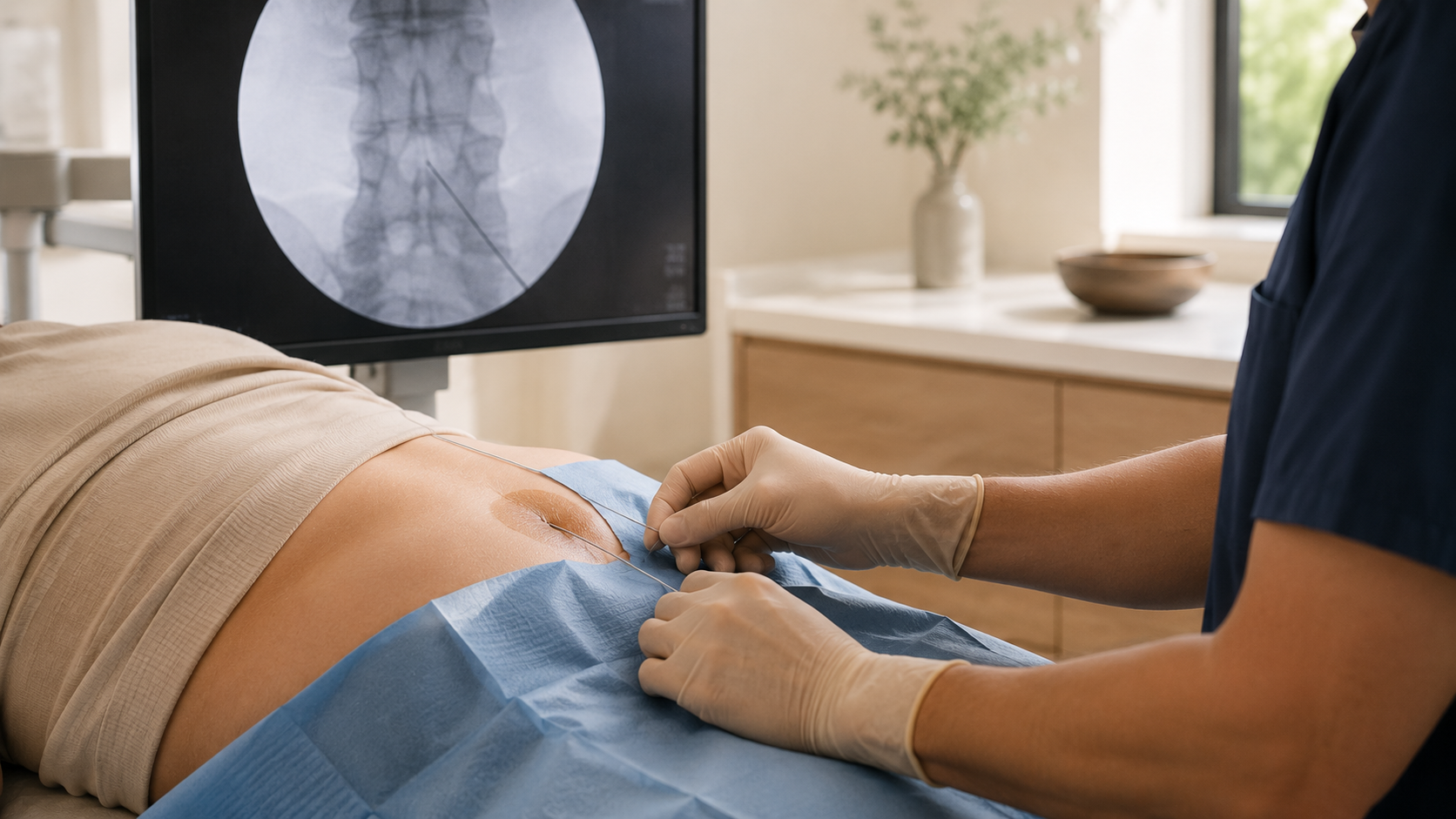
A neuromodulation trial is typically performed before permanent implantation. During the trial, temporary leads are placed near the target pain pathway and connected to an external device. The patient then tracks pain relief, function, comfort, stimulation coverage, sleep, activity tolerance, and side effects.
A successful trial usually means the patient experiences meaningful improvement in pain or function with tolerable stimulation and acceptable safety. The exact threshold for success depends on the patient’s goals, diagnosis, functional limitations, and clinical context. If the trial is successful, permanent implantation may be discussed. If the trial does not help, permanent implantation is usually not recommended.
Neuromodulation vs. Nerve Blocks, Injections, Medication, and Surgery
Neuromodulation is usually considered after less invasive treatments have been evaluated. These may include medication management, physical therapy, pelvic floor therapy, nerve blocks, sympathetic blocks, epidural injections, nerve hydrodissection, pain psychology, biofeedback, or other procedures.
Nerve blocks may provide diagnostic information and temporary relief. Injections may reduce inflammation or target specific pain generators. Medication may help reduce nerve sensitivity, inflammation, or associated symptoms. Surgery may be needed when structural disease is the primary driver. Neuromodulation fits into this sequence when the pain pathway appears appropriate for stimulation and other options have not provided enough relief.
Psychological Readiness and Coordinated Care
Neuromodulation involves a trial, possible implantation, programming, follow-up, and long-term device management. For this reason, psychological readiness and functional goals matter. Chronic pain can affect sleep, mood, trauma responses, fear of movement, and daily function. Pain psychology or behavioral health support may help patients prepare for the process and improve long-term coping and adjustment.
MPM may coordinate neuromodulation planning with medication management, rehabilitation, pelvic floor therapy, pain psychology, imaging review, procedural care, and specialist input when needed.
Risks and Long-Term Considerations
Neuromodulation may require imaging review, psychological screening, medical clearance, infection risk review, medication review, insurance authorization, and long-term follow-up. Device-related care may include programming adjustments, battery management, monitoring for lead issues, and evaluation if symptoms change.
Risks may include pain flare, infection, bleeding, lead migration, lead fracture, device malfunction, uncomfortable stimulation, loss of benefit, implant site pain, need for reprogramming, battery replacement, revision surgery, nerve irritation, dural puncture headache, rare neurologic injury, incomplete relief, or no relief.
Patients should seek urgent evaluation for fever, wound drainage, spreading redness, severe swelling, new weakness, new numbness, bowel or bladder dysfunction, saddle anesthesia, severe headache after a procedure, chest pain, shortness of breath, severe allergic reaction, rapidly worsening pain, device-related burning or shocking sensation, or new neurological symptoms.
For selected patients, neuromodulation may be an important part of an advanced chronic pain plan. MPM’s role is to determine whether the pain pathway is appropriate, whether the patient is ready for a trial, and how stimulation fits within a coordinated, diagnosis-first care plan.