Sacroiliac Joint Fixation and Fusion
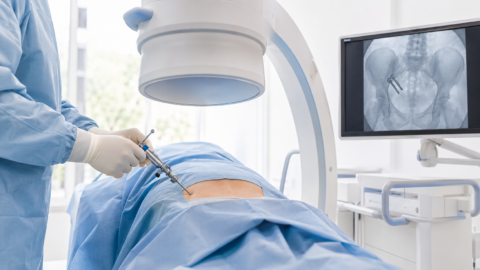
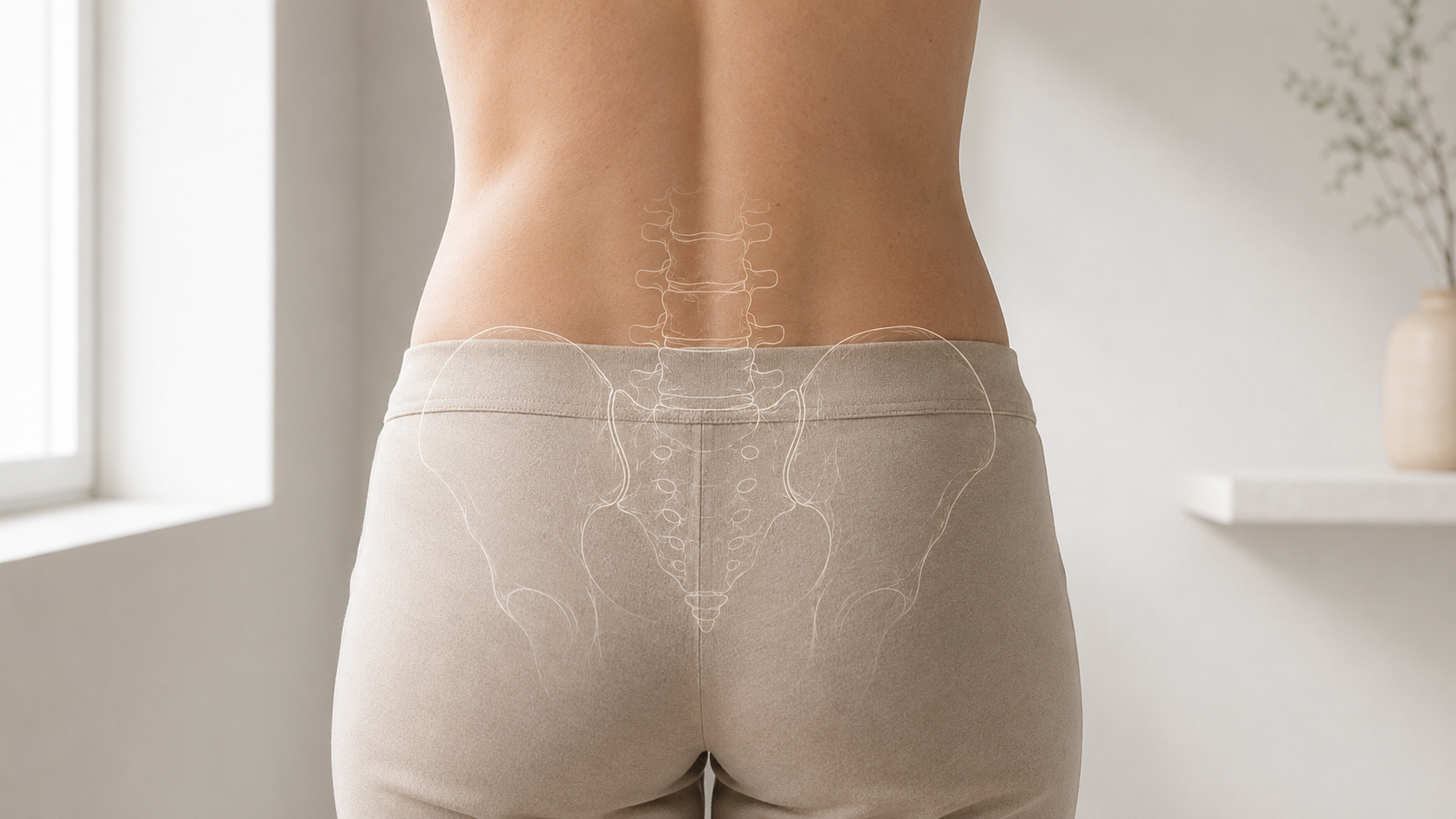
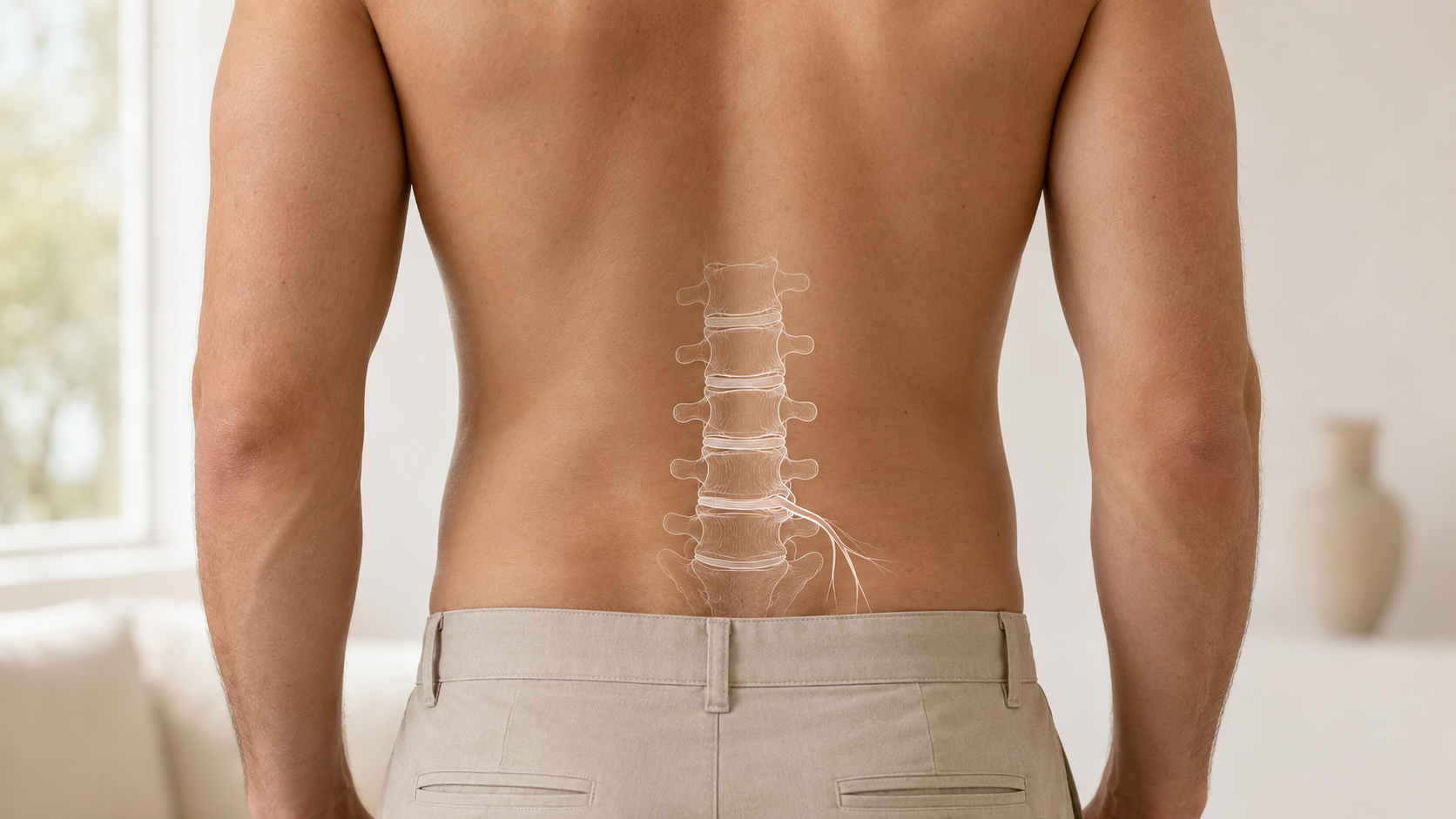
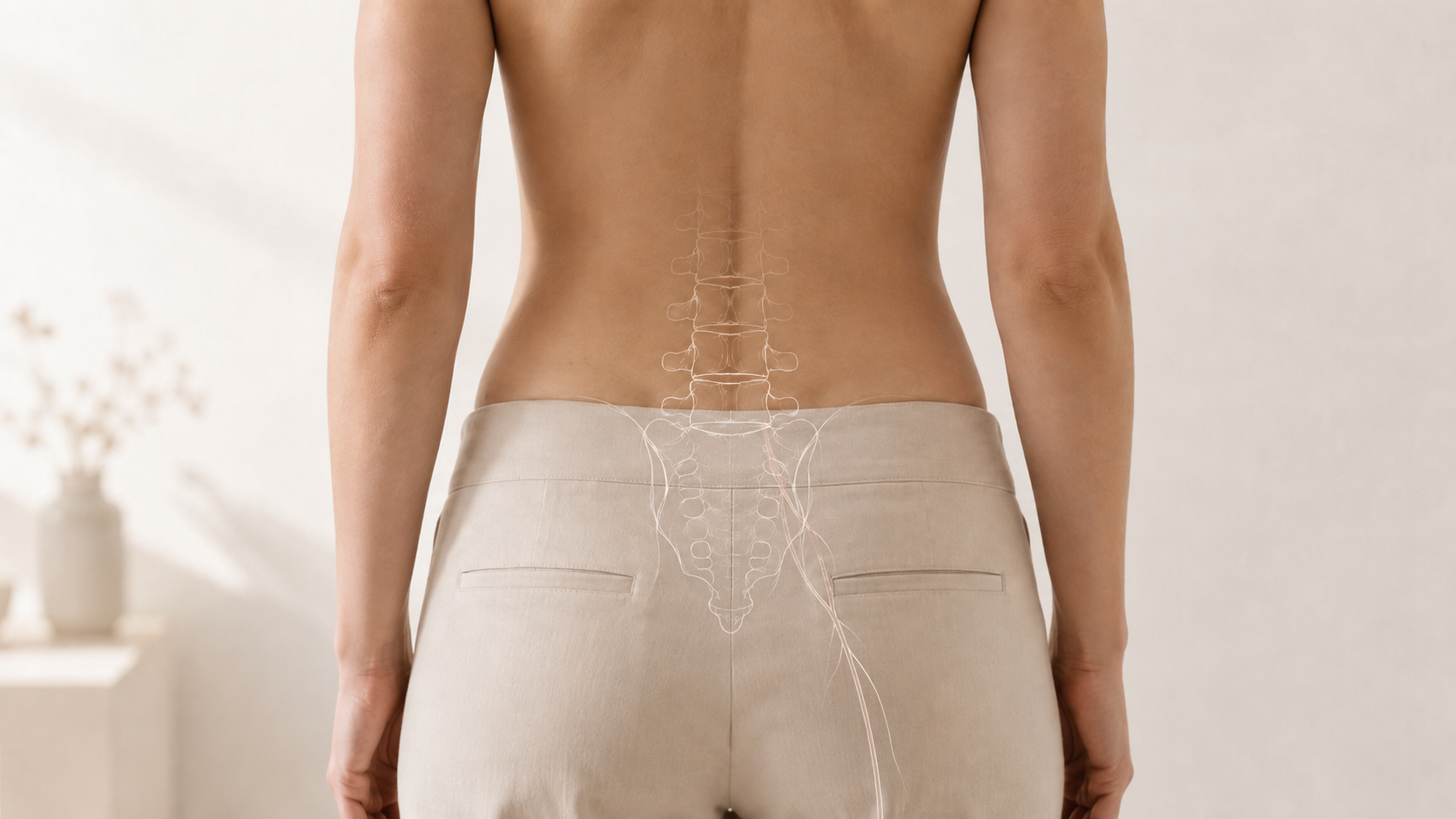
Sacroiliac joint fixation and fusion are advanced treatment options for selected patients with persistent sacroiliac joint pain, SI joint dysfunction, or SI joint instability that has not improved with appropriate non-surgical care. The sacroiliac joint, also called the SI joint, connects the sacrum at the base of the spine to the ilium of the pelvis. It helps transfer load between the spine, pelvis, and legs.
At Manhattan Pain Medicine (MPM), sacroiliac joint fusion NYC evaluation begins with diagnosis-first care. The most important question is not whether surgery is available. The most important question is whether the SI joint is truly the primary pain generator.
Why SI Joint Pain Must Be Confirmed
SI joint pain can feel like lower back pain, buttock pain, hip pain, groin pain, pelvic-region pain, or pain that travels into the thigh. It can be confused with lumbar disc disease, sciatica, facet arthropathy, spinal stenosis, hip pathology, cluneal neuralgia, pelvic floor dysfunction, inflammatory sacroiliitis, scoliosis, spondylolisthesis, or hypermobility-related instability.
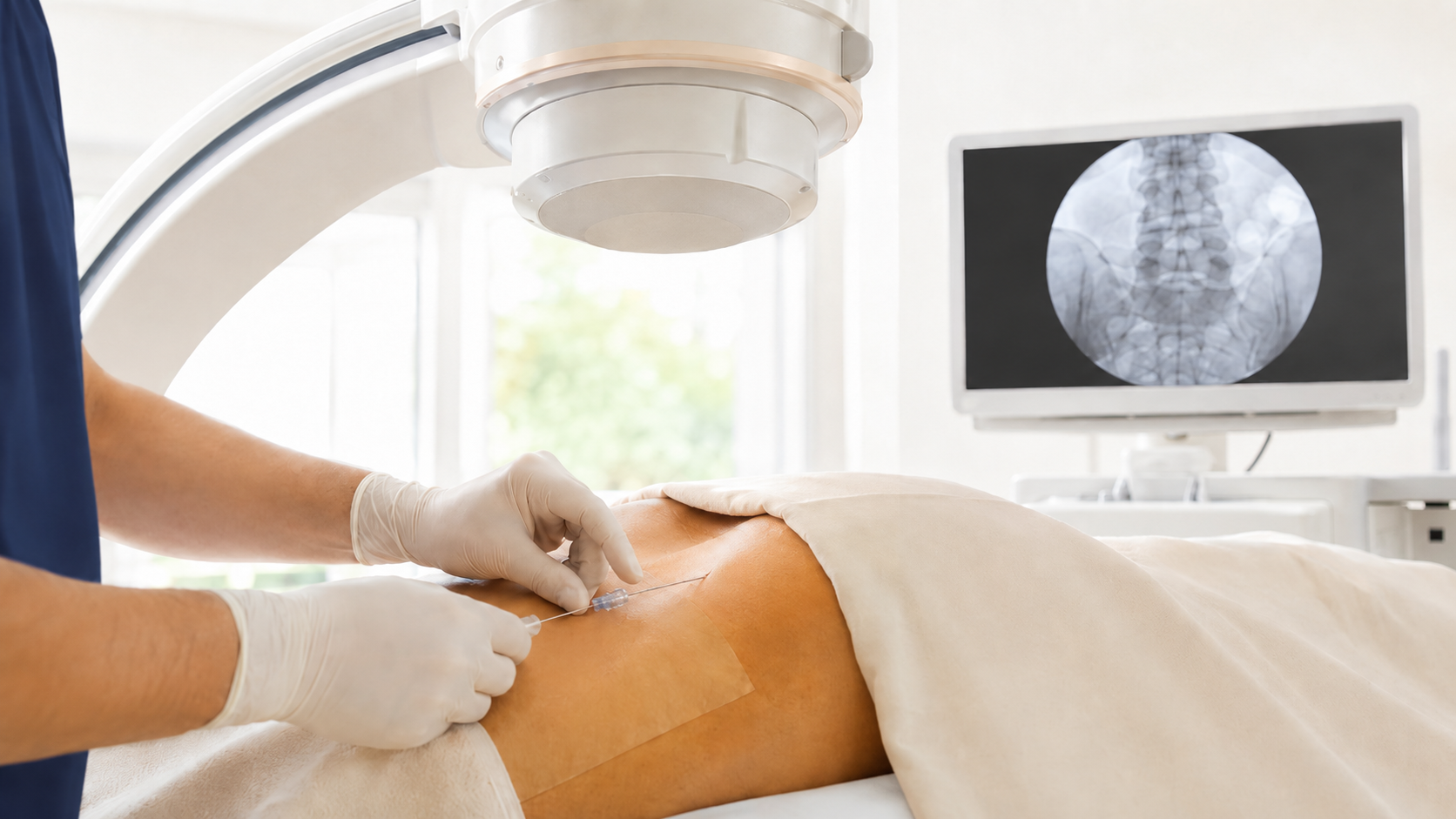
Because symptoms overlap, imaging alone may not fully confirm that the SI joint is responsible for pain. MPM reviews the pain pattern, provocative exam findings, imaging, functional limitations, prior treatments, and response to diagnostic SI joint injections when available. This helps determine whether the SI joint is likely to be the main source of symptoms or one contributor within a more complex pain picture.
When Fixation or Fusion May Be Considered
SI joint fixation or fusion may be considered when the SI joint has been confirmed as a meaningful pain generator and non-surgical treatment has not provided enough improvement. Non-surgical care may include physical therapy, bracing, medication management, activity modification, SI joint injections, spine injections, rheumatology care, pelvic pain care, prolotherapy, PRP, or regenerative medicine when appropriate.
Fixation generally refers to stabilizing the SI joint, while fusion aims to create long-term bony union between the sacrum and ilium. The exact procedure, device, and approach are determined by the surgical specialist. MPM’s role is to help confirm the diagnosis, review treatment sequencing, and coordinate referral when surgical evaluation may be appropriate.
SI Joint Fusion and Hypermobility
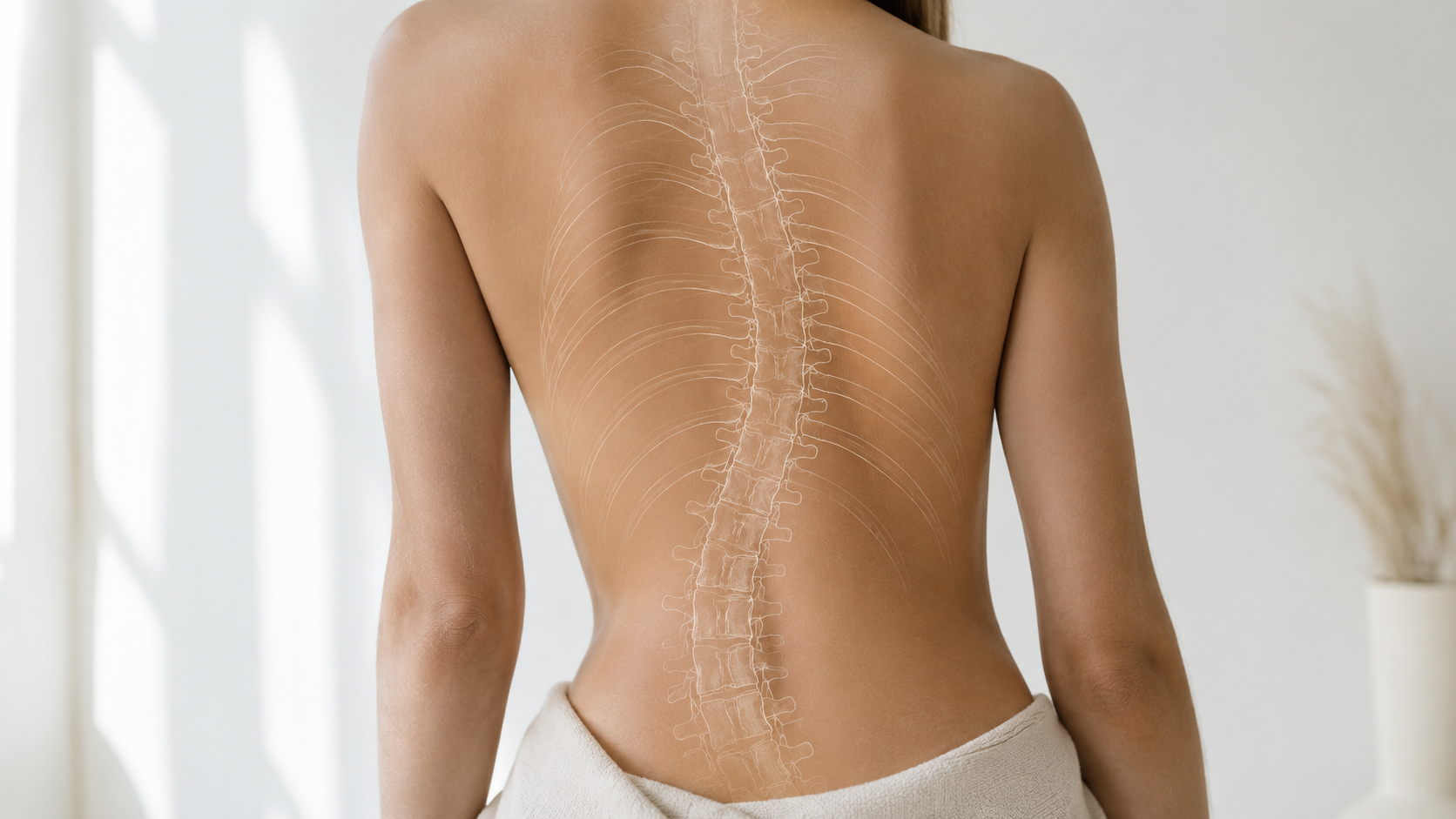
Patients with hypermobility, EDS, joint instability, anterior pelvic tilt, scoliosis, or pelvic mechanics issues require especially careful assessment. In these patients, the SI joint may be painful because of instability, compensation, muscle guarding, spine mechanics, hip mechanics, or ligamentous laxity. At the same time, pain may also come from other joints, nerves, muscles, or centralized pain mechanisms.
Surgery may help selected patients when the SI joint is clearly involved, but it does not cure hypermobility or EDS. It also may not address pain from other unstable joints, spine conditions, pelvic floor dysfunction, nerve irritation, or chronic pain sensitization. MPM evaluates the full pattern before recommending surgical coordination.
How SI Joint Fusion Compares With Other Treatments
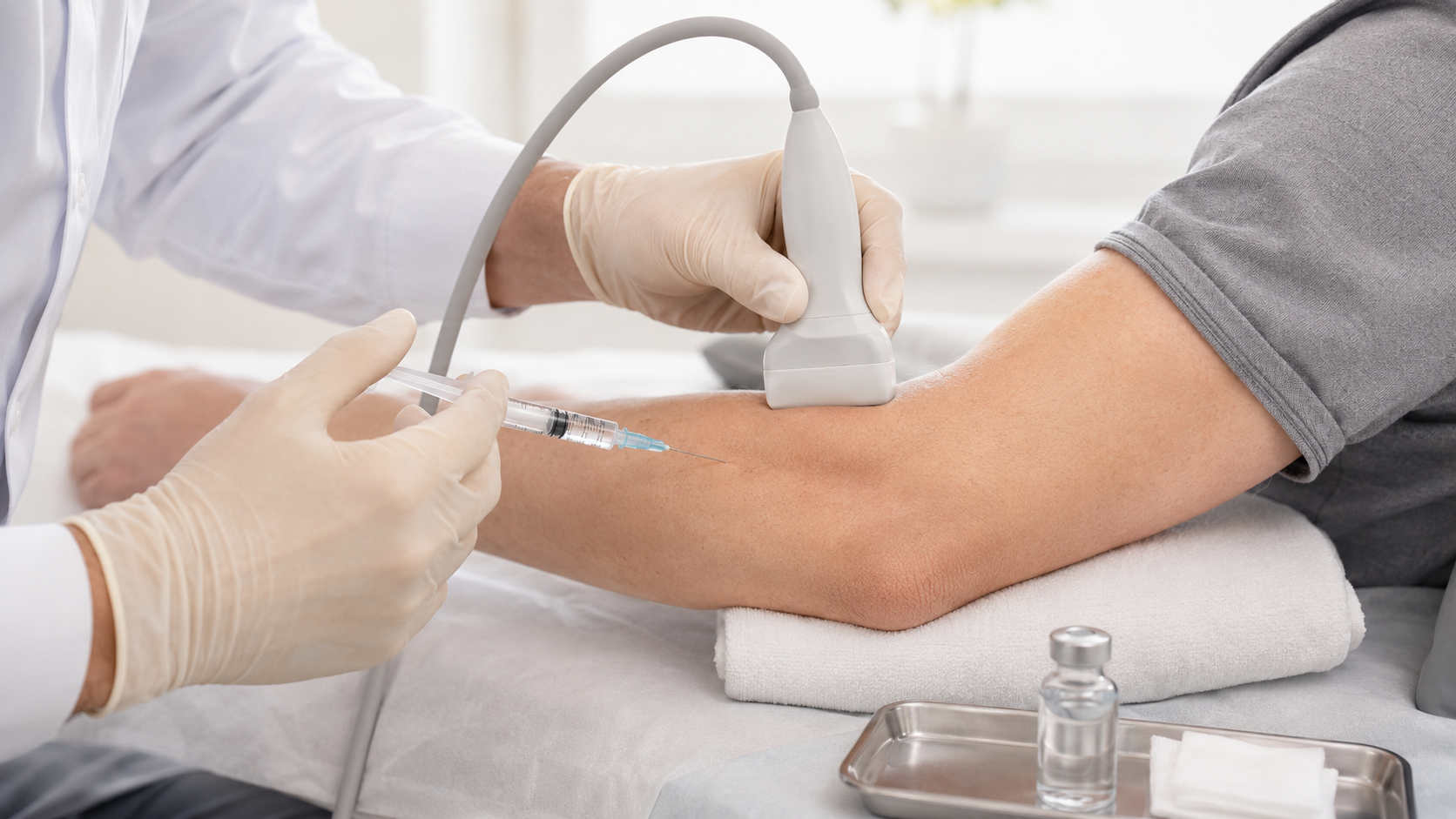
SI joint injections can help confirm the pain source and may reduce inflammation temporarily. Prolotherapy and PRP may be considered for selected instability-related or musculoskeletal pain patterns. Regenerative medicine may be appropriate in certain cases when the diagnosis and tissue target support it. Spine injections may be more appropriate when symptoms are related to disc disease, facet pain, or nerve root irritation.
SI joint fusion is a more advanced option and carries surgical risks. It should generally be considered only when less invasive treatments have been reviewed and the diagnostic evidence supports the SI joint as the primary pain generator.
Risks, Limits, and Realistic Expectations
SI joint fixation or fusion is not appropriate for every patient. Surgery may not be recommended when the pain generator is unclear, symptoms are widespread or better explained by another condition, medical risks are uncontrolled, infection is present, bone healing risk is high, or the expected benefit does not outweigh the risk.
Possible risks include infection, bleeding, anesthesia complications, persistent pain, new or worsening pain, implant-related issues, nonunion or incomplete fusion, adjacent pain, nerve or vascular injury, limited SI joint motion, rehabilitation demands, and need for revision surgery. Even when surgery is technically successful, some patients may still have pain from the spine, hip, nerves, muscles, inflammation, pelvic floor, or central sensitization.
When Urgent Evaluation Is Needed
Patients should seek urgent evaluation for fever, wound drainage, spreading redness, severe swelling, new weakness, new numbness, bowel or bladder dysfunction, saddle anesthesia, severe back or pelvic pain after trauma, sudden inability to walk, severe abdominal or pelvic pain, suspected infection, chest pain, shortness of breath, blood clot symptoms, or rapidly worsening symptoms.
For selected patients, SI joint fixation or fusion may be an important part of care. MPM’s role is to help determine whether the SI joint has been confirmed as the correct target, whether non-surgical options have been appropriately considered, and whether surgical coordination fits the patient’s broader diagnosis-first care plan.