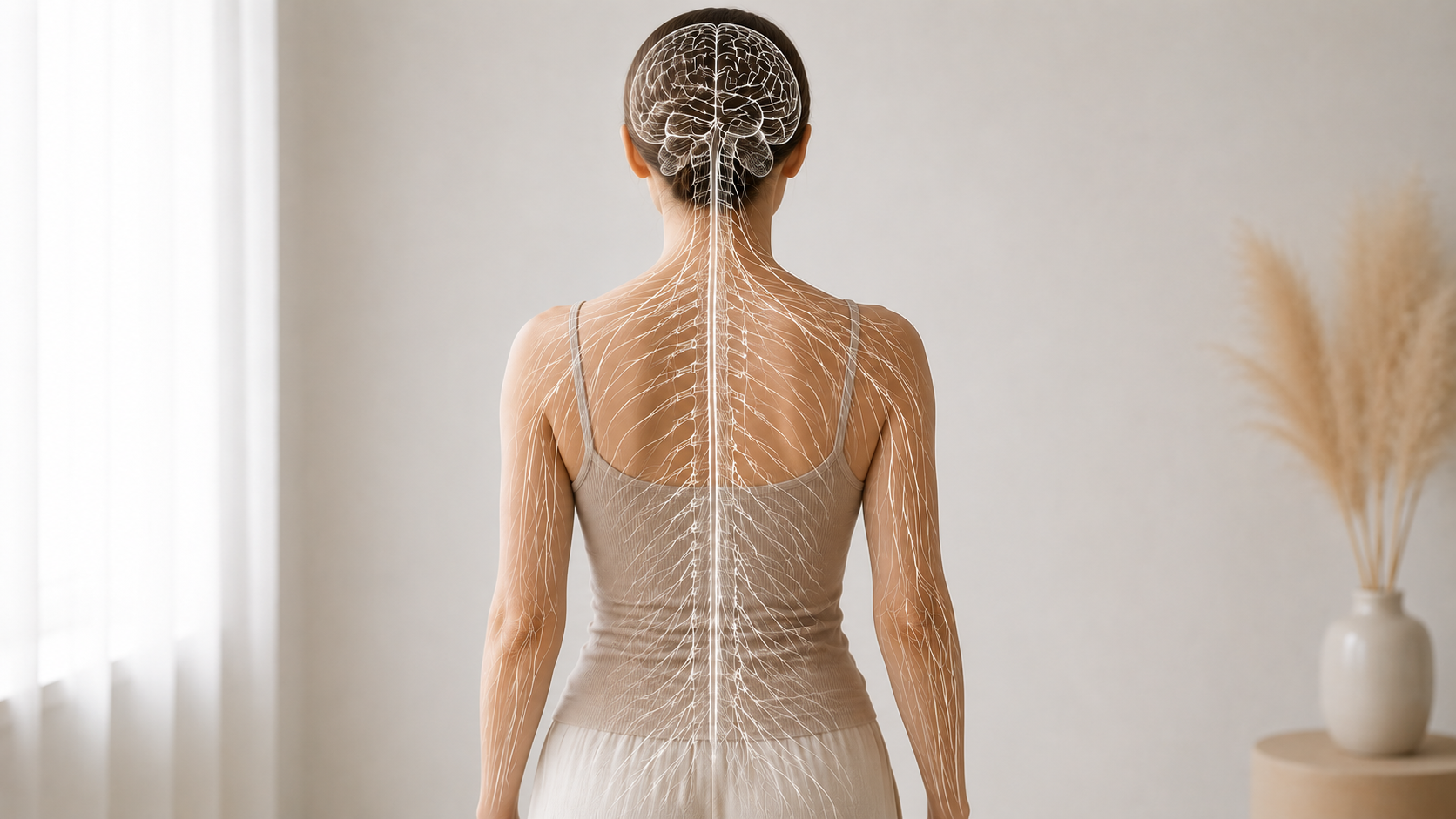
Autonomic dysfunction, also called dysautonomia, refers to dysregulation of the body’s automatic nervous system. This system controls functions that should happen without conscious effort, including heart rate, blood pressure, digestion, sweating, temperature regulation, and stress response.
The autonomic nervous system includes the sympathetic nervous system, often described as fight or flight, and the parasympathetic nervous system, often described as rest and digest. When these systems fall out of balance, the body may feel trapped in a state of physiologic alarm, with symptoms that can affect multiple systems at once.
Why Dysautonomia Happens
At Manhattan Pain Medicine, we do not treat dysautonomia as a standalone label. We look for the reason the autonomic nervous system is dysregulated. In many patients, dysautonomia is driven by an underlying structural, neurologic, inflammatory, immune, or pain-related process.
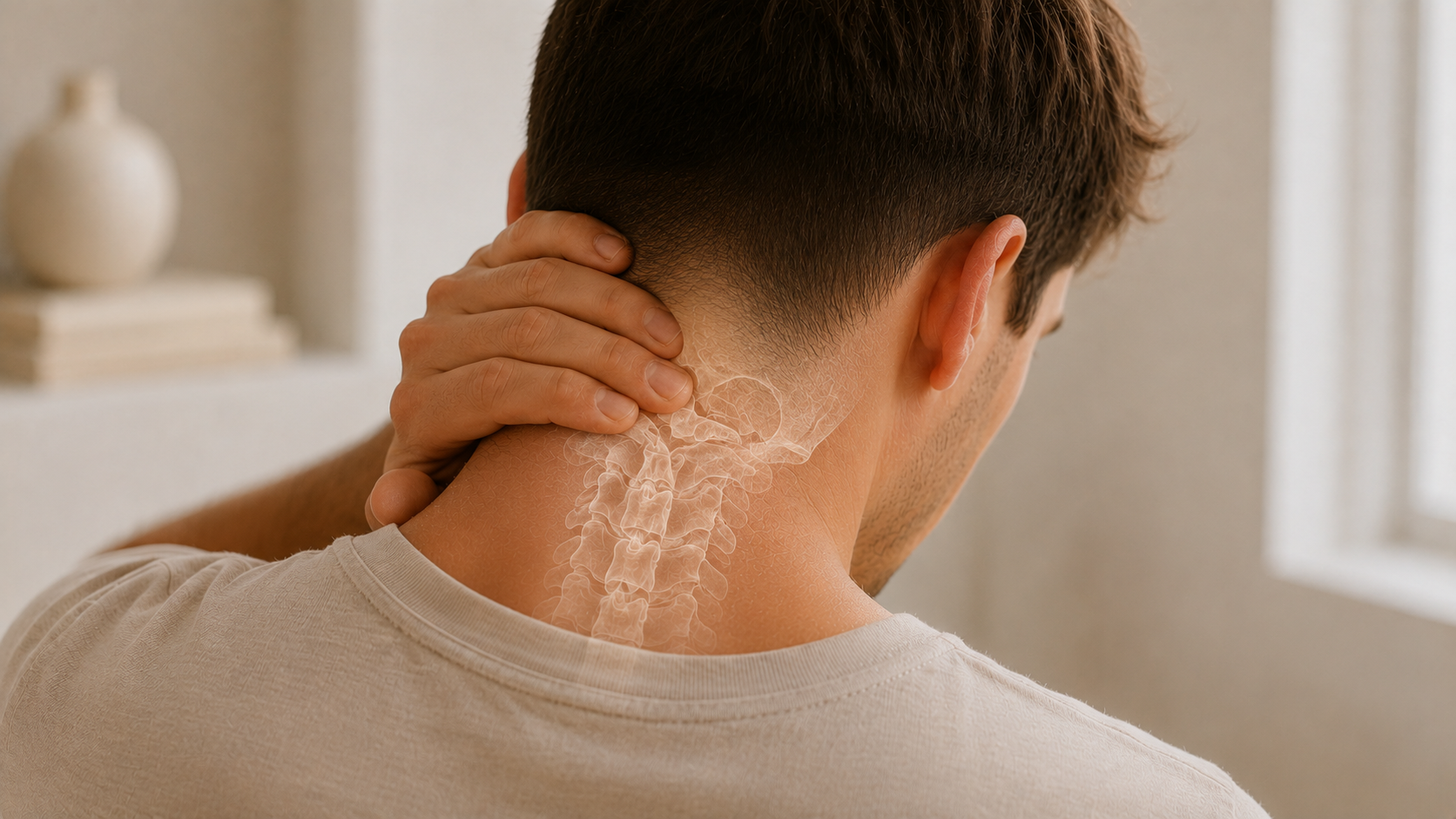
Hypermobility and connective tissue laxity can contribute to blood pooling because blood vessels may not provide enough resistance against gravity. Craniocervical instability can place mechanical stress on the head-neck junction, potentially affecting the vagus nerve and sympathetic chain. Small fiber neuropathy can impair autonomic nerve fibers involved in temperature regulation, sweating, and vascular control. Visceral pain, inflammatory disease, post-viral syndromes, mast cell activation, and chronic pain sensitization can also keep the nervous system in a high-alert state.
Common Clinical Patterns
POTS and Orthostatic Intolerance
Postural Orthostatic Tachycardia Syndrome, or POTS, is one of the most common dysautonomia patterns. Patients may experience rapid heart rate, dizziness, fatigue, brain fog, shakiness, sweating, or a sense of internal alarm when standing. In some patients, this is related to blood pooling. In others, it may reflect sympathetic overactivity, volume dysregulation, adrenal or hormonal contributors, small fiber neuropathy, or a combination of factors.
Digestive Dysregulation
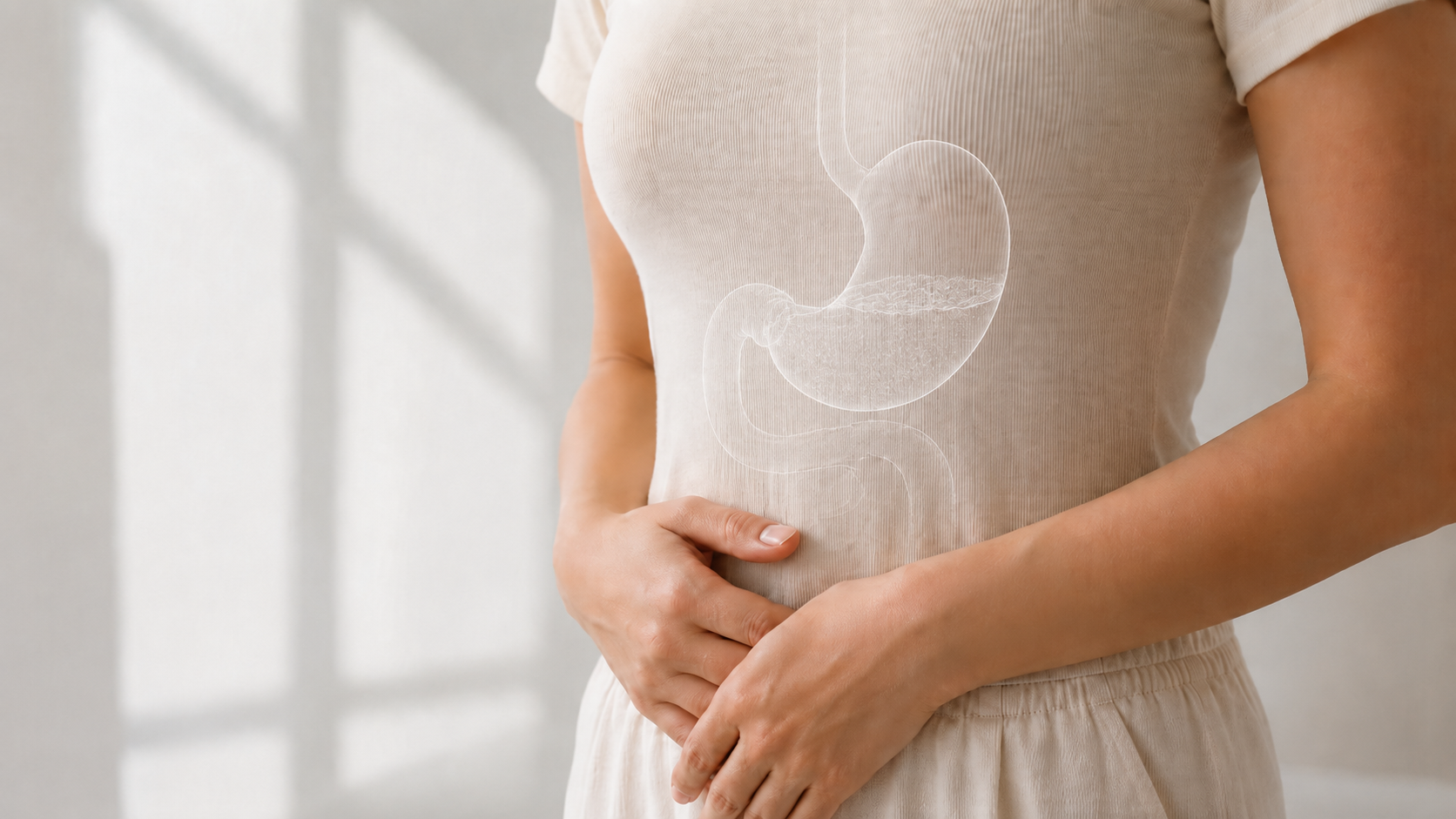
The autonomic nervous system also regulates digestion. When sympathetic tone is high or parasympathetic signaling is disrupted, patients may develop nausea, reflux, constipation, bloating, delayed stomach emptying, or symptoms consistent with gastroparesis. In some patients, the digestive symptoms are part of the same autonomic pattern as dizziness, fatigue, and heart rate instability.
Body Anxiety
Many patients describe a feeling of anxiety that does not feel purely emotional. The body may surge with adrenaline, heat, sweating, shakiness, racing heart, or panic-like sensations. At MPM, we often explain this as a physiologic autonomic surge. The experience is real, but the driver may be the nervous system rather than a primary psychiatric condition.
Discovery
The first step is to understand the pattern. We ask what symptoms appear, when they happen, what triggers them, what relieves them, and what other pain or systemic conditions are present. We may assess orthostatic vitals by tracking blood pressure and pulse across lying, sitting, and standing positions.
We also look for underlying drivers. This may include evaluating hypermobility, craniocervical instability, small fiber neuropathy, autoimmune disease, mast cell activation, post-viral syndromes, visceral pain, chronic migraine, pelvic pain, or other sources of nervous system sensitization.
In selected cases, diagnostic interventions can help clarify the role of the sympathetic nervous system. For example, an intravenous lidocaine challenge or a targeted sympathetic block may provide useful information when symptoms are being maintained by a hyperactive sympathetic response.
Treatment
Treatment depends on the reason the autonomic system is dysregulated. The goal is to calm the overactive signals, support the body’s ability to regulate itself, and address the underlying drivers when possible.
- Medication management: Sympatholytic medications such as beta blockers, clonidine, or related medications may be used when sympathetic tone is excessive. Volume support may be considered when blood pooling or low circulating volume contributes to symptoms.
- Sympathetic nerve blocks: Stellate ganglion blocks, lumbar sympathetic blocks, celiac plexus blocks, superior hypogastric plexus blocks, or ganglion impar blocks may be considered when sympathetic overactivity or visceral dysregulation is contributing to symptoms.
- Autonomic rehabilitation: Physical rehabilitation may begin in supported or horizontal positions to reduce gravitational stress. Patients may work gradually toward upright tolerance while tracking delayed crashes that can occur 24 to 48 hours after activity.
- Pain psychology and biofeedback: Biofeedback, somatic processing, vagal nerve strategies, and pain psychology can help patients learn to steer autonomic tone and distinguish emotional anxiety from physiologic autonomic surges.
- Treating underlying drivers: When dysautonomia is being driven by hypermobility, craniocervical instability, small fiber neuropathy, immune dysfunction, visceral pain, migraine, or another pain generator, the treatment plan must address that driver rather than only treating symptoms.
Maintenance
Maintenance begins when the patient understands the pattern, the major drivers have been identified, and the nervous system is more stable. The goal is not simply to avoid symptoms, but to build body literacy and a practical plan for managing flares.
Patients may learn how to pace activity, take supine breaks, elevate the legs, track delayed responses to exertion, use medications or procedures appropriately, and recognize when symptoms represent a temporary autonomic flare versus a new or worsening problem.
For many patients, understanding the why behind dysautonomia is itself a turning point. When patients can connect symptoms to a physiologic process, the experience often becomes less frightening and easier to manage.