Hypermobility

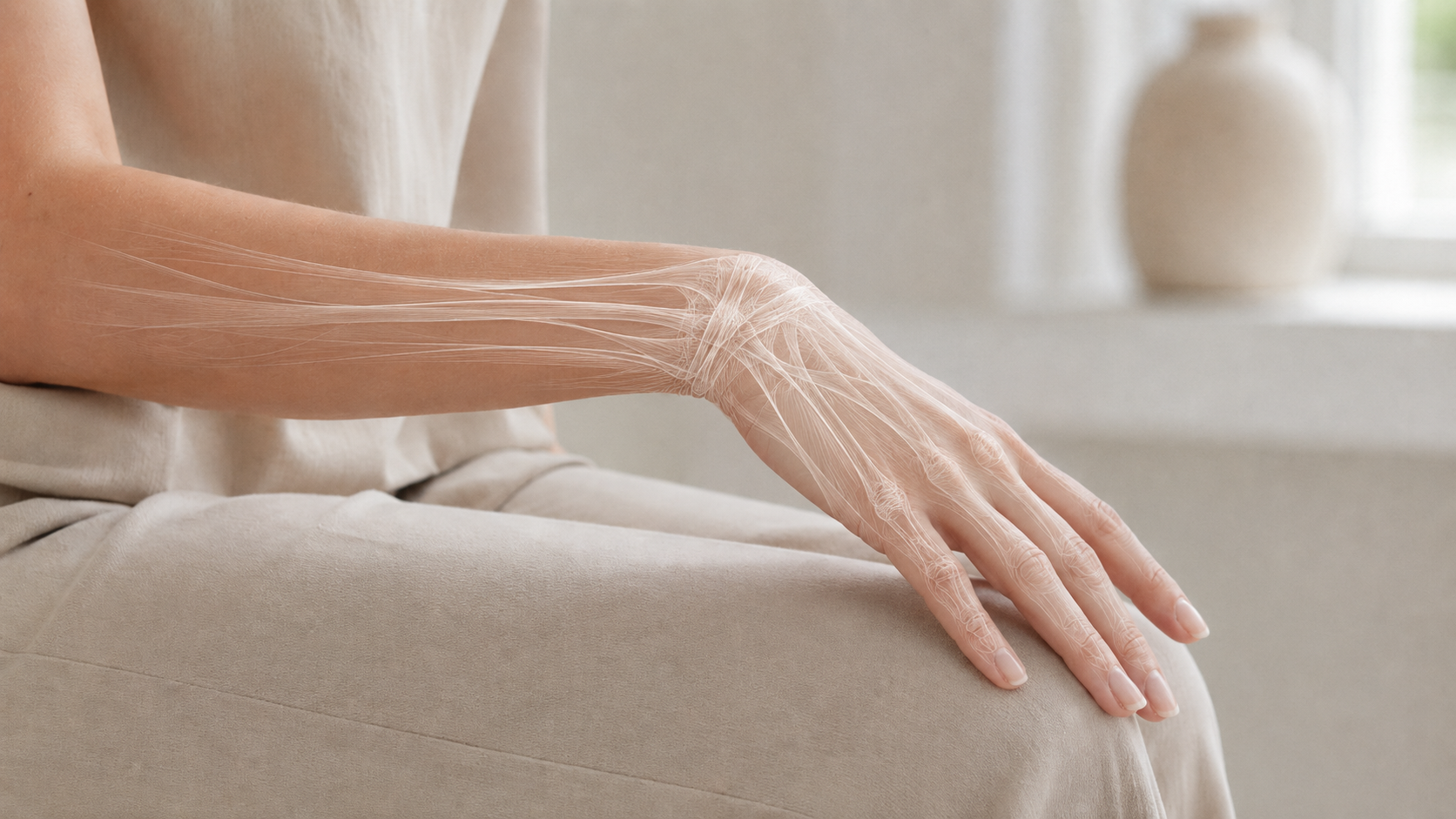
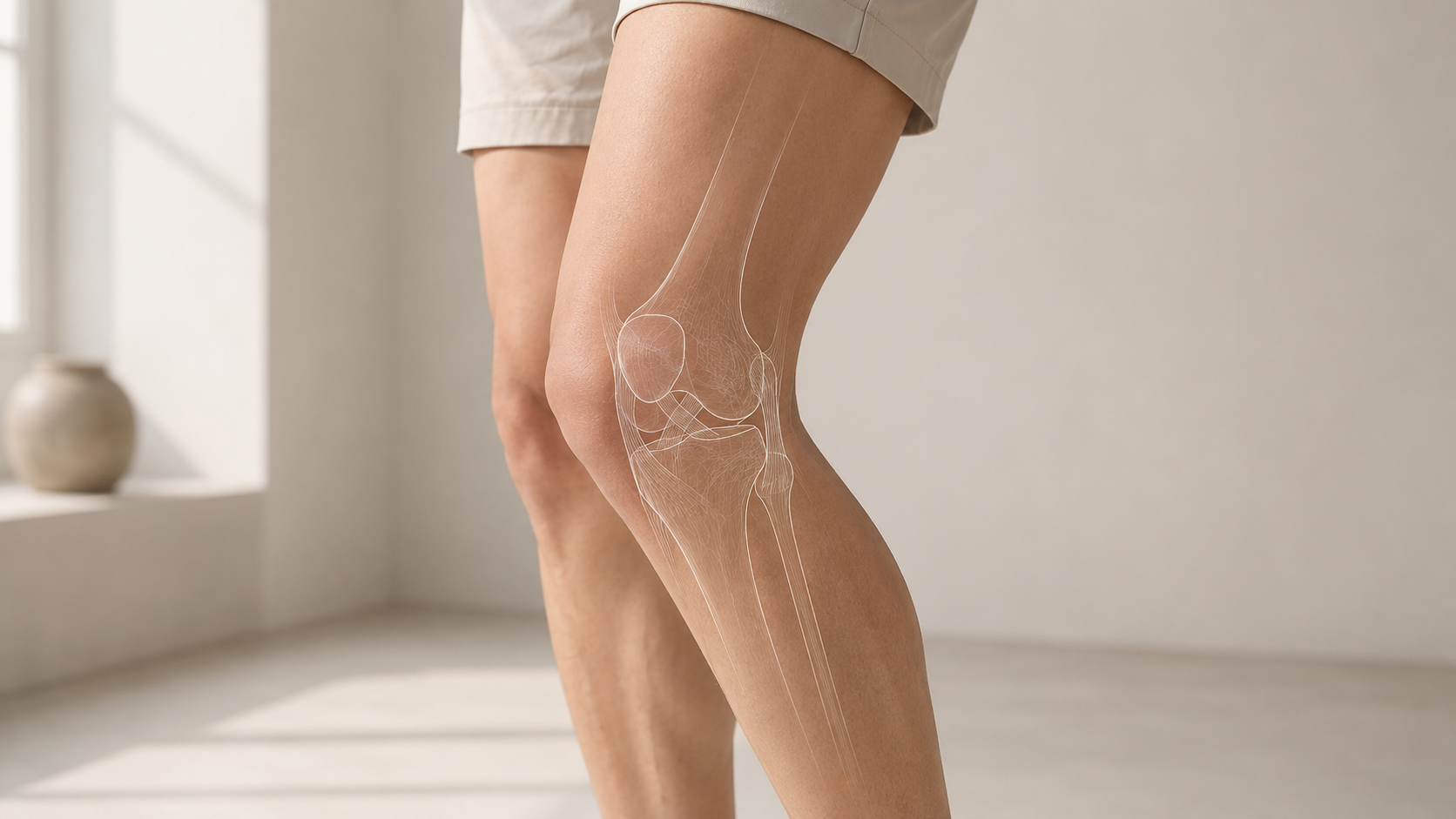
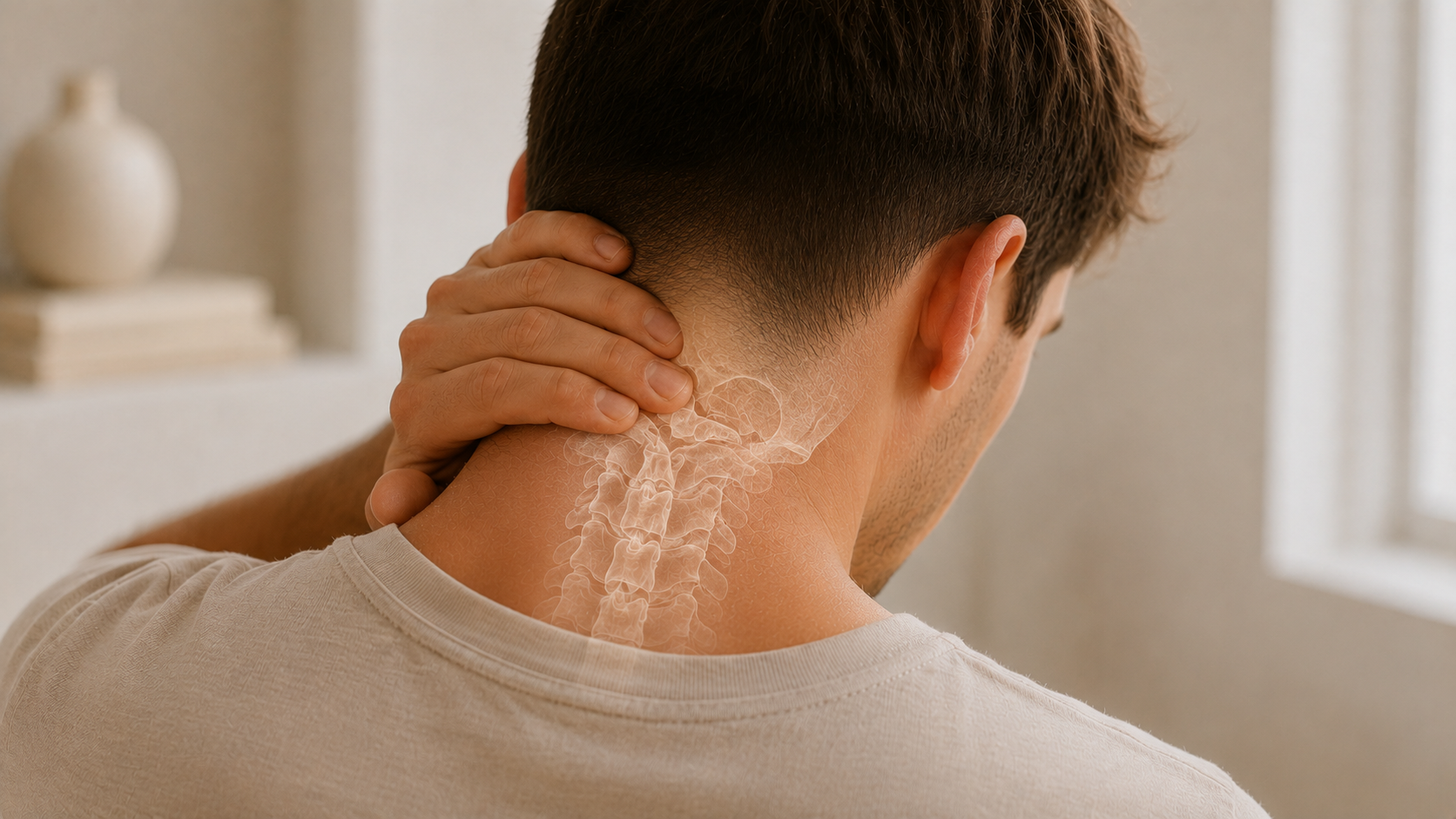
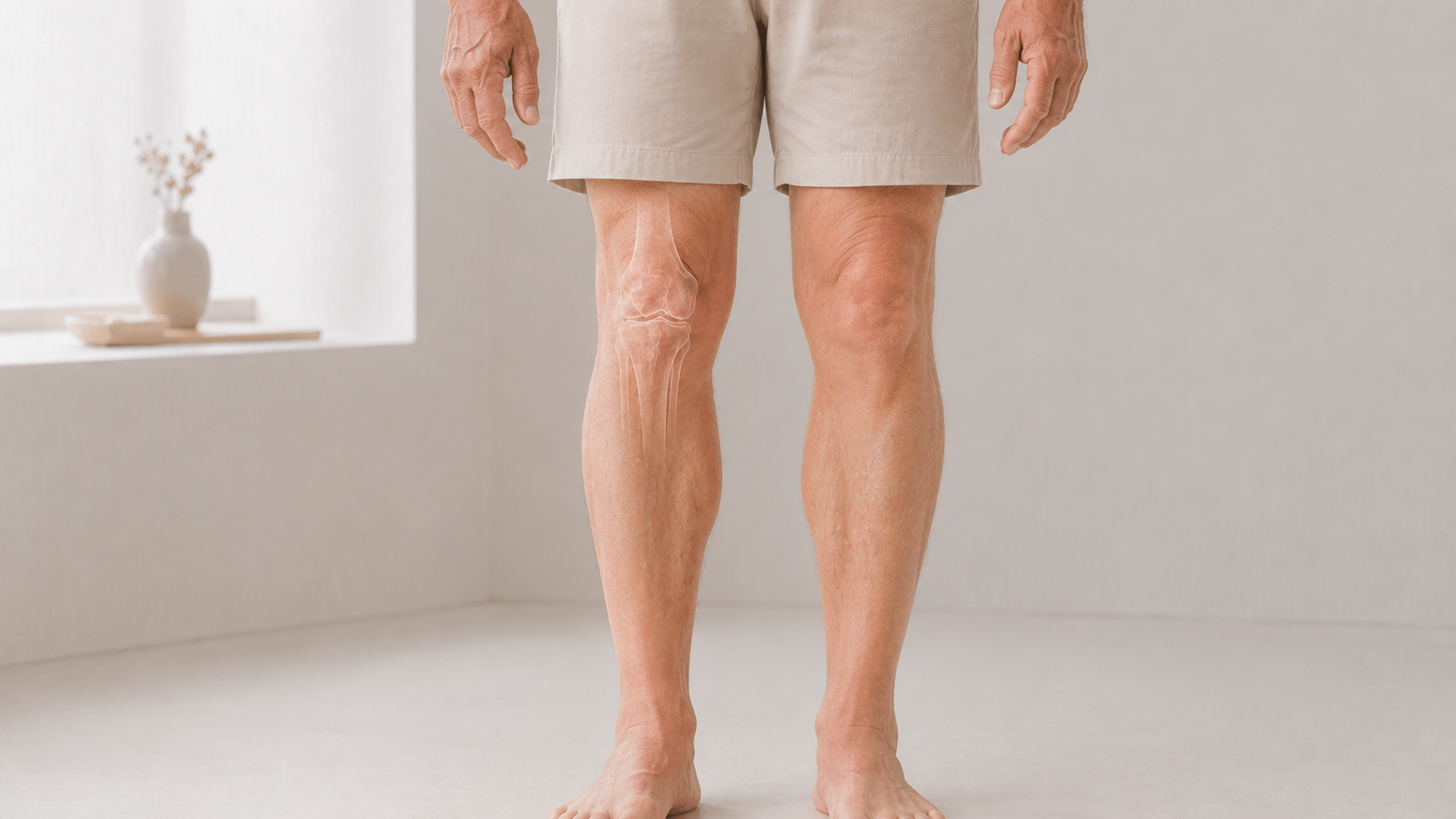
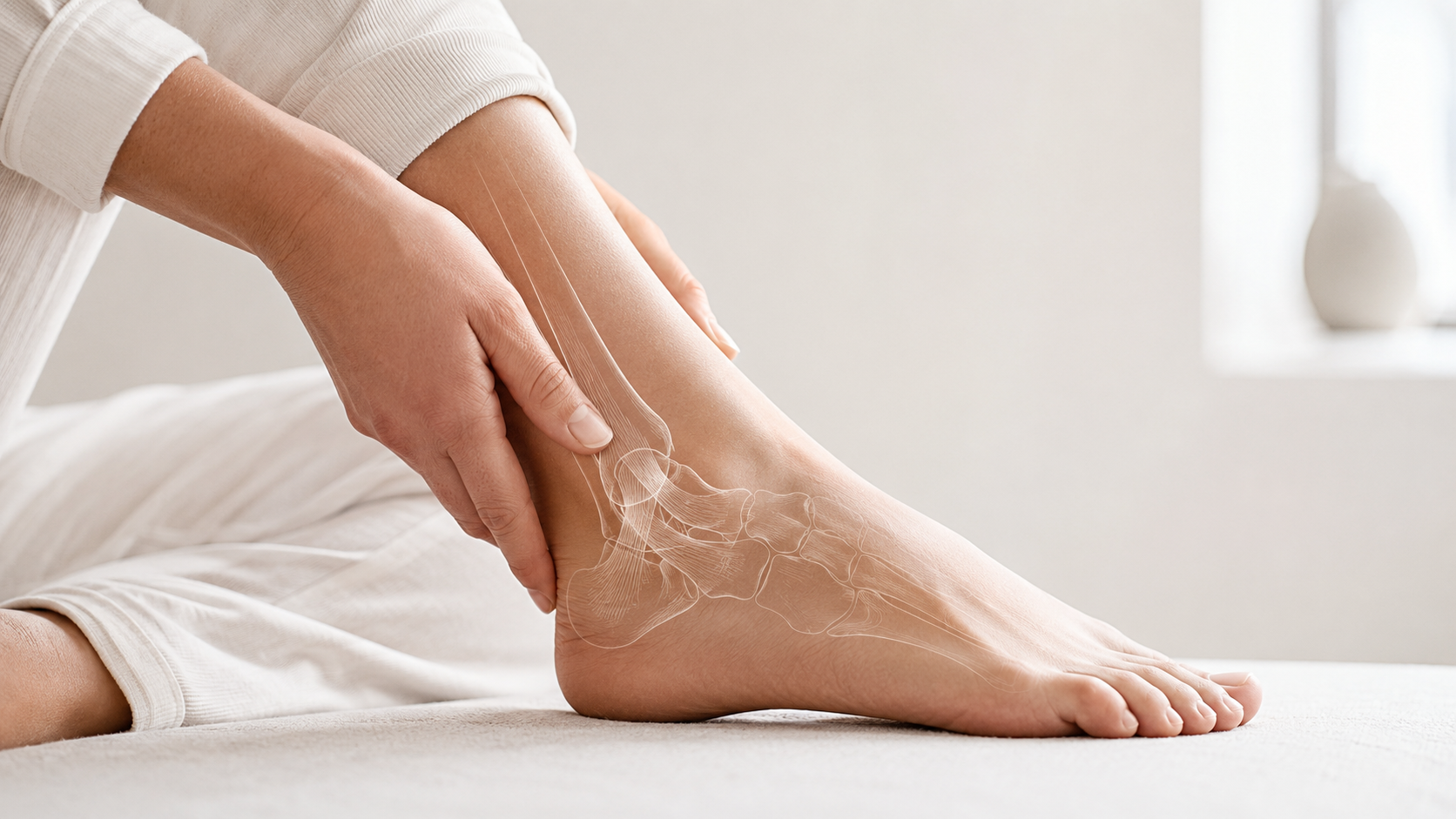
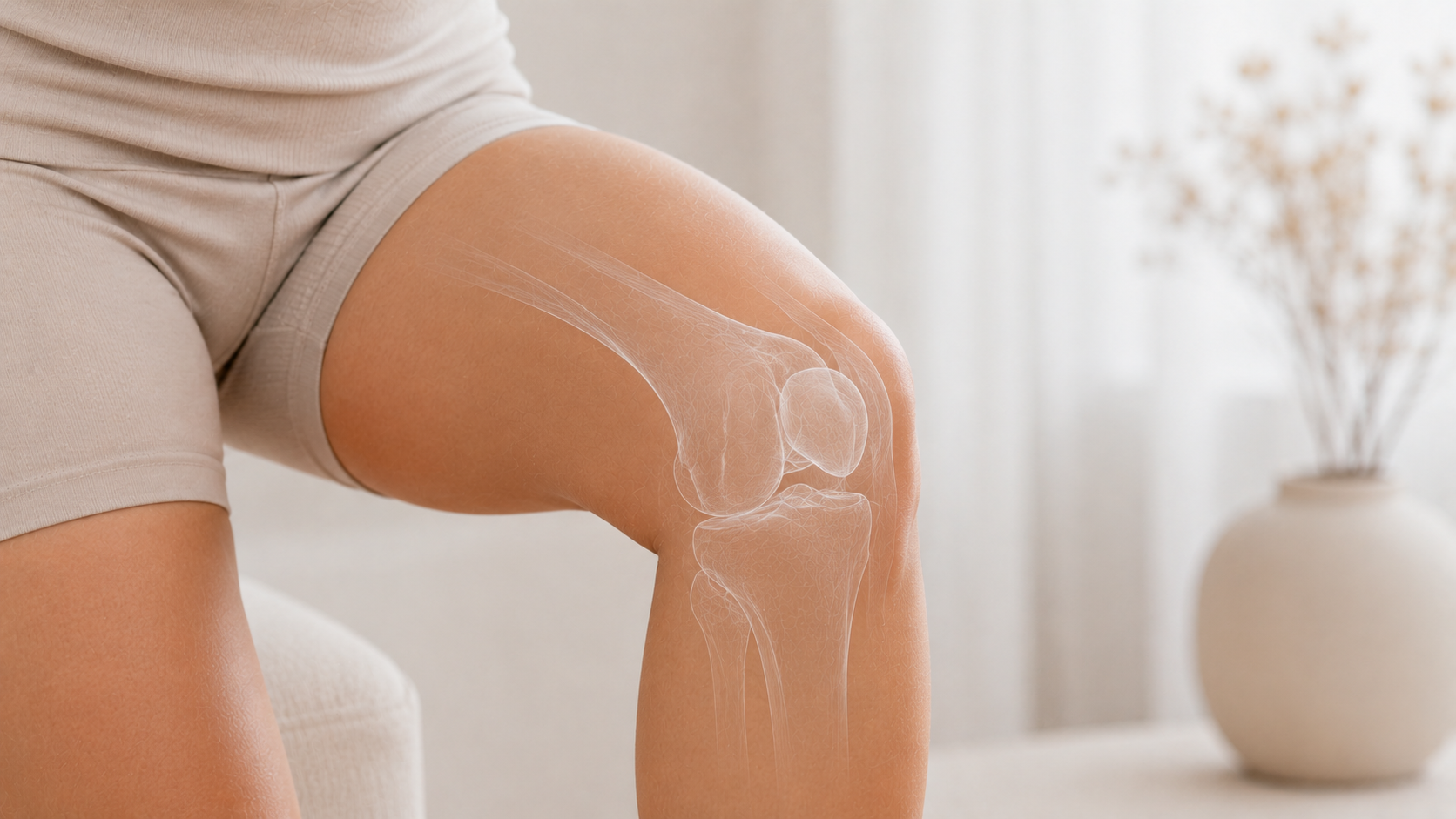
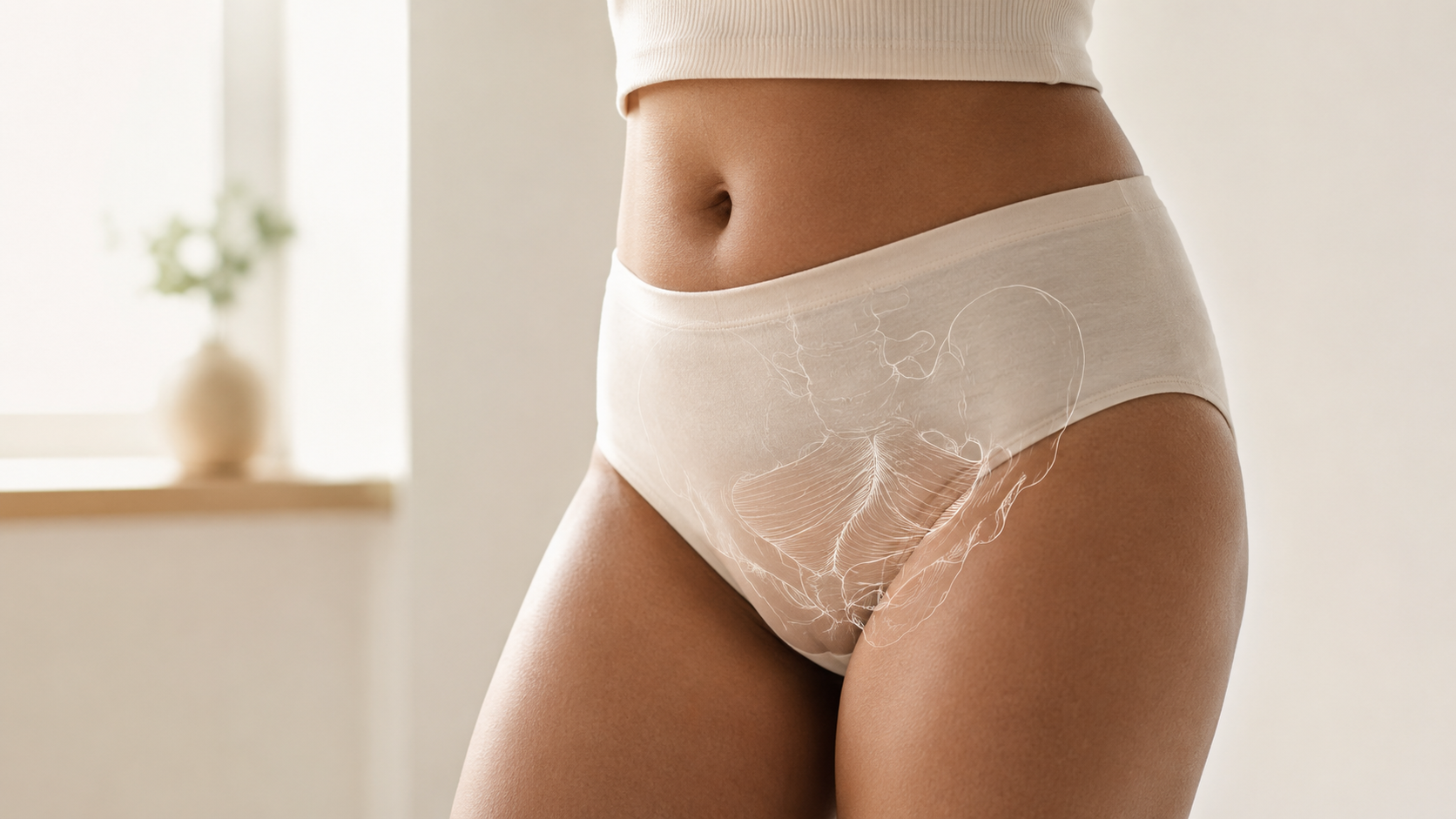
Hypermobility occurs when joints, ligaments, and connective tissues have more motion than they can safely control. At Manhattan Pain Medicine, we evaluate hypermobility spectrum disorder, hypermobile Ehlers-Danlos syndrome, localized joint instability, unresolved sprains, recurrent subluxations, muscle guarding, nerve irritation, dysautonomia, mast cell activation, and the biomechanical patterns that can develop when the body works overtime to stabilize loose joints.

Hypermobility affects more than flexibility. Dr. Siefferman explains how specialized care can help manage pain and improve function.

About Hypermobility

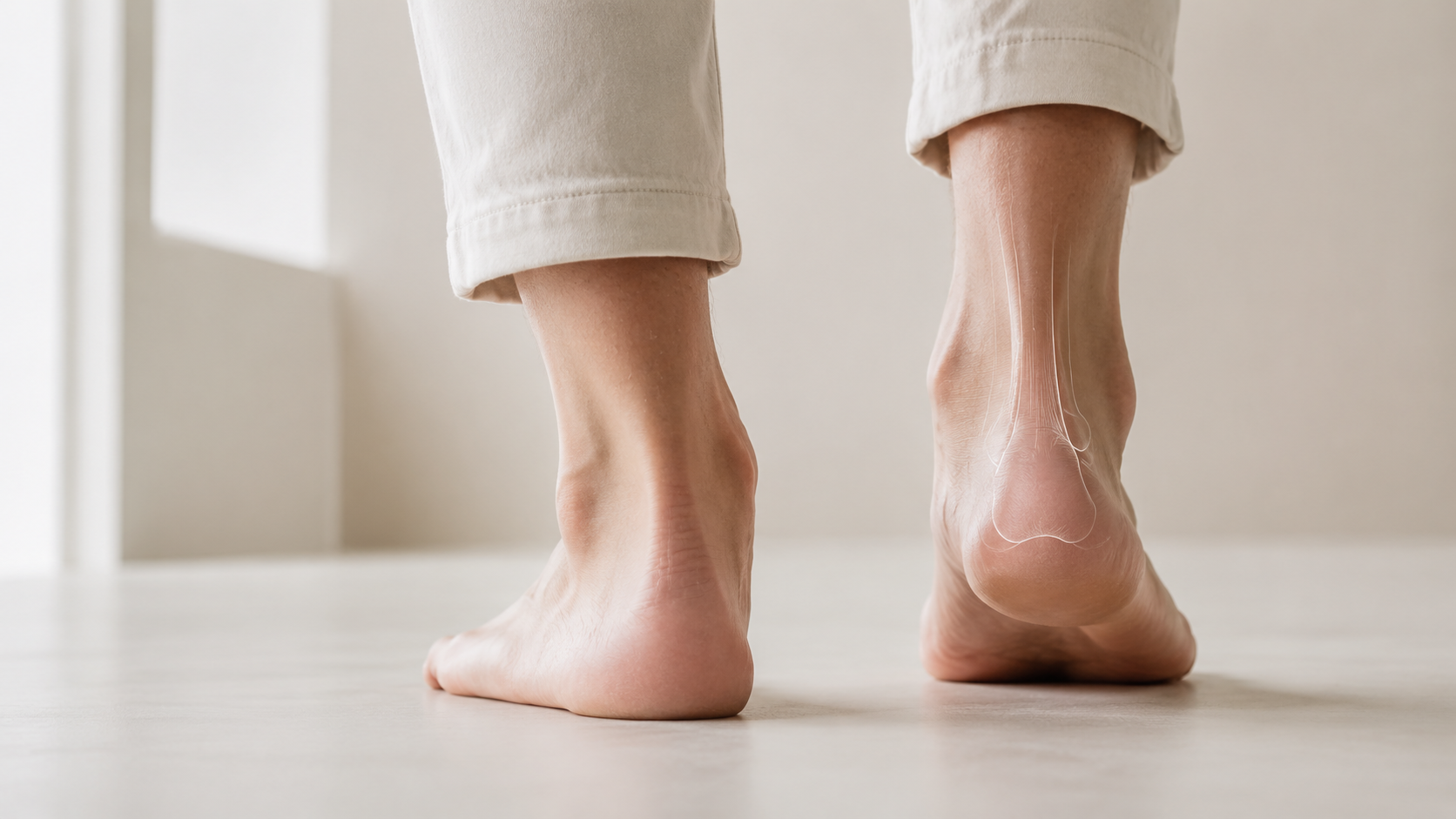
Hypermobility is not simply being flexible. For many patients, the issue is that the ligaments, joint capsules, and connective tissues do not provide enough passive stability. When joints move too far or sit too loosely in their sockets, the body must create stability another way.

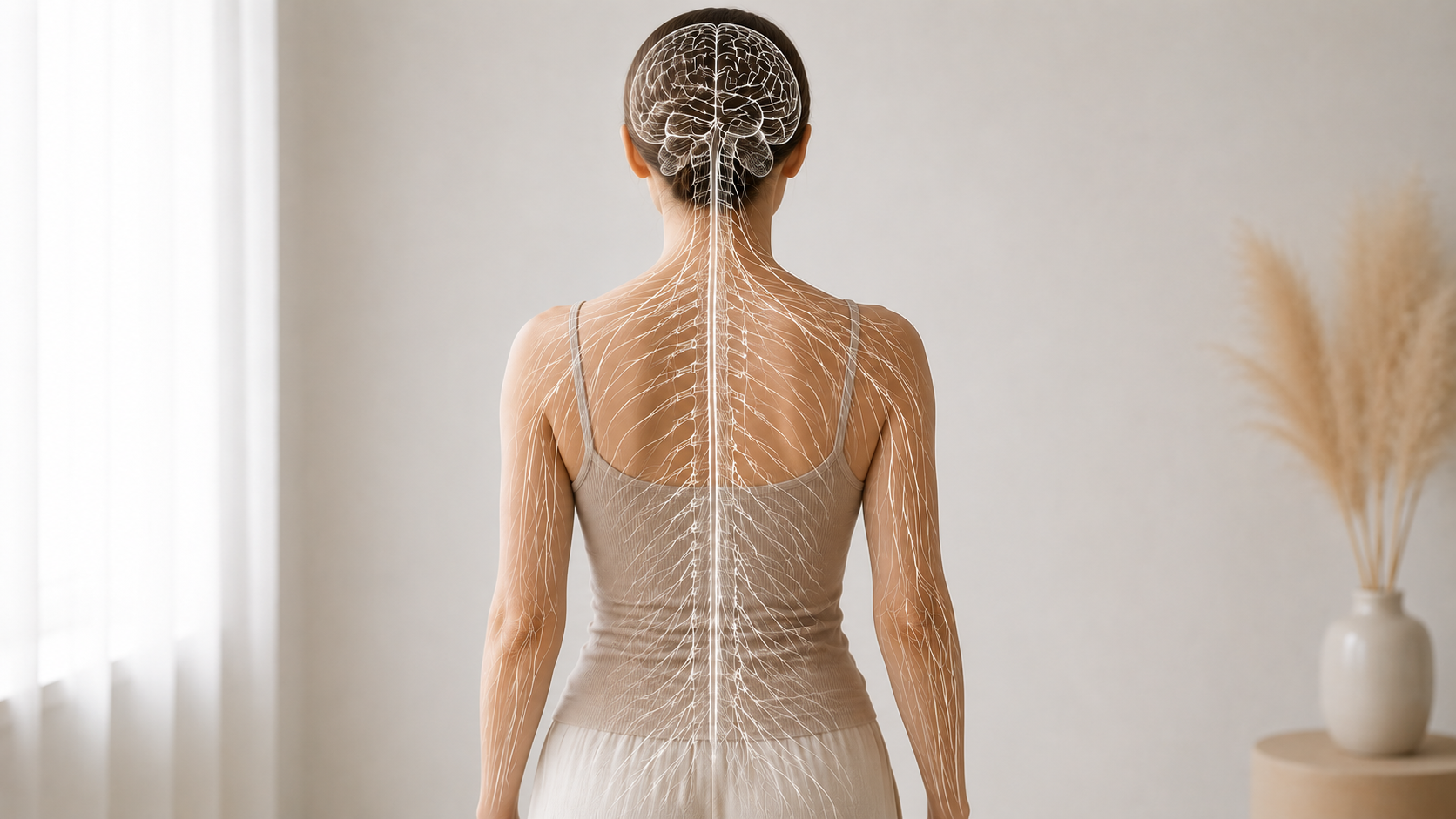
Often, the nervous system responds by tightening the surrounding muscles. These muscles act like functional splints, working constantly to protect joints from slipping, subluxing, or moving into positions that cause injury. Over time, this guarding can create stiffness, pain, nerve compression, fatigue, and compensatory movement patterns.

At Manhattan Pain Medicine, we evaluate hypermobility by asking which joints are unstable, which muscles are guarding, which nerves or tissues are being irritated, and which systemic factors may be amplifying the pain pattern.

Our Hypermobility Specialist Team

Hypermobility often requires collaboration across pain medicine, rheumatology, rehabilitation, regenerative medicine, pain psychology, and other clinical perspectives. At Manhattan Pain Medicine, care is coordinated around the patient’s full pattern, including joint instability, connective tissue laxity, muscle guarding, nerve symptoms, inflammatory activity, autonomic dysfunction, and functional limitations.

When Should I Seek Evaluation?

Patients may benefit from evaluation when joint pain is associated with clicking, popping, subluxations, dislocations, recurrent sprains, muscle tightness, unexplained stiffness, pelvic or hip instability, shoulder or neck pain, TMJ symptoms, nerve pain, dizziness, fatigue, or flares after activity that seem larger than expected.

Request An Appointment

APPROACH

Our Approach to Hypermobility

We evaluate hypermobility by identifying which joints are unstable, how the body is compensating, and which structural or systemic factors need to be addressed first.
  • 1

    Discovery

    We begin by mapping the patient’s joint instability, pain pattern, movement history, subluxations, guarding, nerve symptoms, systemic symptoms, prior injuries, and treatment response. This may include physical examination, imaging review, dynamic imaging when appropriate, assessment for inflammatory or immune contributors, and evaluation for related conditions such as dysautonomia, mast cell activation, small fiber neuropathy, or craniocervical instability.
  • 2

    Treatment

    Treatment focuses on stabilizing the system in the right order. Care may include regenerative medicine such as dextrose prolotherapy or platelet-rich plasma, carefully selected injections, treatment of inflammatory or immune drivers, Pilates-based or closed-chain rehabilitation, proprioceptive retraining, medication management, pain psychology, and coordination with physical therapy.
  • 3

    Maintenance

    Once joints are more stable and the pain pattern is clearer, the focus shifts to maintaining alignment, improving proprioception, strengthening deep stabilizers, reducing compensatory guarding, pacing activity, preventing flares, and helping the patient understand how to protect their body without overprotecting it.

Hypermobility is not treated by chasing every painful joint separately. We work to identify the unstable structures, understand the compensation patterns, control inflammatory or nervous system sensitization when present, and guide treatment in an order that supports more durable stability.
What to Expect During Evaluation

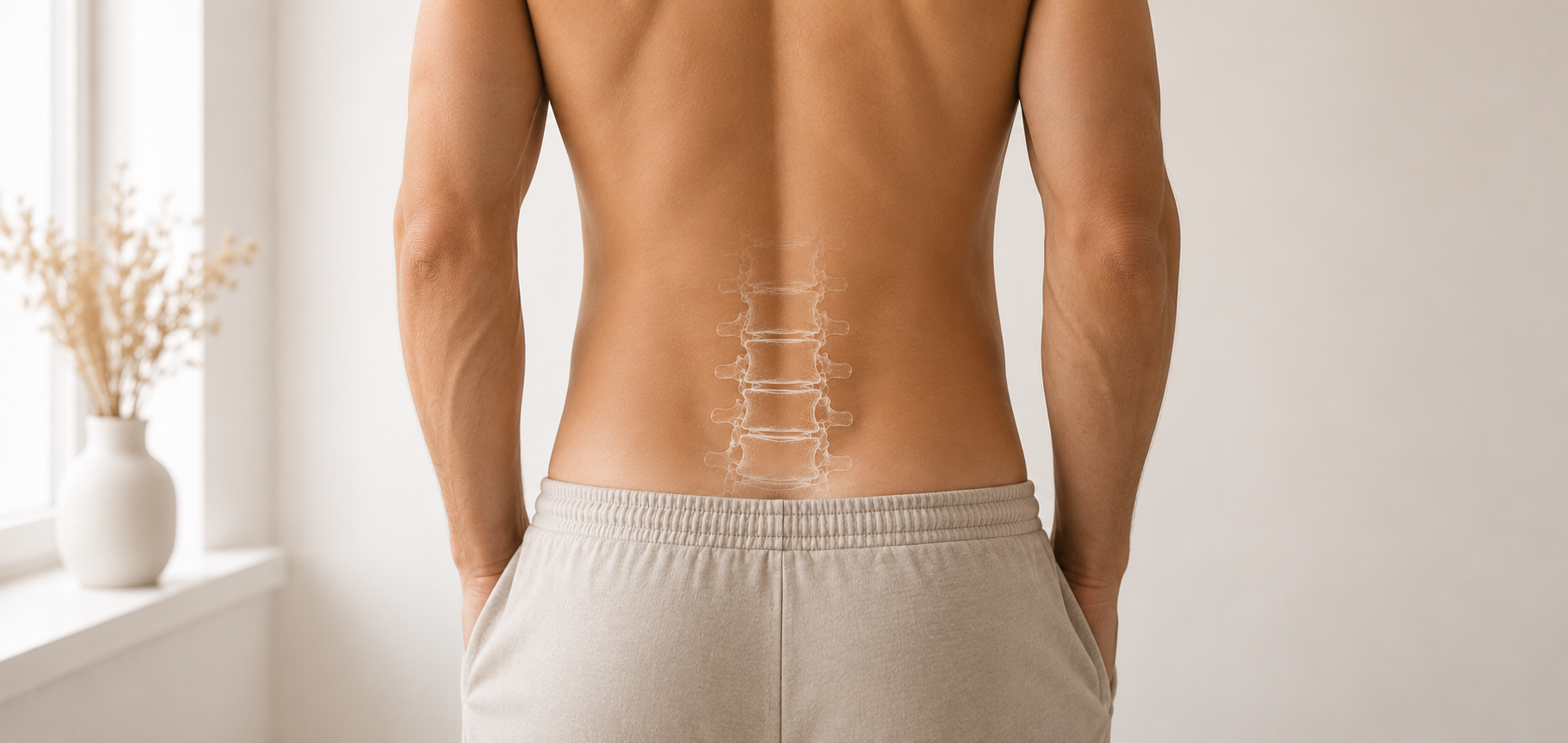
Your evaluation may include a detailed history of joint pain, subluxations, sprains, stiffness, prior injuries, activity limitations, systemic symptoms, and prior treatment response. The team may assess joint mobility, posture, muscle guarding, nerve symptoms, inflammatory signs, autonomic symptoms, and whether certain joints need dynamic imaging or diagnostic testing to clarify instability.

Request An Appointment

RELATED CONDITIONS

Conditions Related to Hypermobility

Hypermobility can overlap with many structural, neurologic, inflammatory, and systemic conditions. The condition list below connects this zone with related diagnoses and clinical patterns that may require coordinated evaluation.

Why Stability Comes First

When joints are unstable, the body often creates stability through muscle guarding, altered posture, and compensatory movement. These strategies may protect the joint in the short term, but they can also create secondary pain, nerve irritation, and fatigue over time. Understanding which joints need stability helps determine the right treatment sequence.

PATIENT STORIES

Real Patients. Real Progress.

Hear from patients who came to Manhattan Pain Medicine looking for answers, clarity, and a more thoughtful path forward.
  • Madaline. M

    5 star review

    I cannot say enough good things about Manhattan Pain Medicine. From the moment I walked in, I felt truly cared for and taken seriously. Dr. Nino Mikaberidze, Director of Rheumatology, is exceptional — knowledgeable, compassionate, and incredibly thorough. She takes the time to listen, explains every...
    Google

  • Haleigh Y.

    5 star review

    The best care I've received as a chronic pain patient. I traveled from out of state to visit Manhattan Pain Medicine because I could not find knowledgeable doctors in my hometown for my hypermobility, and Ehlers-Danlos syndrome symptoms and comorbidities. Let me tell you, it was worth every travel e...

    Google

  • Damien P.

    5 star review

    I was injured in a bicycle accident over 8 years ago. I’ve suffered throughout the years since my accident with nothing seeming to work. PT, Yoga, lifestyle changes, NOTHNG! I finally made an appointment with Dr Kane and I’m feeling an improvement in my life. I no longer stay up all night in pain, a...

    Google

  • JP S.

    5 star review

    One of the best experiences, if not the best, I have ever had at the doctor’s office. From the front desk to the nurses to the PA assisting the doctor this was a great experience. Dr.Nino actually listened to me and came up with a game plan. Would recommend this practice to as many people as I could...

    Google

  • Richard B.

    5 star review

    I have very unique & severe nerve pain from CRPS which has no known specific cure. Dr. Siefferman has a huge tool box, far greater than the other 23 Drs. I have seen. He saved me from jumping off a bridge and continues to help me with both treatments and advice. Dr. S. is in a different league!

    Google

  • Clare F.

    5 star review

    After two years of searching and feeling lost and let down, I finally found real help at Manhattan Pain Medicine. With Dr. Siefferman, Adam Rosenberg, Dr. Mikaberidze, and the whole team, I feel heard, supported and understood. Every symptom is being considered and I’m finally getting answers with m...

    Google

  • Jonathan C.

    5 star review

    Why is Dr Dr. Tayyaba Ahmed one of the top pevic Floor specialists - 1- She wants to know a full history of what led the patient to get to this point. 2 - She listens intensley to the patient 3- She does not rush you 4- Extremely skilled at giving pelvic floor injections 5- I thank my luck stars she...

    Google

  • Jodi K.

    5 star review

    The staff was friendly and helpful. Dr. Siefferman was thoughtful, listened, asked questions and proposed simple safe ways to come to further conclusions regarding my pain and discomfort. The office staff including Dr. Siefferman is responsive even after the initial in-person visit. Very pleased.

    Google

  • Sabrina S.

    5 star review

    Dr. Siefferman is a brilliant provider. While my pain is still a work in progress, Dr Siefferman always gives me options and explains his reasoning behind things. He listens to my feedback and concerns. I never feel rushed; and am grateful he works to meet me where I am. I highly recommend him.

    Google

  • Lorraine B.

    5 star review

    What a great find! They listen to me, I listen to them and the diagnosis is made and a plan developed to develop an approach to treat all of my chronic pain. I wish I could have discovered this type of treatment sooner. This doctor and group give me hope.

    Google

FAQ

Frequently Asked Questions

Common questions about hypermobility, hypermobile Ehlers-Danlos syndrome, hypermobility spectrum disorder, joint instability, prolotherapy, PRP, and how Manhattan Pain Medicine approaches evaluation and treatment.

Understanding Insurance Before You Begin

Before care begins, our team helps patients understand the practical side of treatment, including insurance verification, out-of-network benefits, cost-share estimates, self-pay options, and billing questions. We believe patients should have as much clarity as possible before moving forward.

Insurance & Billing

Find the Source of Joint Instability

If joint pain, stiffness, subluxations, recurrent sprains, muscle guarding, nerve irritation, or unexplained flares may be related to hypermobility, our team can help evaluate which structures are unstable and what treatment sequence may support better stability.
Request An Appointment

RESEARCH

Research on Hypermobility

Explore MPM research related to hypermobility, joint instability, regenerative medicine, connective tissue pain, and related clinical patterns that may contribute to complex pain.

GO DEEPER

Hypermobility: The MPM Approach

Hypermobility can affect joints, muscles, nerves, posture, circulation, and the nervous system. Our approach begins by identifying where the body lacks stability, how it is compensating, and what needs to be treated first.

Hypermobility occurs when joints, ligaments, and connective tissues allow more motion than the body can safely control. This may involve hypermobility spectrum disorder, hypermobile Ehlers-Danlos syndrome, or localized instability after an unresolved sprain, injury, or trauma.

At Manhattan Pain Medicine, we do not evaluate hypermobility only by asking whether a joint can move far. We ask whether the joint can remain stable under load, whether the muscles are guarding to protect it, whether nearby nerves are being irritated, and whether systemic factors such as inflammation, dysautonomia, mast cell activation, or nervous system sensitization are amplifying the pain pattern.

Ligamentous Laxity and Loss of Passive Stability

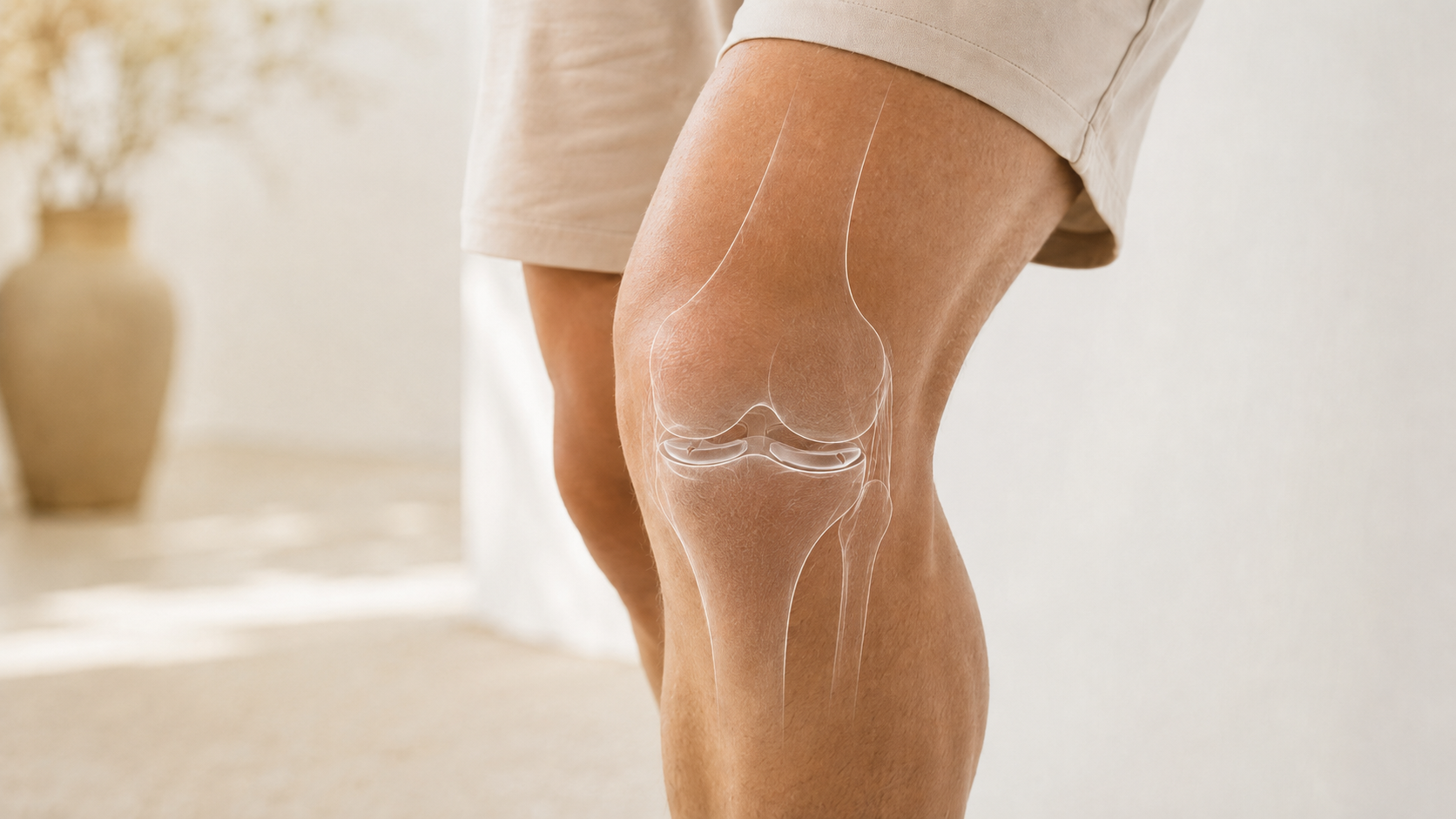
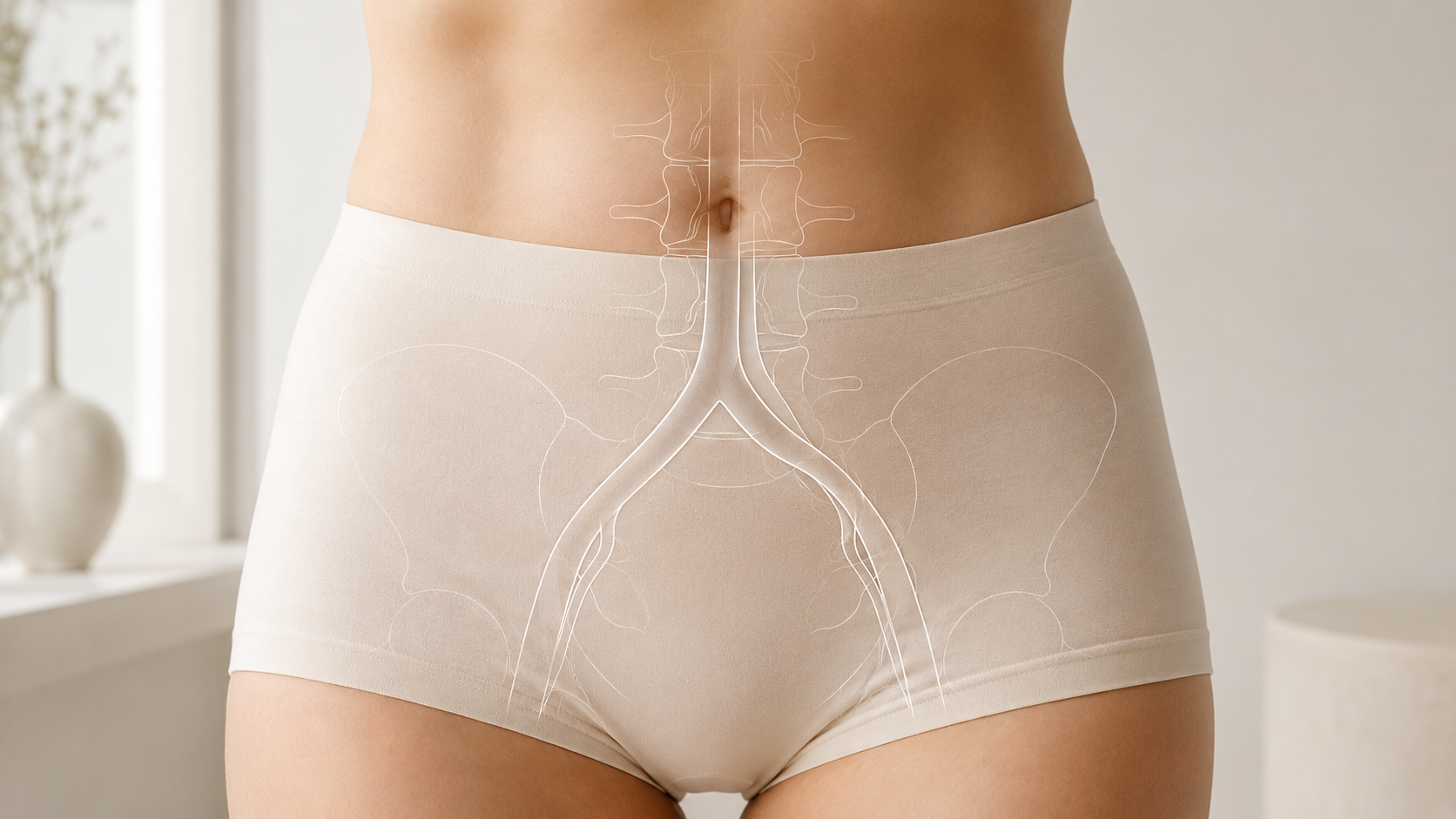
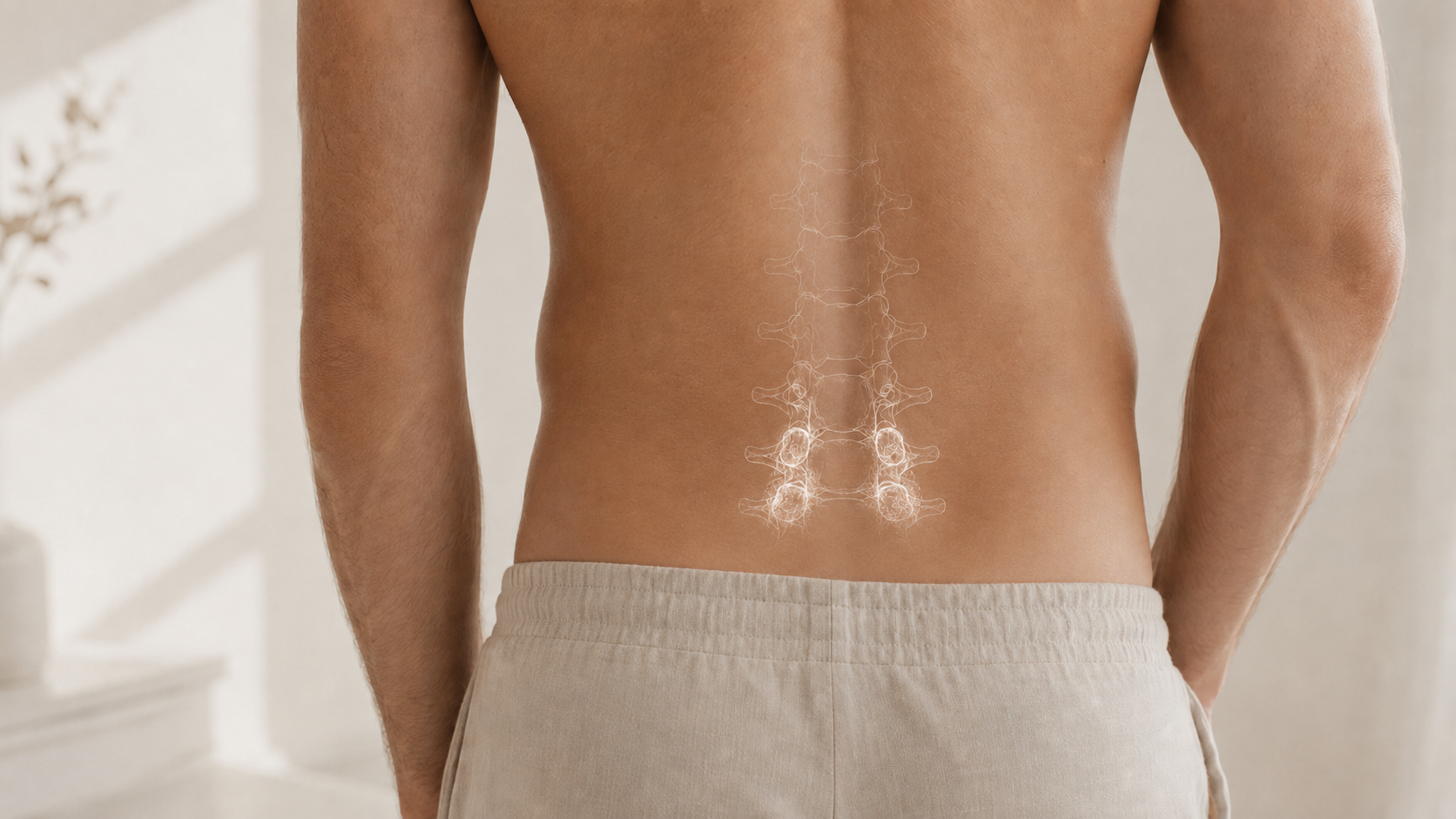
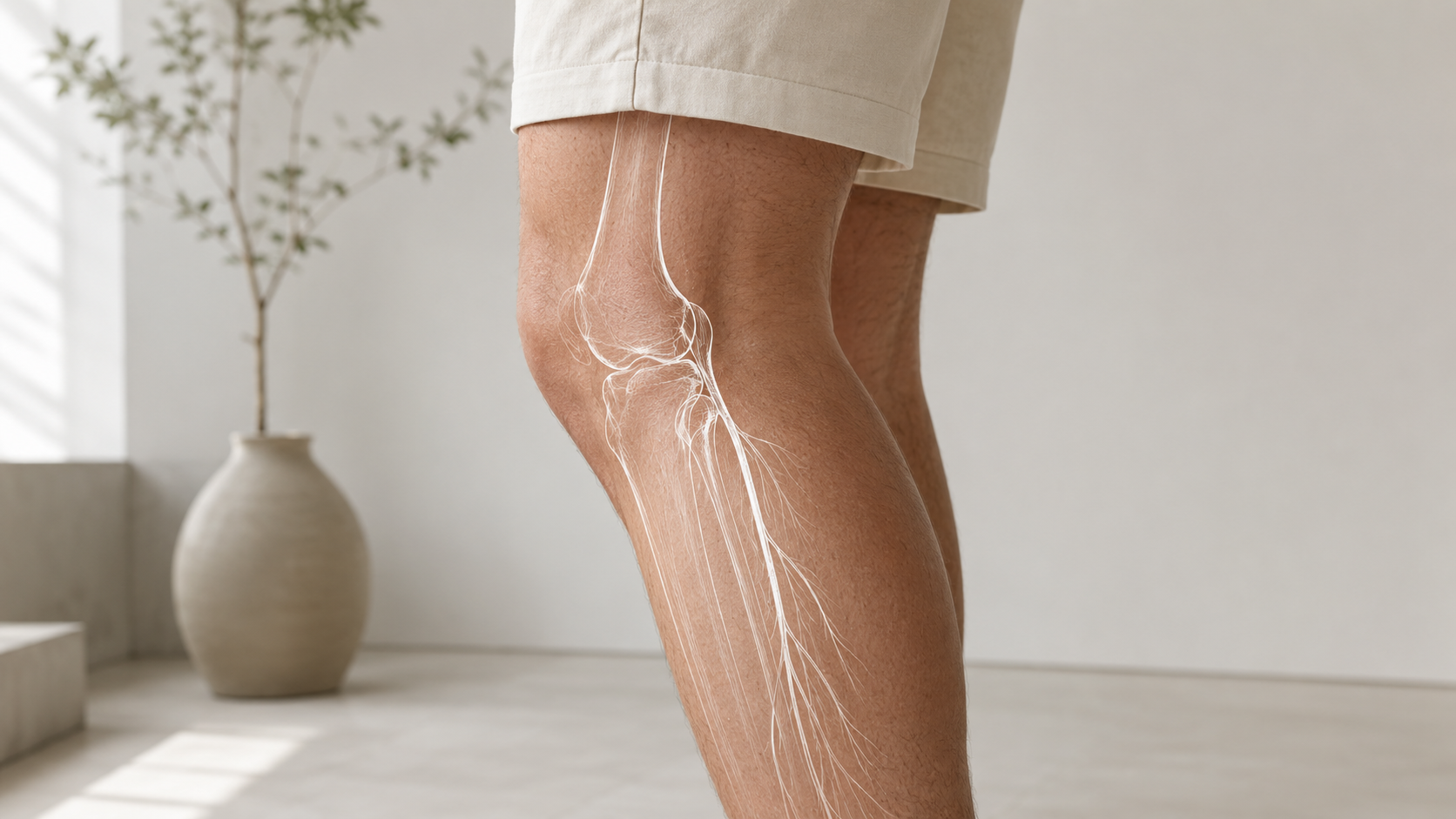
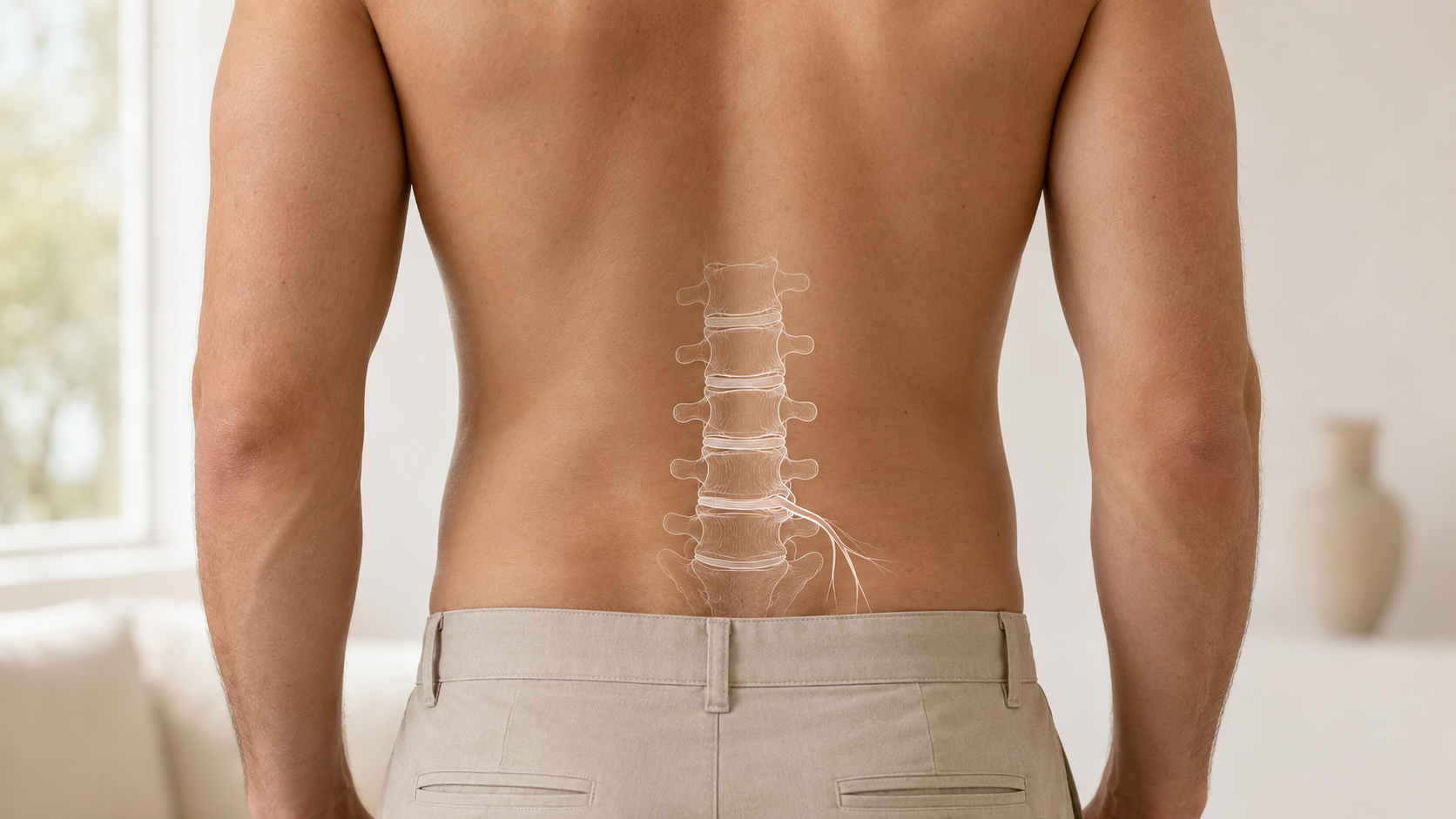
Ligaments and joint capsules help hold the skeleton together against gravity. When these structures are too lax, the joint may sit loosely in its socket or move beyond its stable range. The joint may click, pop, shift, sublux, or repeatedly irritate nearby cartilage, labrum, tendons, ligaments, or nerves.

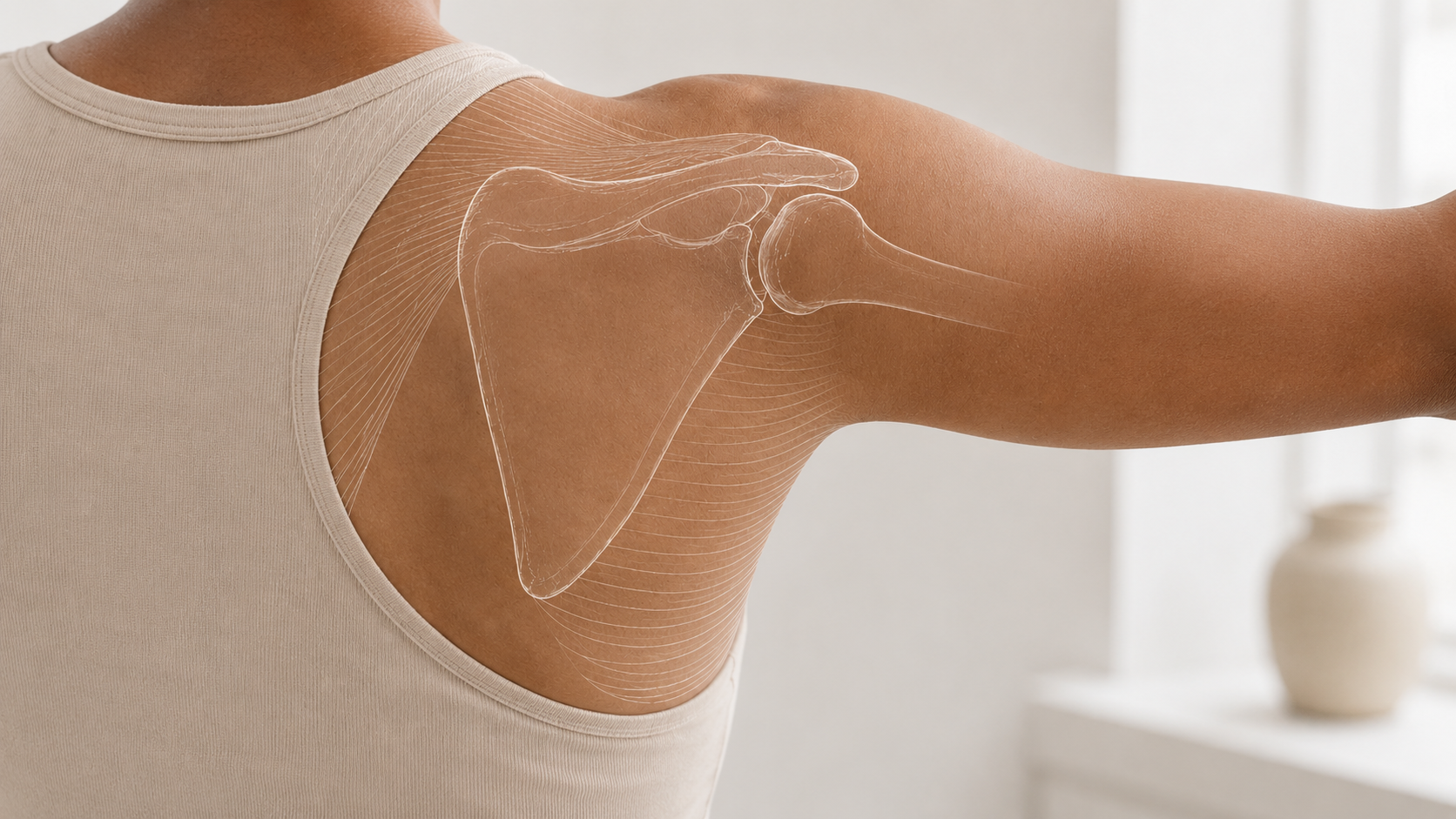
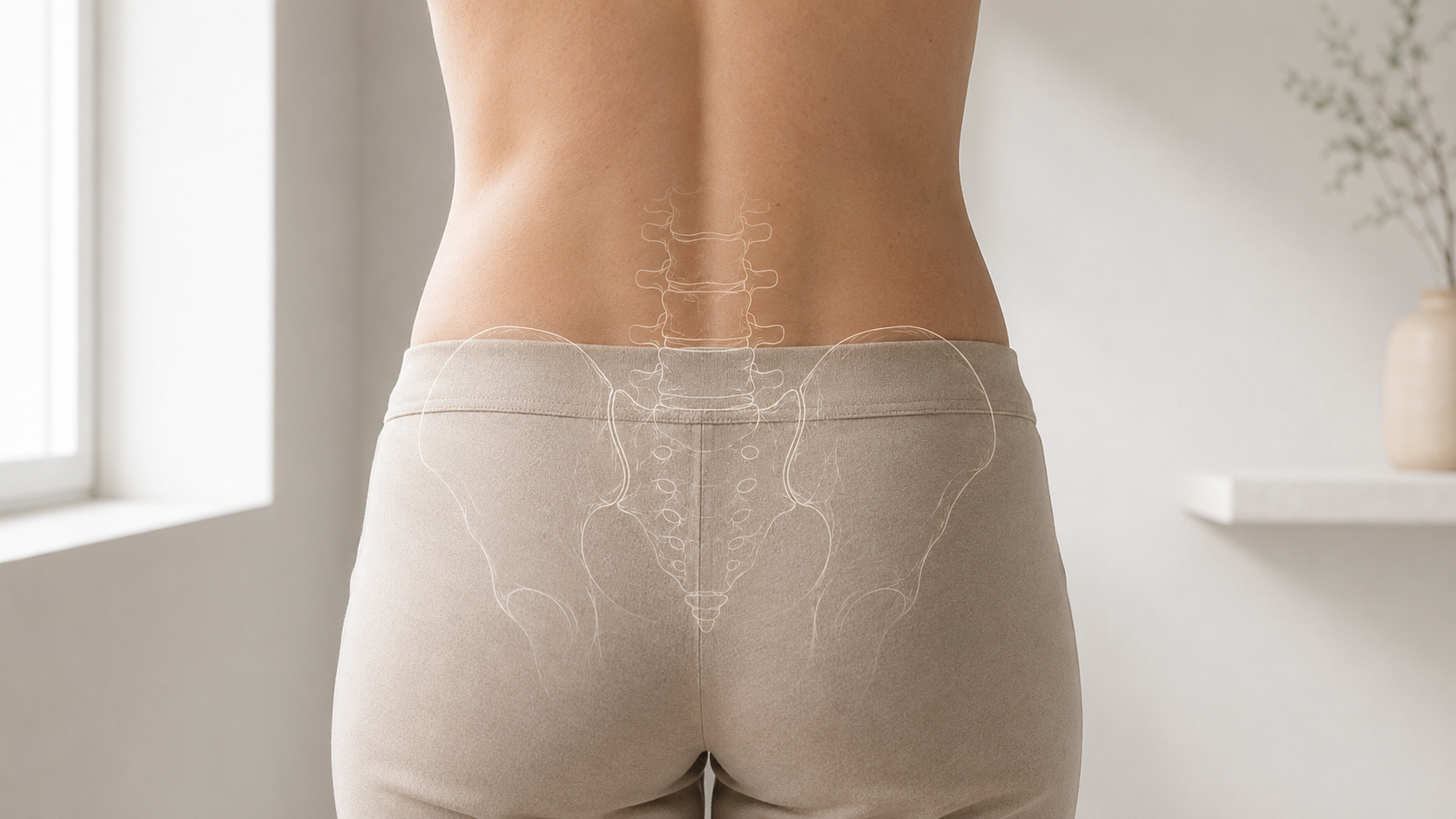
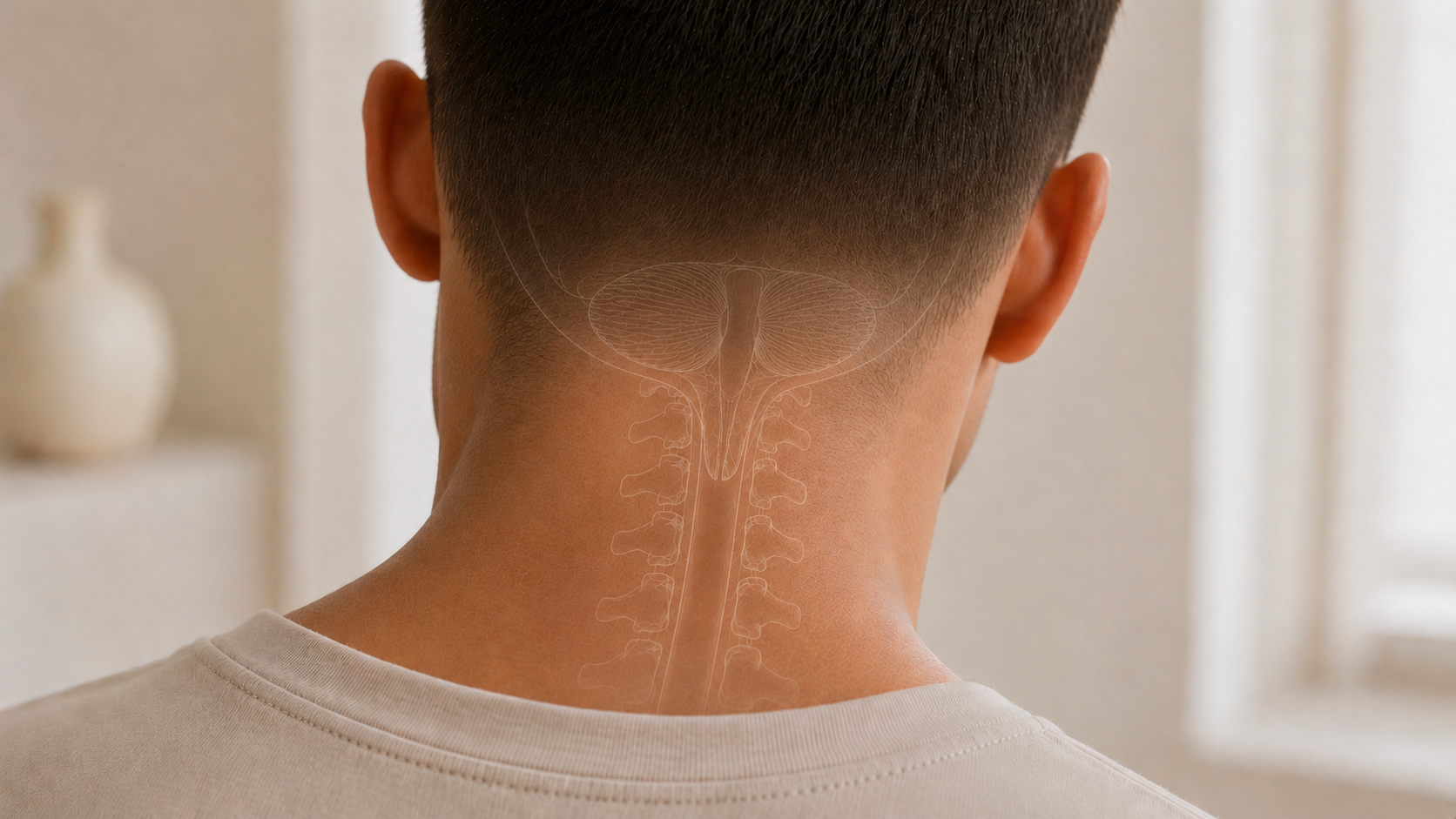
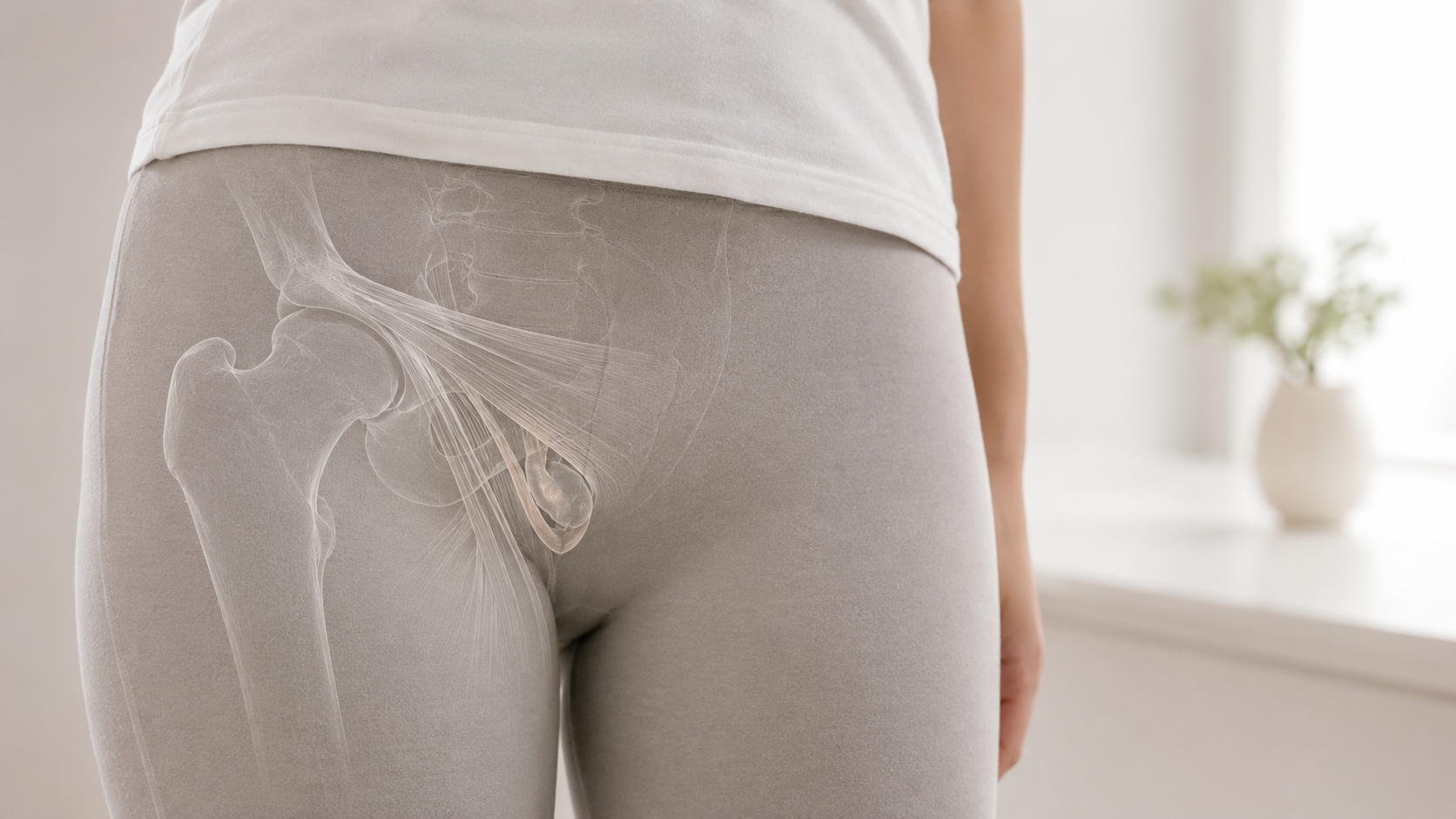
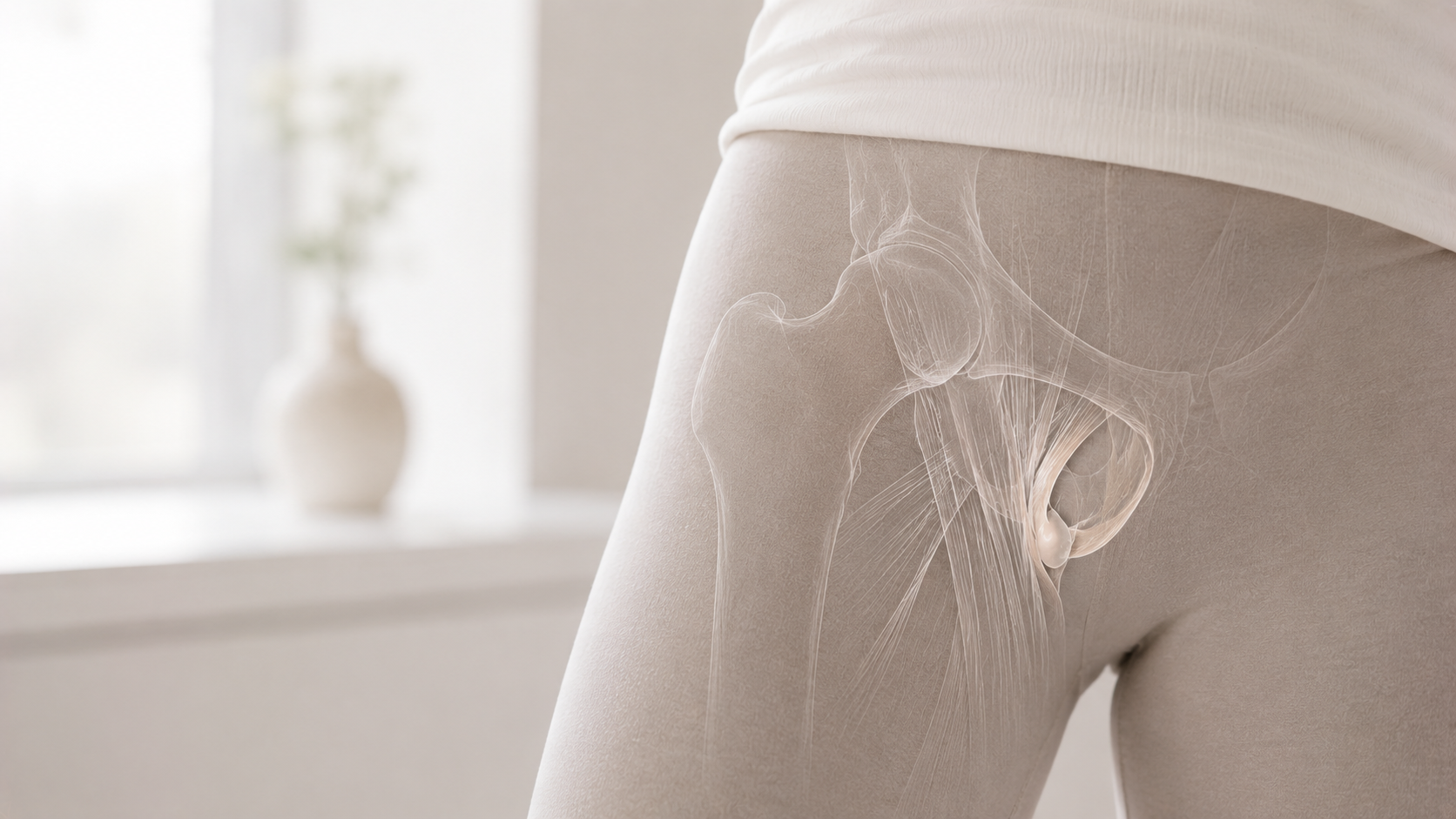
This instability can create repetitive microtrauma. A loose hip may place repeated stress on the labrum. An unstable shoulder may change the position of the shoulder blade and neck. An unstable upper cervical spine may contribute to headache, facial pain, dysautonomia, or jaw dysfunction. Over time, a local instability pattern can influence the entire body.

The Guarding Cascade

When ligaments cannot provide enough stability, the nervous system often asks the muscles to do the job instead. Muscles that are meant to guide motion become functional splints. They tighten, guard, and work overtime to prevent the joint from slipping or moving into a painful position.

This is why many hypermobile patients do not feel flexible. They feel stiff, locked up, exhausted, and sore. The stiffness is often a protective response. The joint may be loose, but the muscles around it are working constantly to create stability.

Gravity-Compliant Posture and the Snowball Effect

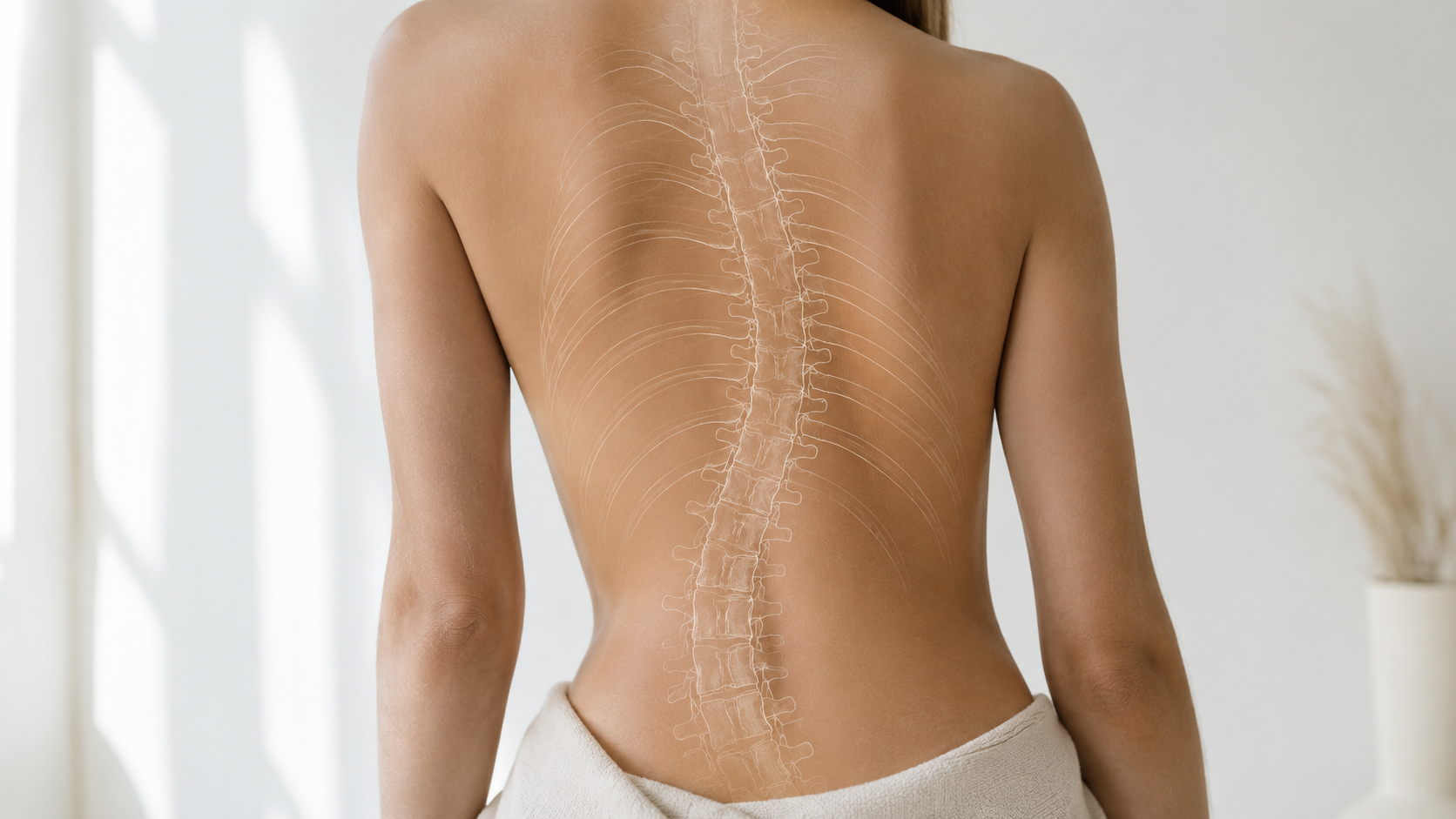
Gravity naturally pulls unstable joints into less efficient positions. Knees may lock, the pelvis may tilt, the shoulders may roll forward, and the head may drift forward. These positions can help the body feel temporarily stable, but they also shift stress onto other joints, muscles, nerves, and connective tissues.

Over time, this can create a snowball effect. A hypermobile hip may alter pelvic mechanics. Pelvic mechanics may affect the low back, pelvic floor, and nerves. Shoulder instability may pull the neck into a guarded posture. Neck guarding may contribute to headache, TMJ dysfunction, and autonomic symptoms.

Common Clinical Patterns

The Stiffness Paradox

Hypermobility often presents as stiffness. Patients may feel tight, rigid, or unable to relax. This does not contradict hypermobility. It often reflects chronic muscle guarding around joints that lack passive stability.

Recurrent Subluxations, Sprains, and Joint Pain

Patients may report clicking, popping, slipping, partial dislocations, recurrent sprains, or pain that returns after seemingly minor activity. Some patients can identify a specific unstable joint. Others feel that the entire body is working too hard to stay aligned.

Nerve Entrapment and Referred Pain

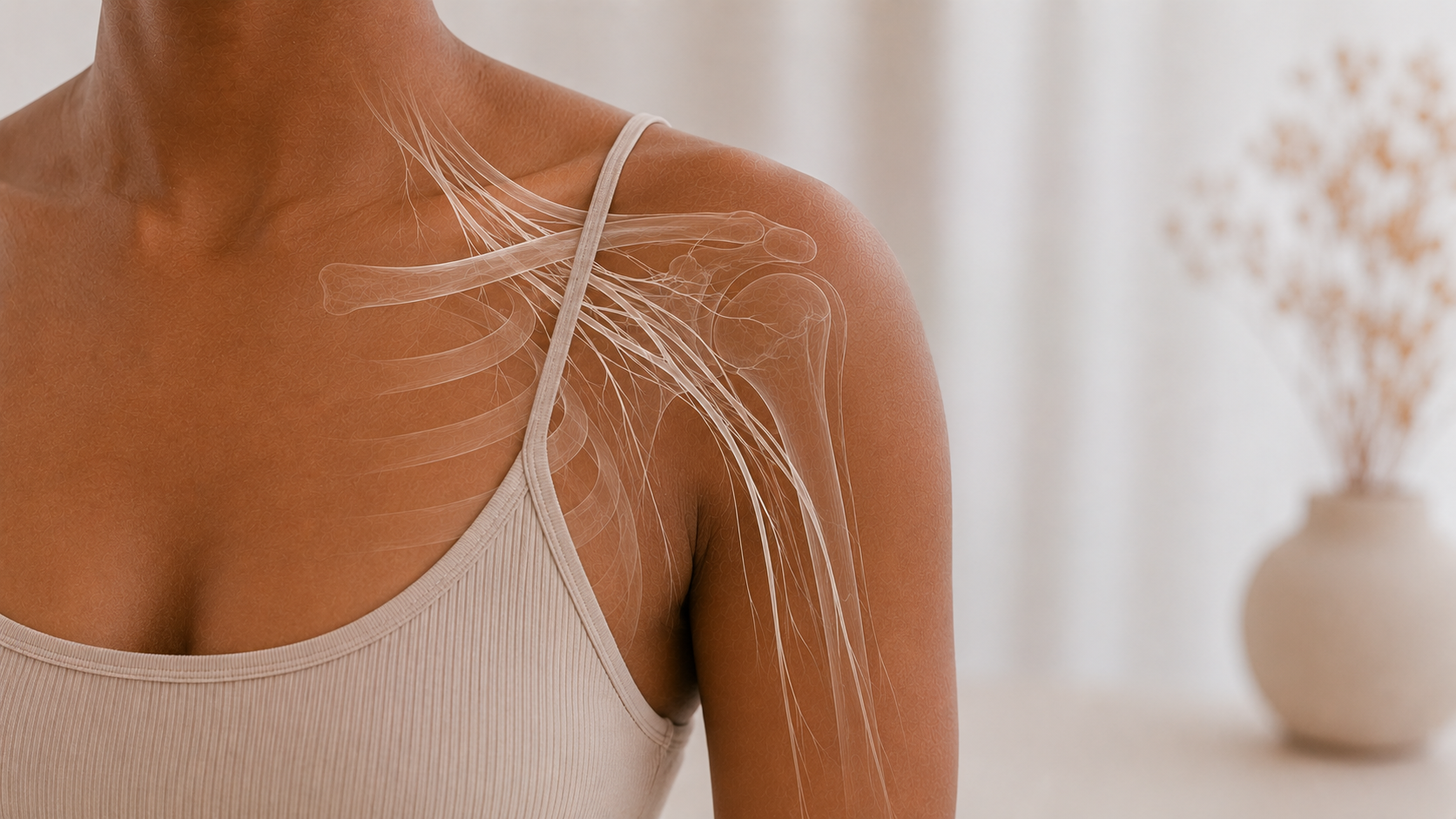
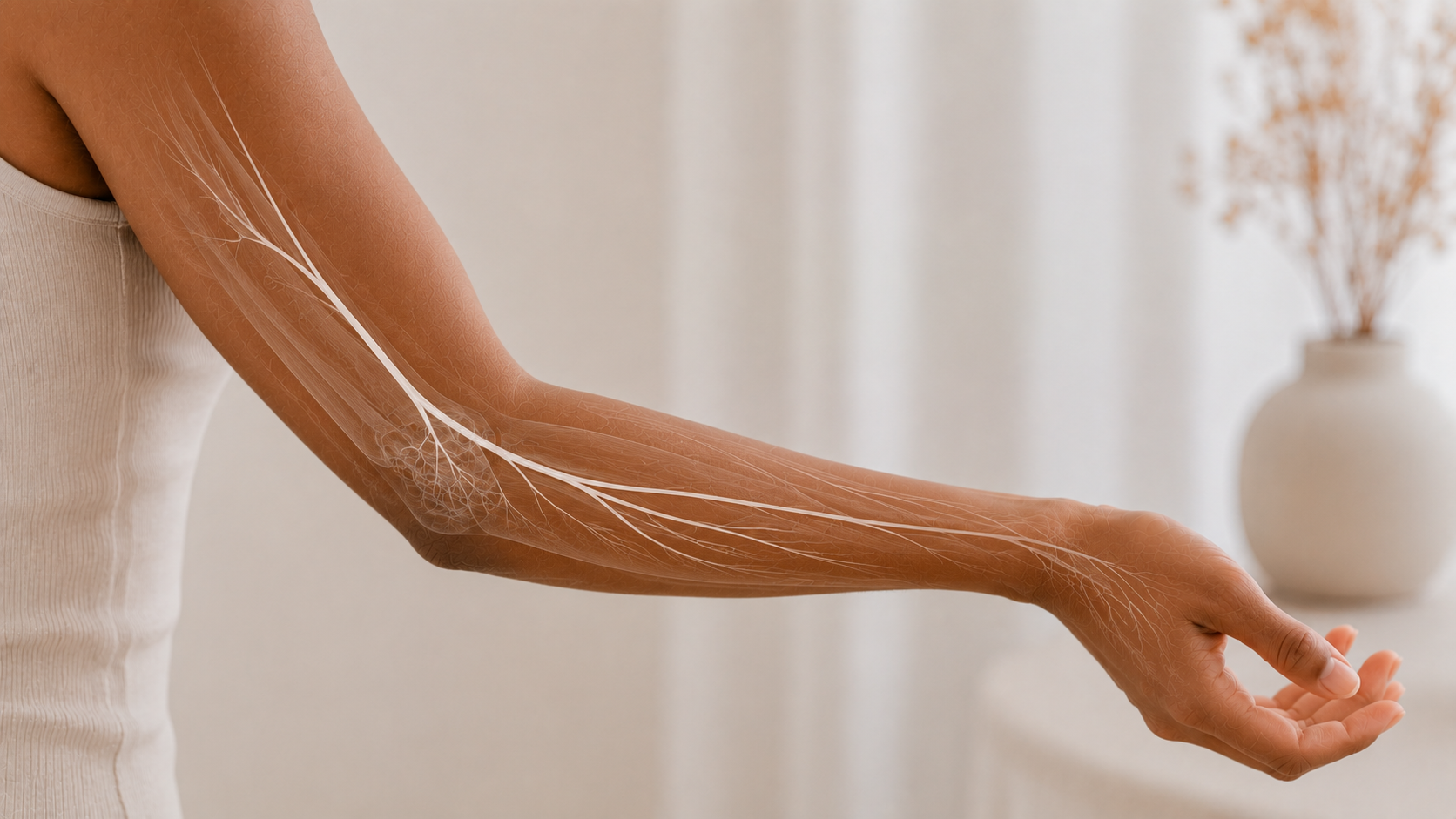
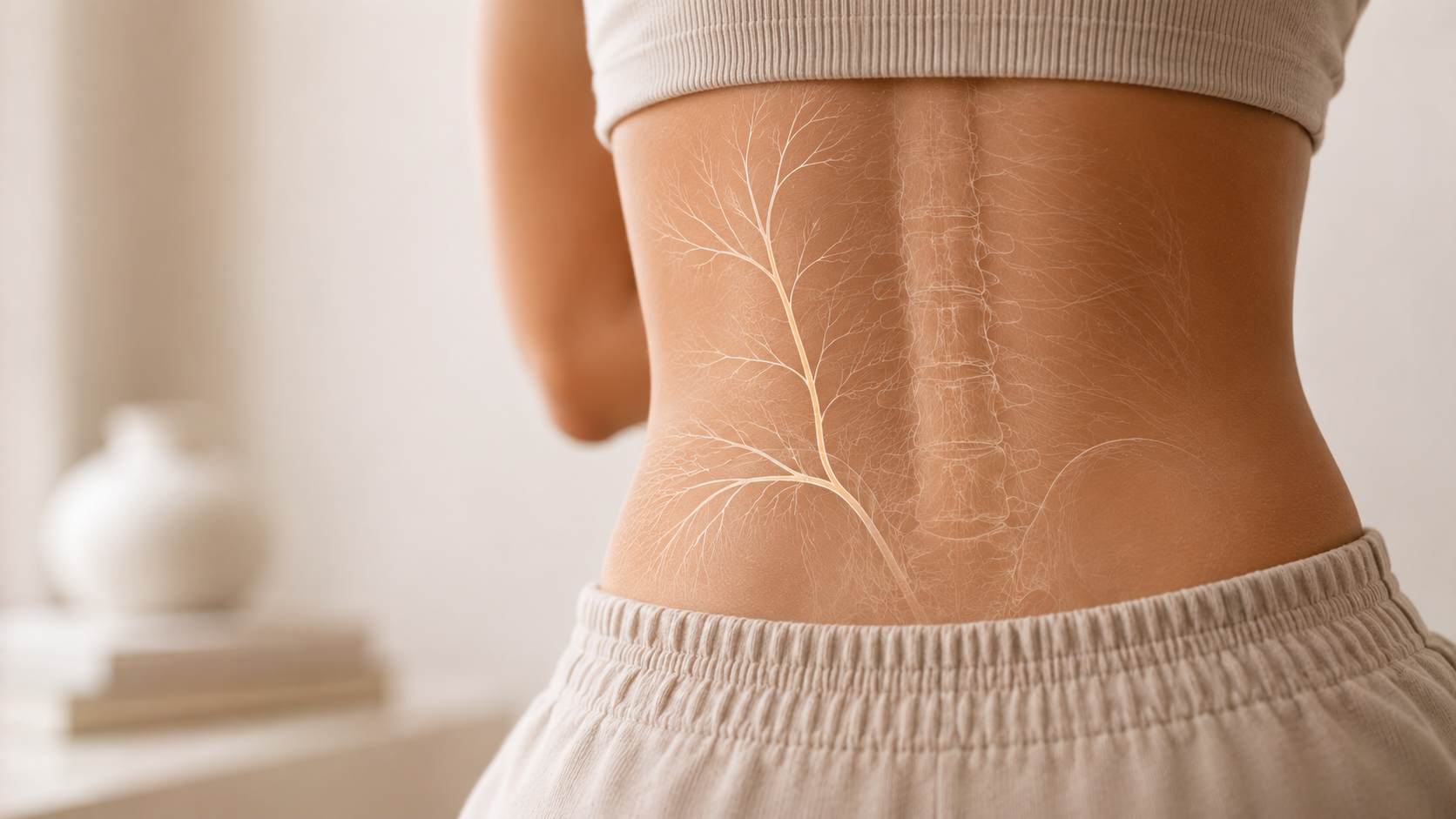
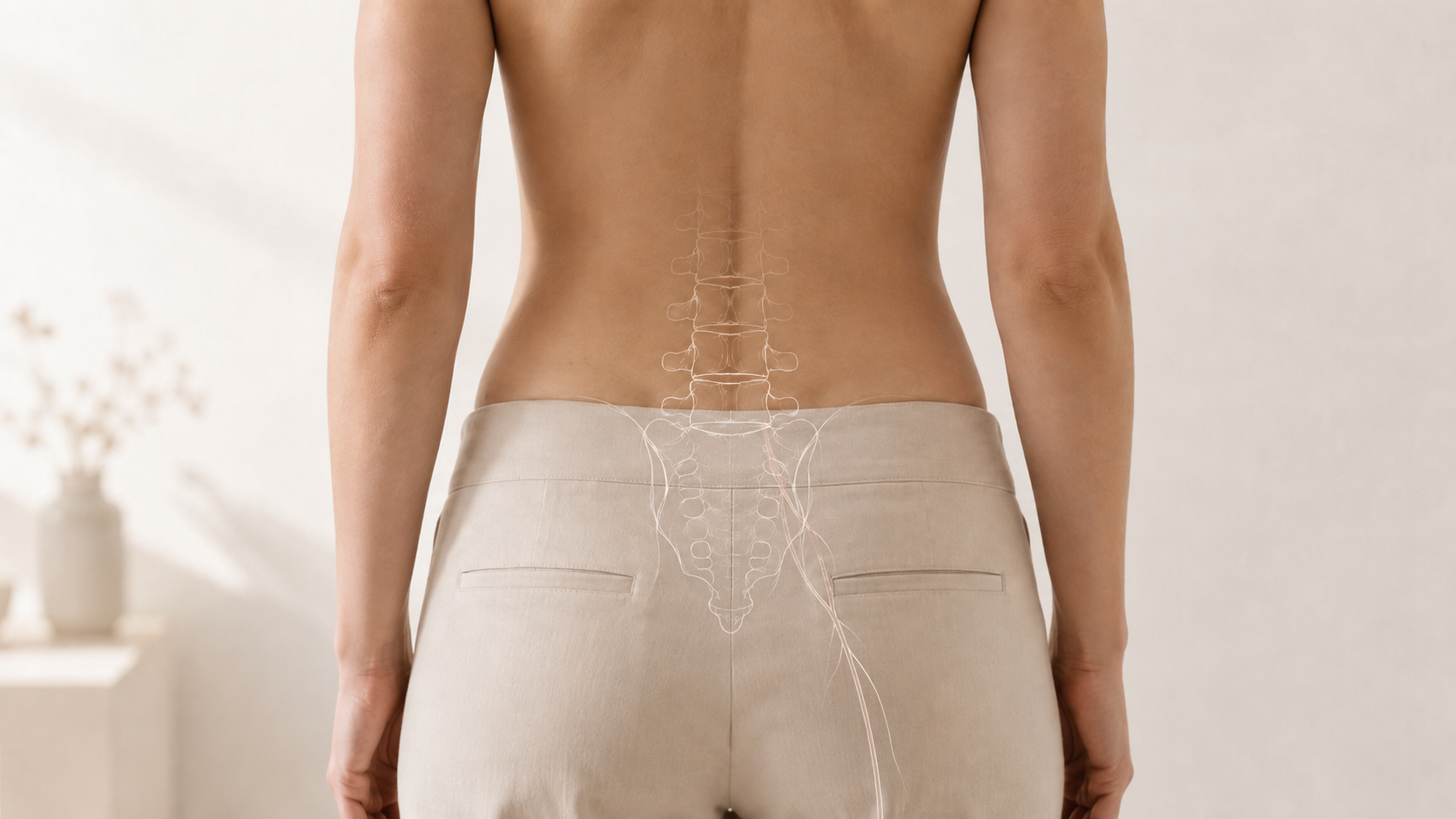
Guarding muscles can compress or irritate nearby nerves. For example, pelvic and hip instability may contribute to pelvic floor overactivity and pudendal nerve irritation. Shoulder or neck instability may contribute to arm symptoms, headache, or facial pain. The nerve pain may become the loudest symptom, even when instability is the driver.

The Hypermobility Trifecta

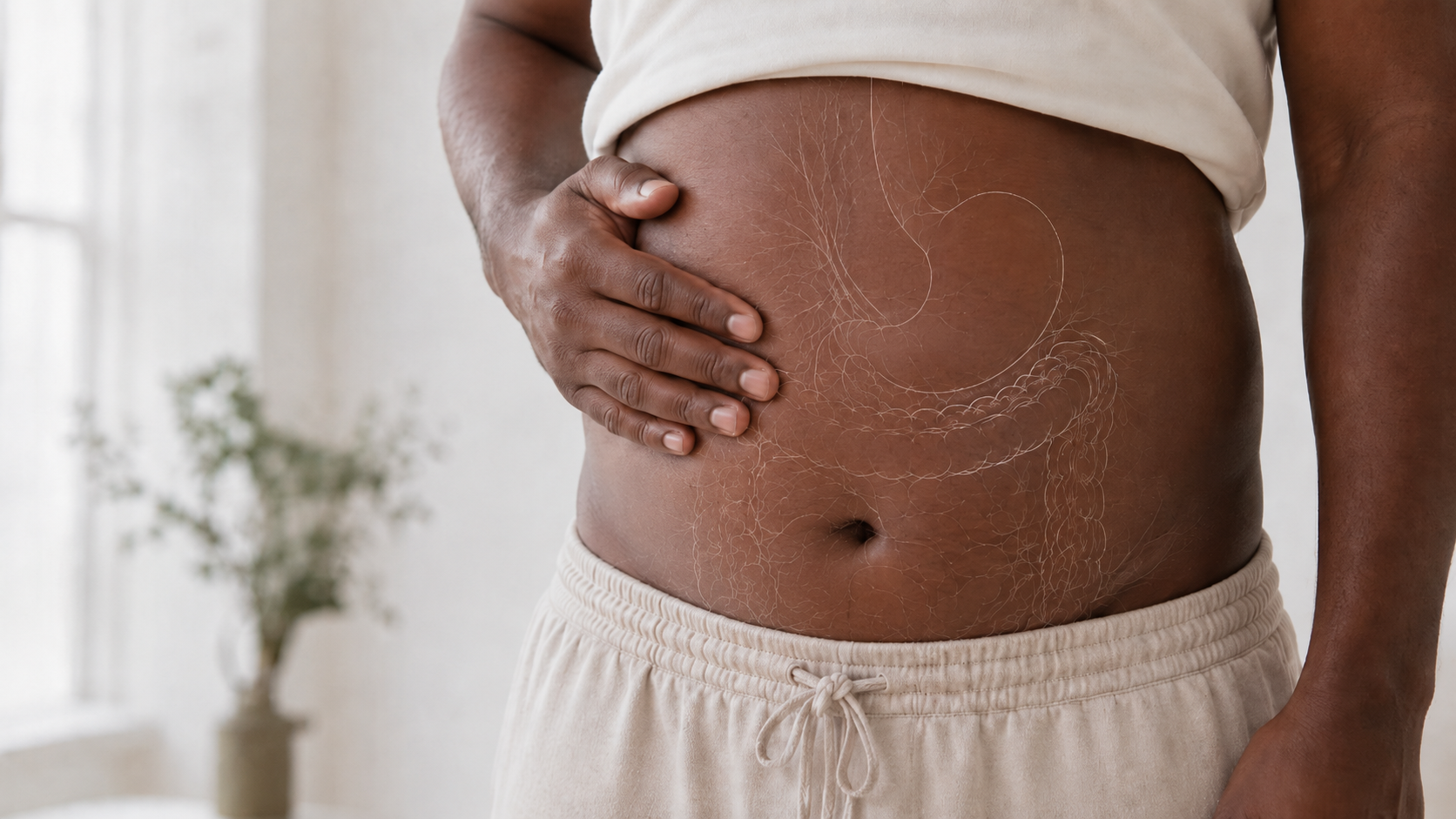
Hypermobility can overlap with dysautonomia, mast cell activation, and other systemic conditions. Blood pooling, dizziness, rapid heart rate, flushing, swelling, food sensitivity, fatigue, brain fog, and widespread pain may all influence the treatment path. These overlapping systems must be understood before treating the joints in isolation.

Discovery

Discovery begins with the pattern. We ask which joints feel unstable, which areas feel guarded, which symptoms are mechanical, which symptoms are neurologic, and which symptoms suggest inflammation, dysautonomia, mast cell activation, or central sensitization.

Evaluation may include physical examination, joint mobility assessment, posture and movement analysis, imaging review, and dynamic imaging when standard studies do not explain the symptoms. Because standard MRI is often performed lying down, it may miss instability that appears only under gravity, movement, or load.

In selected cases, diagnostic injections may help clarify whether instability in a specific joint is driving pain. A joint or capsule may be temporarily distended or stabilized with fluid to see whether surrounding muscle guarding, referred pain, or nerve irritation improves. The response can help confirm whether the joint is a key driver.

Genetic testing may be considered when the history suggests a connective tissue disorder that requires specific screening or risk assessment. While the most common form of hypermobile Ehlers-Danlos syndrome does not currently have one definitive genetic test, testing may help evaluate for other forms of EDS or related collagen disorders.

Treatment

Treatment focuses on stability, sequence, and system control. The goal is not to stretch already unstable joints. The goal is to help the body gain better control, reduce guarding, and strengthen the structures or movement patterns that provide support.

  • Control inflammation first: If autoimmune activity, mast cell activation, or significant inflammatory sensitization is present, it may need to be addressed before regenerative or structural treatment.
  • Avoid destabilizing treatment: When mechanical laxity is the main problem, corticosteroid injections are used cautiously because connective tissue integrity matters.
  • Dextrose prolotherapy: Dextrose prolotherapy may be used to stimulate a controlled healing response in lax ligaments, tendons, or joint capsules. It is often considered when the goal is to improve connective tissue support and joint stability.
  • Platelet-rich plasma: PRP may be considered when a joint or soft tissue structure needs a stronger healing stimulus, especially when instability has contributed to labral, tendon, ligament, or meniscal injury.
  • Viscosupplementation: Hyaluronic acid may be considered in selected joints to improve cushioning, reduce friction, and provide a sense of temporary support when joint space or cartilage irritation is part of the picture.
  • Stability-focused rehabilitation: Pilates-based, closed-chain, and proprioceptive rehabilitation may help retrain the nervous system, build endurance in deep stabilizers, and improve joint control without relying on end-range motion.

Why Treatment Order Matters

Hypermobility is often a whole-system problem. Treating one unstable joint may help, but only if the broader system is ready to respond. If inflammation is active, a regenerative treatment may create a larger flare. If dysautonomia is uncontrolled, rehabilitation may trigger crashes. If migraine or craniocervical instability is active, the nervous system may stay highly reactive.

MPM works to identify which system needs to be calmed first, which joint needs stabilization first, and which compensatory patterns need retraining next. The right order can make treatment more tolerable and more durable.

Maintenance

Maintenance begins when the unstable structures are clearer, the major sensitization patterns are better controlled, and the patient has a practical plan for supporting the body over time.

Patients may learn how to pace strengthening, recognize early signs of joint overload, avoid end-range dependence, manage flares, support posture, and continue proprioceptive training. The goal is to help the body become less reactive and more stable, while giving the patient a clearer understanding of how to move, strengthen, and recover safely.